Atlanta, May 13, 2026, 19:01 EDT
- Delta Flight 54 was forced to head back to Atlanta due to what the airline described as an “operational issue” without offering further detail. The flight didn’t continue; it was ultimately canceled. Punch Newspapers
- The Lagos-bound Airbus A330-200 was in the air for roughly seven hours and 48 minutes before it circled back and touched down again at Hartsfield-Jackson Atlanta International Airport.
- Delta said it rebooked affected customers on other flights leaving the U.S. on Sunday.
Delta Air Lines Flight 54 spent almost eight hours in the air before it returned to Atlanta, leaving Lagos-bound passengers back where they started after the aircraft reversed course over the Atlantic and landed safely.
This one’s making waves because the disruption struck the lengthy Atlanta-Lagos route, where quick turnarounds aren’t really an option. That journey usually clocks in at 11 hours and 15 minutes—so by the time the flight turned back, travelers had already burned nearly an entire workday up in the air, with nothing to show for it.
Delta described the incident as an “operational issue,” airline shorthand for something that disrupts normal flight operations. The airline didn’t get into details about what triggered the return. According to Delta, the flight “landed uneventfully.” Passengers were rebooked on other U.S.-bound flights Sunday. Punch Newspapers
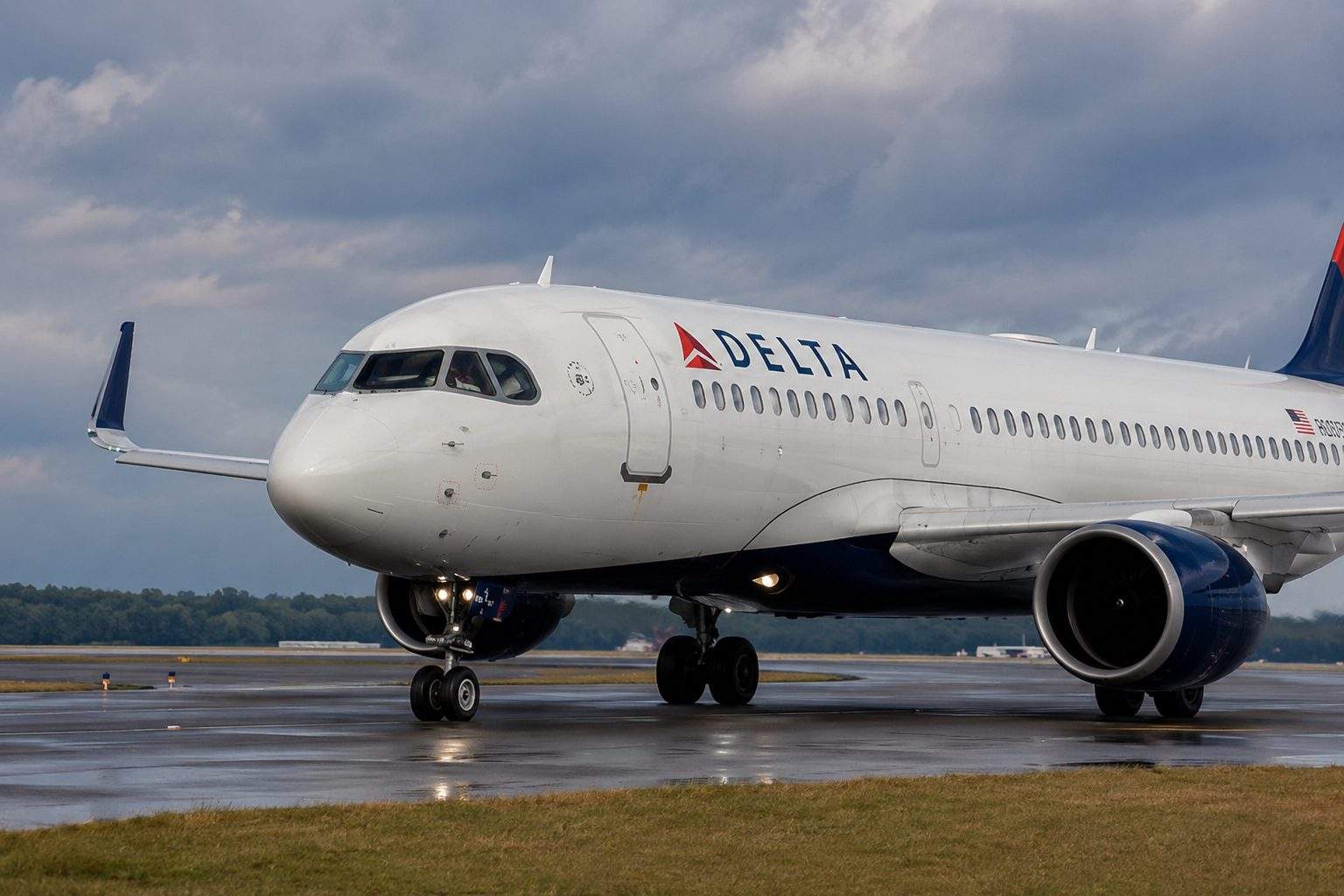
According to AirLive’s flight tracker, the Airbus A330-200 (tail number N854NW) departed Atlanta at 5:42 p.m. EDT on Saturday, climbed to 33,000 feet, and spent about three and a half hours heading east. The jet then reversed course and, after roughly seven hours and 48 minutes in the air, touched down back in Atlanta at 1:30 a.m. Sunday.
The crew turned the jet around and returned it to Delta’s Atlanta hub, bypassing other possible airports, according to The Daily Beast. Delta hasn’t said why Atlanta was selected.
Following the turnaround, DL54 was canceled, and the jet stayed put in Atlanta for inspections, reports show. Delta added that it supported customers booked on DL55, the Lagos-Atlanta leg, rebooking them on the next available flight.
Much of the passengers’ frustration came down to wasted hours and not knowing what would happen next. According to El País, several travelers voiced concerns over the lack of clear updates about new flights or lodging once they were back, with more than 200 people reportedly on board.
Delta still faces a big unknown: the root cause. Sure, the landing ended without incident, but questions linger—was it a mechanical snag, a crew timing slip, a fuel oversight, or something else operational? There’s also no word yet if post-flight inspections or shuffled crew rotas triggered more delays.
Delta’s direct Nigeria service took the hit—routes from Atlanta and New York-JFK to Lagos are part of its offerings. United, for its part, has its own Lagos-Washington flights in play, so the U.S.-Nigeria corridor isn’t just a one-airline carve-out. Instead, it’s turned into a competitive long-haul segment.
Delta’s public disclosures point to an operational snag rather than an accident: one long-haul flight scrubbed, the jet checked over, passengers rebooked. But confidence takes the bigger hit. For a route where fliers often have family or business on the line, an eight-hour airborne detour with no Lagos landing isn’t something people soon forget.