
WASHINGTON, May 14, 2026, 05:36 EDT
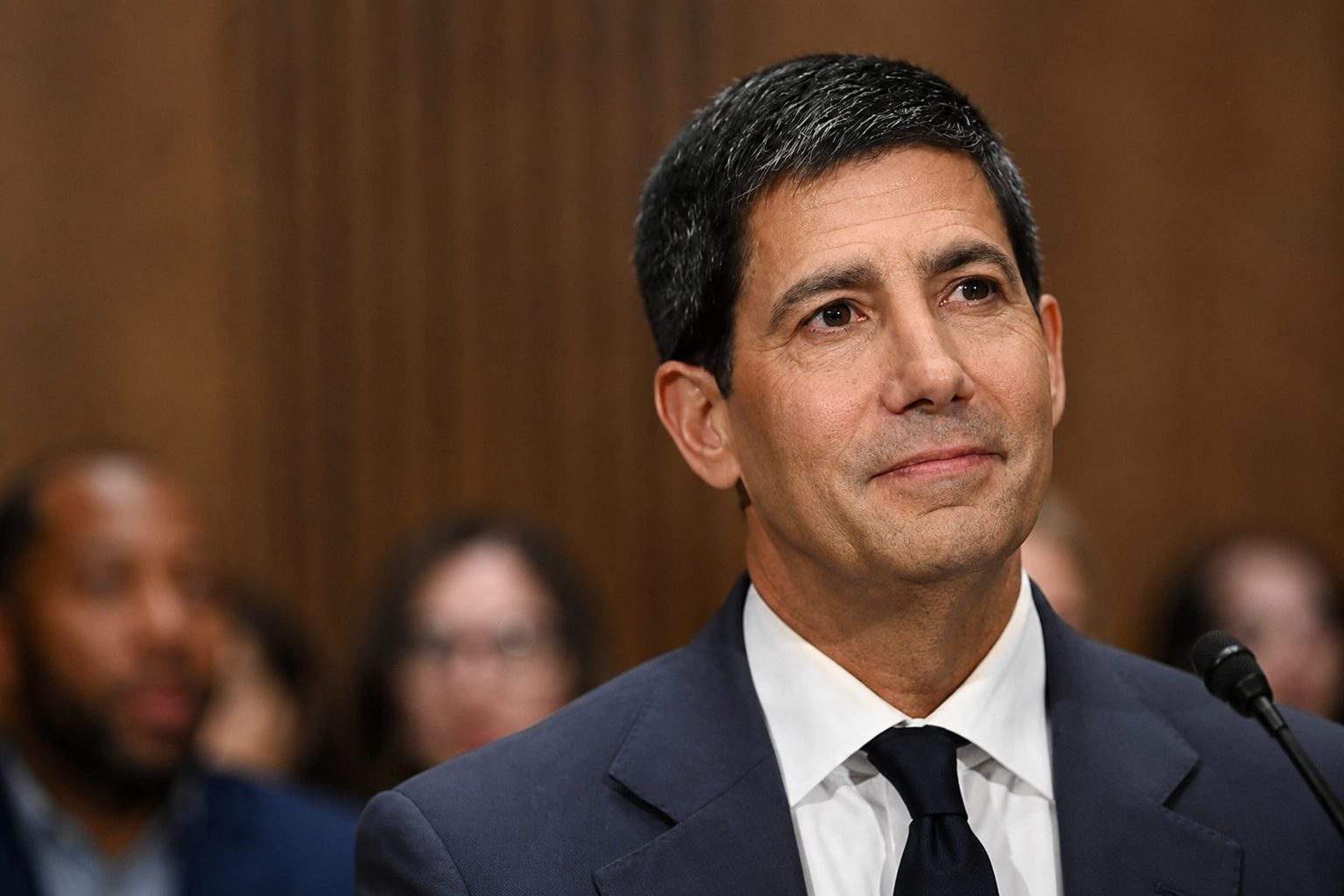
- Kevin Warsh cleared the Senate, winning confirmation as Federal Reserve chair with a 54-45 vote.
- New inflation numbers just complicated the case for any imminent Fed rate cuts.
- Prediction markets are now firmly backing no rate cuts in 2026.
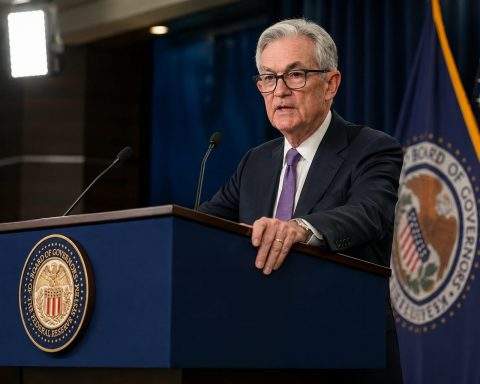
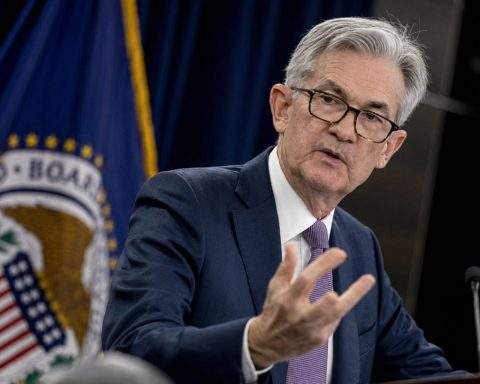
Kevin Warsh secured Senate approval to lead the Federal Reserve, handing President Donald Trump’s nominee the top seat as signs point to inflation heading in the wrong direction while bets on rate cuts lose momentum. Senators voted 54-45 to confirm Warsh for a four-year term as chair.
The clock matters here. Warsh is set to lead the Fed’s June 16-17 meeting, a session where officials must revise their interest-rate outlooks following two hotter-than-expected inflation prints and new pushback within the FOMC. Swearing-in is on hold, Reuters said, pending final White House paperwork. Powell’s term as chair wraps up Friday, but he’ll stay on as a Fed governor.
This is significant—the Fed’s got limited room to maneuver. April 29, it stuck with its 3.50%-3.75% target for the federal funds rate, flagged persistent inflation, and flagged geopolitical jitters swirling out of the Middle East. The federal funds rate, essentially what banks pay one another overnight, sets the tone for borrowing costs everywhere.
Since then, the numbers have complicated Warsh’s first meeting. According to the Labor Department, the Consumer Price Index climbed 3.8% in the year through April—energy costs surged 17.9% versus last year. CPI measures what households pay, and April’s data pointed to price pressure spilling from fuel into shelter, food, and services.
Wholesale inflation came in hotter than expected. The Producer Price Index jumped 1.4% in April, up 6.0% over the past year, the Labor Department reported. Services increased 1.2%, while goods prices advanced 2.0%—not just an oil story, a combination that complicates the Fed’s narrative.
Minneapolis Fed President Neel Kashkari, among those advocating for stronger language at April’s meeting, called the Fed “dead serious” about bringing down inflation. He pointed out that while a new chair does control the agenda, they’re still “one of 12 voters” when it comes to setting rates—so Warsh can’t just dictate lower rates. Reuters
Numbers are moving the markets around. On Kalshi, traders assigned a 70% probability to the Fed making zero rate cuts in 2026; Polymarket’s users went slightly higher at 71% for that outcome, with odds for a single 25-basis-point cut standing at 17%. For context, a basis point equals one-hundredth of a percent. On Polymarket’s June Fed call, the market was almost unanimous—98% priced in no change.
Warsh faces pressure on both the political and economic fronts. Trump’s decision to choose him, according to Reuters, came with the belief that Warsh would back lower rates. But recent gains in producer prices and consumer inflation have given more leverage to Fed officials pushing to hold rates steady—or possibly consider hikes.
Bond analysts are zeroing in on his opening comments. Ryan Swift, chief U.S. bond strategist at BCA Research, flagged that if Warsh talks rate cuts in a dovish tone, that spells trouble for bonds. Phil Blancato, Osaic’s chief market strategist, pointed out that Warsh could signal a Fed leaning harder on inflation, but with Powell still on the board, any sharp shifts might be tempered.
The Fed isn’t the only one under pressure. Over in Europe, ECB chief economist Philip Lane flagged that fallout from the Iran war’s oil shock could force rate hikes. And according to a Reuters poll, the Bank of England is still seen holding rates at 3.75% this year—though now, more economists are betting on at least one hike. No smooth easing cycle here; it’s a tug of war over energy-driven inflation.
April might just turn out to be a rough high point rather than the start of something bigger. Should oil prices back off and consumer inflation worries remain subdued, Warsh could make the case for holding steady, keeping rate cut options open. But if higher prices start bleeding into wages, rents, and profits, the Fed faces a tough call: it can either push back on Trump’s demands for looser policy or risk undermining its stance against inflation.
Related articles: Interest Rates