NEW YORK, May 27, 2026, 10:03 (EDT)
- Roundhill Memory ETF (DRAM) hit $10 billion in assets just 50 days after it started trading, the quickest anyone has done that.
- The fund is up along with Micron, Samsung and SK Hynix, with investors betting on the memory-chip shortage driving AI data centers.
- This trade is tightly packed, and filings for a 2x leveraged version show just how fast Wall Street is moving to package the theme.
Roundhill’s Memory ETF (DRAM) crossed $10 billion in assets in under two months after launching, breaking the previous record for the quickest ETF to reach that mark. Investors have rushed into memory-chip stocks on the artificial-intelligence theme. DRAM is up 87% since its April 2 launch and has brought in $8.6 billion of inflows, the Financial Times said, citing Morningstar data.
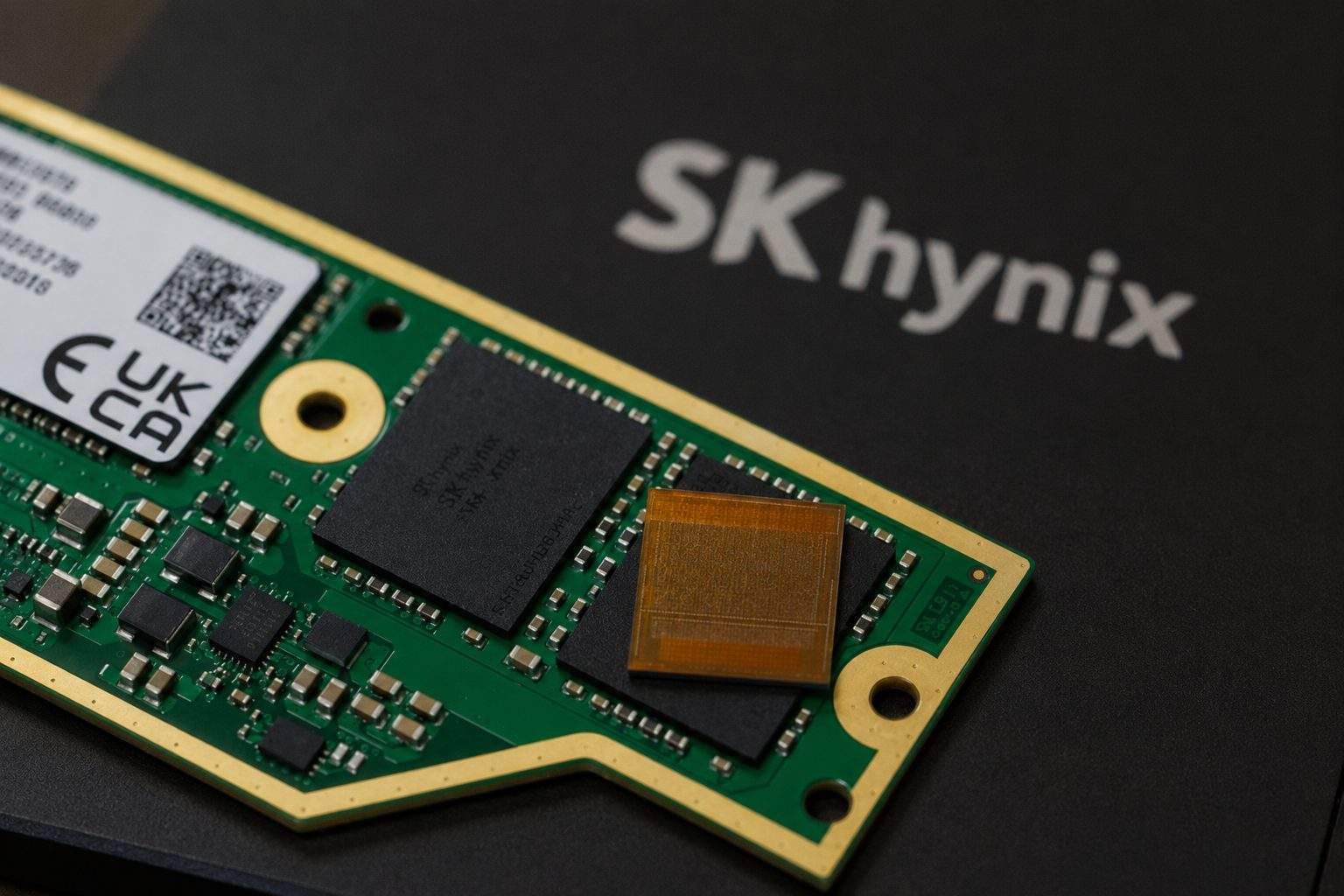
AI bets are shifting from big names like Nvidia toward hardware plays that power model training and deployment, making speed key. Micron briefly hit $1 trillion in market cap Tuesday. SK Hynix crossed the $1 trillion mark Wednesday, putting both alongside Samsung Electronics as rare trillion-dollar memory makers. Reuters
Memory chips handle data storage and movement in AI systems. High-bandwidth memory (HBM) is a faster type and often used with top AI processors. DRAM and NAND flash are other main types of memory and storage. Goldman Sachs Global Institute puts cumulative AI infrastructure spending at about $7.6 trillion from 2026 to 2031, and says much of the memory demand is already factored into projections for silicon spending.
Roundhill says its DRAM fund is the first ETF to target just memory stocks. The ETF is active, trades on Cboe BZX, and has a 0.65% expense ratio. It looks for exposure to companies in HBM, dynamic random-access memory, NAND flash and solid-state storage.
At launch, Samsung Electronics made up 24.99% of the portfolio, SK Hynix had 24.22%, and Micron was at 23.83%. There were smaller allocations to Kioxia, SanDisk, Western Digital, Seagate, Nanya Technology and Winbond. “Memory is moving to the center of the AI ecosystem,” Roundhill CEO Dave Mazza said at the time of launch. ETFGI LLP
DRAM’s asset growth beat out the iShares A.I. Innovation and Tech Active ETF, or BAI, which took 556 days to hit $10 billion, and the Fidelity Wise Origin Bitcoin Fund, which crossed that line in 81 days after spot bitcoin ETFs launched in 2024. “A textbook case” is how Nate Geraci, president of NovaDius Wealth Management, described DRAM, saying the ETF provider matched the ticker to the market at the right time. Financial Times
Micron’s rally is being driven by a new view of the memory cycle. UBS hiked its price target on Micron to $1,625 from $535, the top estimate out of 46 brokerages on LSEG, saying AI has shifted the basic setup for the memory market. “An exclamation point” on AI data center demand, said Art Hogan, chief market strategist at B. Riley Wealth, about Micron’s $1 trillion move. Reuters
SK Hynix ended Wednesday up 9.3% in South Korea, with its market cap at $1.12 trillion. Samsung also finished at a record. Kim Young-gun, analyst at Mirae Asset, said in a note that demand for memory chips should stay ahead of supply through 2028 and keep prices strong.
ETF issuers are moving fast to cash in. Themes ETF Trust has filed with the U.S. Securities and Exchange Commission this month for the Leverage Shares 2X Long Memory Daily ETF. The new fund would target 200% of DRAM’s daily returns and is meant for short-term trading.
Memory and storage ETFs are “launching in troves” as issuers race to join the rally, Fundstrat’s Hardika Singh wrote Tuesday. Singh flagged Micron, SanDisk, Seagate and Western Digital as some of this year’s strongest stocks, as a shortage of AI-ready memory has helped drive up the group. Fundstrat Direct
But the trade doesn’t offer real diversification. Nearly three-quarters of DRAM is in SK Hynix, Micron, and Samsung. The fund uses total return swaps to keep exposure and still meet diversification rules. Daniel Sotiroff, associate director for ETF passive strategies research at Morningstar, told the FT the surge in buying looked like the COVID-era rush into thematic ETFs, when many investors piled in near the top. The Motley Fool
AI data-center demand now faces a test: can it stay ahead of supply? If HBM, DRAM, or NAND capacity ramps up quicker than the market thought, things could move fast. The same close watch that pulled assets into DRAM could flip the other way, especially if leveraged products bring more short-term trading pressure to the fund.