NEW YORK, June 1, 2026, 16:01 (EDT)
Arista Networks shares closed up 7.65% at $171.68 on Monday, leaving the networking-equipment maker about 4.5% below its 52-week high, as investors chased another pocket of the artificial-intelligence infrastructure trade. The stock’s move added roughly $15 billion in market value on the day, based on the closing price and shares outstanding shown in market data.
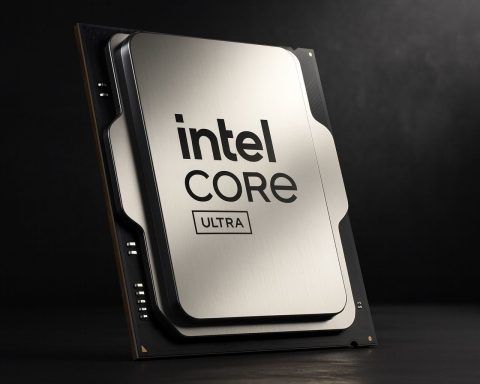
The move mattered now because it came on a day when the broader tape was already leaning toward technology. The S&P 500 gained 0.43% and the Nasdaq Composite rose 0.69%, while Nvidia jumped 5.8% after unveiling a new AI-focused PC chip, Reuters reported.
Arista sits in a narrow but important part of the AI buildout: the switches, routers and software that move data between servers inside large data centers. Ethernet, the common networking standard used to connect computers and servers, has become central to the debate over how AI clusters will be wired at scale.
The company gave investors fresh numbers to work with last month. Arista said first-quarter revenue rose 35.1% from a year earlier to $2.709 billion, with operating cash flow of $1.69 billion. Chief Executive Jayshree Ullal said Arista was “off to a strong start” and was positioned across campus, cloud and AI networking. Arista Networks
That is the bull case in one line: AI demand is pulling networking deeper into the center of the capital-spending cycle. Reuters reported in February that demand for Arista’s Ethernet switches and routers had risen as companies spent more on AI infrastructure, including large cloud customers such as Microsoft and Meta.
Investors have also focused on XPO, Arista’s high-density, liquid-cooled optics module. Optics are parts that help move data at high speed, often by using light instead of electrical signals. Arista said XPO can deliver 12.8 terabits per second per module and is aimed at AI networking fabrics — the web of links that lets many AI servers work together.
Rosenblatt Securities analyst Mike Genovese has been one of the louder voices behind that argument. In April, he upgraded Arista to buy and raised his price target to $180, writing that revenue growth could move “closer to 40%” in 2026 and 2027 if Arista holds share at Microsoft and Meta and gains ground at Google. Investors
The competitive frame is not quiet. Arista’s own annual filing names Cisco as the historic force in data-center and campus networking, and lists Nvidia among large rivals in markets that now include AI. Nvidia’s role matters because it sells not just chips, but networking gear and systems around those chips.
But the trade can still go wrong. Arista warned in its 2025 annual report that some key components come from sole or limited sources, that large purchases by a small number of customers make up a large part of revenue, and that supply shortages or extended lead times could hurt results. The company also said two customers each accounted for more than 10% of revenue in each of the last three years.
Margins are another pressure point. Gross margin — the share of sales left after production costs — can take a hit if memory, silicon or optics costs rise faster than Arista can pass them on. In its annual report, Arista said material scarcity and tighter memory supply had put pressure on gross margin, and that worse supply conditions or tariffs could add to that pressure.
The stock is now pricing in more than a clean quarter. It is pricing in continued AI data-center spending, more Ethernet adoption and Arista’s ability to ship into demand without giving up too much margin.
The next test is less about the slogan “AI” and more about orders, lead times and customer concentration. If large cloud buyers keep spending and XPO gains traction, Monday’s move may look like a reset. If supply tightens or one major customer pauses, the same concentration that lifted the stock can cut the other way.