
COPENHAGEN, June 8, 2026, 11:07 CEST
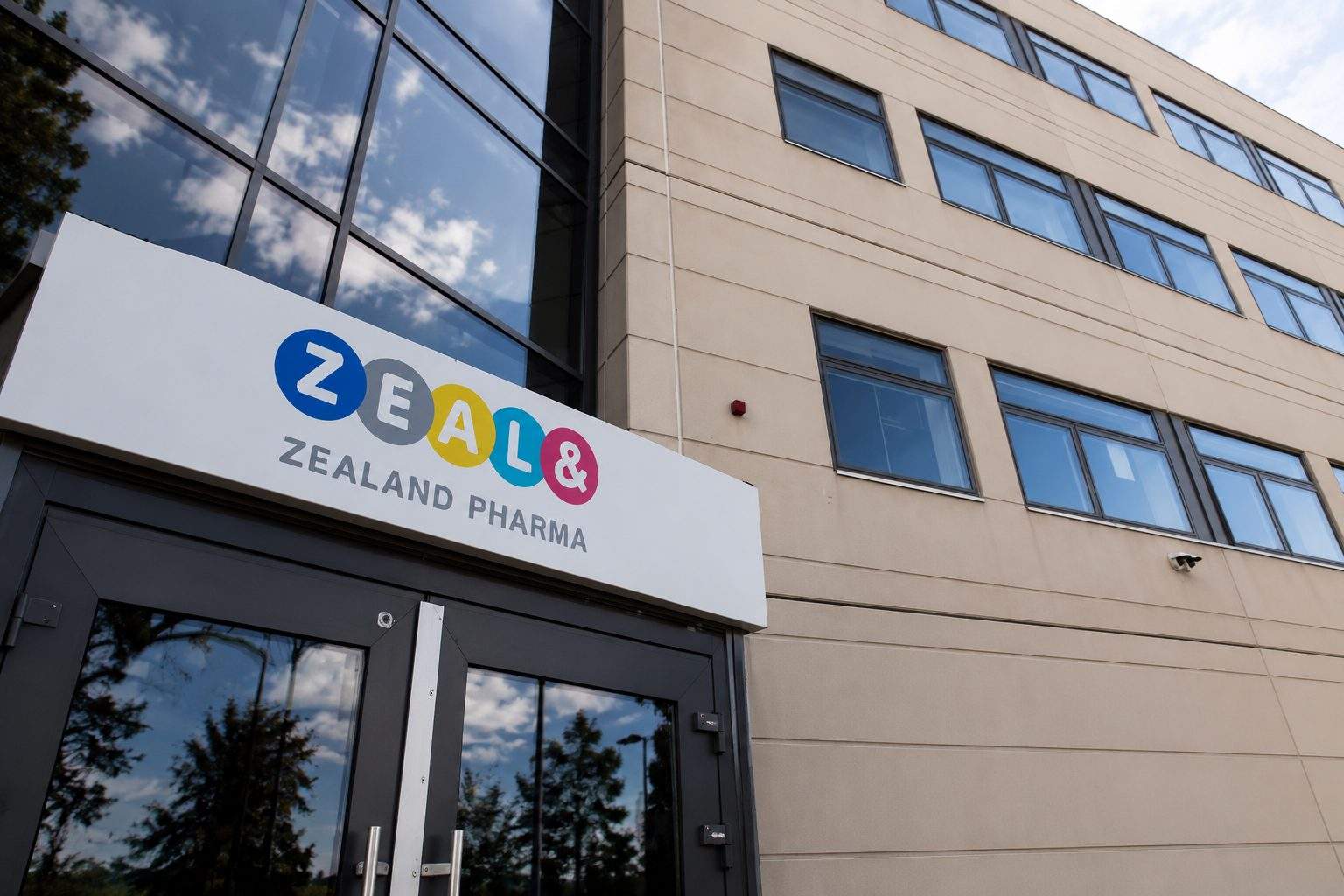
Zealand Pharma shares tumbled in Copenhagen on Monday. The drop followed investor worries over side effects tied to Boehringer Ingelheim’s survodutide, which offset hope around the drug’s fat-loss results. Zealand’s investor page listed the shares at 241.40 Danish crowns, off 26.02%. Reuters said the stock led declines on Europe’s STOXX 600 early in the session.
The timing was key. Copenhagen’s stock market was open, trading on Nasdaq ran its usual 09:00 to 17:00 hours. The exchange calendar had June 5, Denmark’s Constitution Day, listed as a holiday, but not June 8. Monday was the first regular session for the market to react to the Sunday updates out of the American Diabetes Association meeting.
Survodutide, licensed from Zealand to Boehringer, is a once-weekly injectable. Zealand reported that in the SYNCHRONIZE-1 trial, 19% of patients on survodutide quit due to stomach and gut side effects like nausea, vomiting, diarrhoea and constipation. The figure for placebo was 2.9%. Discontinuation rates give a rough count of how many stopped the drug.
Survodutide wasn’t an outright flop. Zealand reported weight loss of up to 16.6% after 76 weeks, with visceral fat dropping by as much as 34% and liver fat by 63.1% in its pre-specified readout. Lean mass loss at the top dose totaled 10.8% of tissue-mass change, so most weight lost was fat, not muscle.
Obesity drug investors are now more selective. The market is sizing up every new drug against Novo Nordisk’s Wegovy and Eli Lilly’s Zepbound, which are the standards. Analysts told Reuters that survodutide’s drop-out rate looked higher than rivals’ rates in trials, an issue in a space where patients need to stay on treatment.
Boehringer wants the drug assessed on benefits beyond weight loss. Shashank Deshpande, head of Boehringer’s human medicines, told Reuters he thinks survodutide could turn into an “important new option at the intersection of obesity and liver disease.” Reuters
Zealand executives made the same pitch. Chief Medical Officer David Kendall said the field had to “move beyond blunt force weight reduction.” Lee Kaplan, who runs the SYNCHRONIZE programme executive committee, called glucagon/GLP-1 dual agonism a “promising approach” for obesity and related liver disease. GlobeNewswire
The focus for companies is tighter here. GLP-1 is a hormone pathway used by big weight-loss drugs to blunt appetite. Survodutide also hits glucagon, adding another pathway that developers want for possible liver-fat and metabolic benefits. Boehringer licensed survodutide from Zealand and is developing and selling it; Zealand gets royalties from global sales, as Reuters reported.
Zealand stands to gain financially. The company said it will get royalties in the high single-digit to low double-digit percent range on global sales of survodutide, along with up to 315 million euros in milestones still outstanding. Boehringer is handling all global development and commercialisation.
Doctors, patients or regulators could decide the dropout rate for Boehringer’s survodutide is too high, posing a risk that fat-loss and liver-fat reductions won’t be enough to balance tolerability worries. That would mean Boehringer has to slow dose escalation or change dosing, which could hit Zealand’s future royalty stream by delaying or cutting payments. Survodutide is still investigational and not yet approved for use, the company said.
Monday’s stock action left a clear message. Investors aren’t denying the drug works. They’re unsure enough patients will keep taking it.