AMSTERDAM, June 10, 2026, 10:19 CEST
- ASML shares slipped a bit on Euronext Amsterdam. The stock had jumped earlier this week with the AI rally.
- Investors are watching Elon Musk’s Terafab tie-up to see if it drives real ASML tool demand.
- ASML’s Q2 numbers land July 15. Orders, margins, and any talk on export controls will draw more focus than anything from conference headlines.
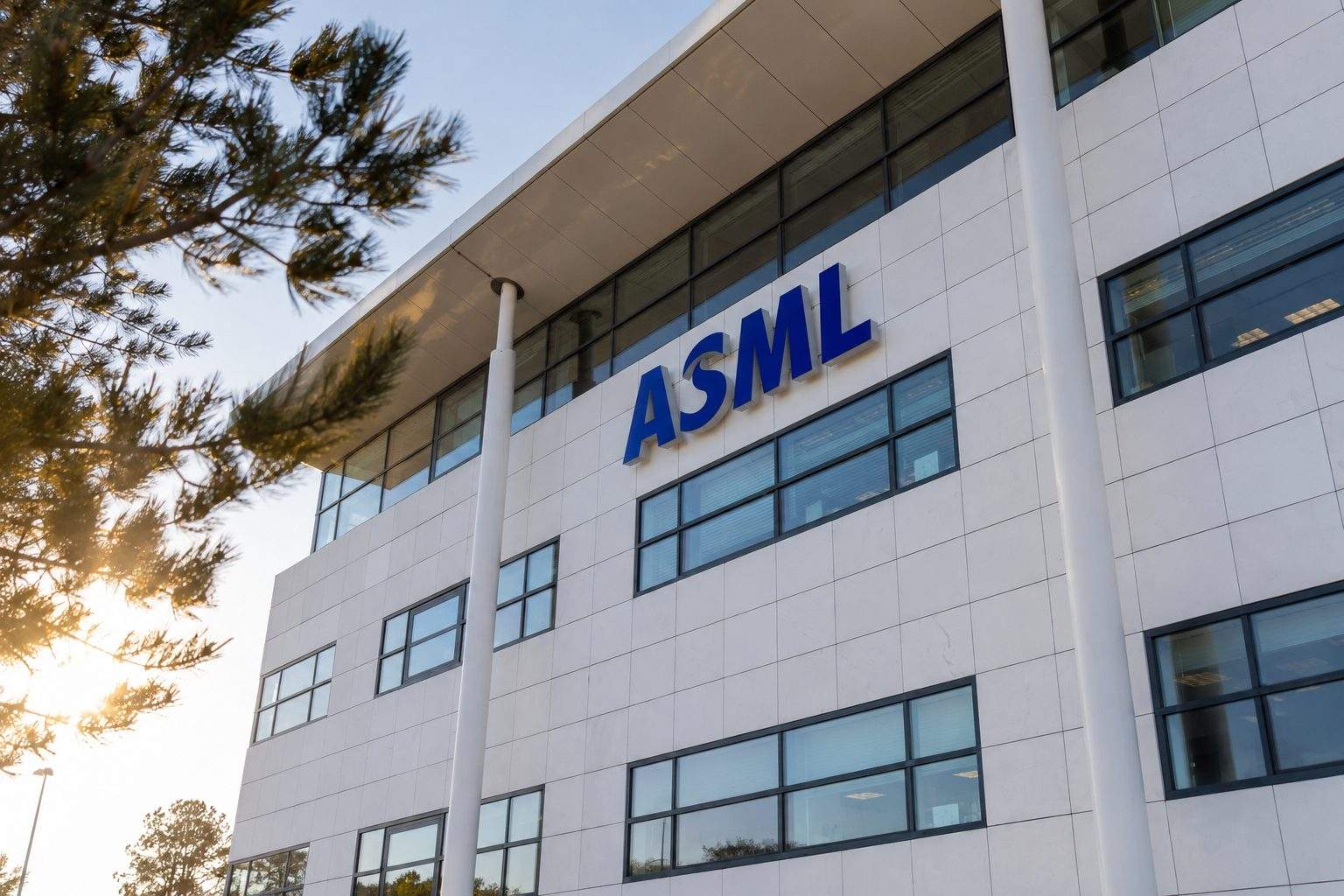
ASML Holding NV slipped in Amsterdam on Wednesday, down 0.44% at €1,501.80. That’s after the stock surged 3.58% Monday and then gave back 0.41% Tuesday. Shares cooled with investors questioning if the fresh Terafab buzz will convert into real orders for ASML’s AI chipmaking equipment.
ASML’s stock move is minor, but the setup is different. Most of the company’s ordinary shares trade on Euronext Amsterdam, making Amsterdam the best indicator for its European listing, though shares also list on Nasdaq in New York. The stock has climbed about 63% this year, MarketScreener’s Euronext data shows. There isn’t much of a buffer if AI-related orders start to slow.
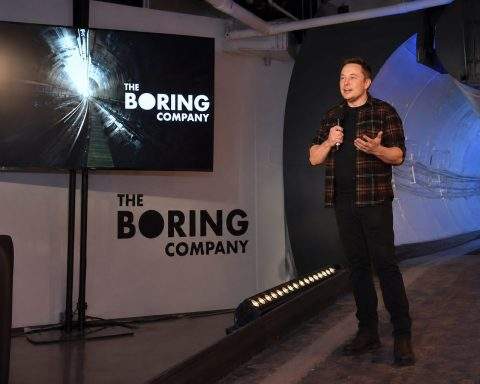
Elon Musk praised Dutch chip equipment giant ASML on X, calling it “arguably the greatest company in Europe” and saying ASML “should be treasured and supported.” ASML later told NL Times it had asked Musk to speak remotely at an internal tech event, tying the invite to its Terafab project, which the company said is relevant to the semiconductor sector. X (formerly Twitter)
Shareholders care because ASML is positioned at a tight spot in the AI supply chain. The company’s extreme ultraviolet lithography systems—EUV machines—rely on very short-wavelength light to make fine chip patterns on silicon. ASML claims this tech is unique and powers the most advanced microchips, including those used in AI.
Bullish analyst calls are in play for ASML. Investing.com says BofA upped its target on the stock to €1,921 from €1,710. JPMorgan went to €1,900 from €1,515. Morgan Stanley raised its price goal too, to €1,660 from €1,400. The banks pointed to EUV capacity and shipment confidence in their moves.
ASML is already priced for a lot of growth. In April, the company raised its 2026 revenue target to €36 billion to €40 billion. It also projected a full-year gross margin between 51% and 53%. Gross margin, the share of revenue after production costs, is key here—small moves make a difference for a stock with that kind of multiple.
ASML CEO Christophe Fouquet told investors in the Q1 update: “Demand for chips is outpacing supply.” Fouquet noted that customers are speeding up plans to add more capacity for 2026 and later. So the stock tends to jump any time there’s talk of new fabs needing more EUV machines. ASML
Customer demand looks strong, but issues remain. TSMC CEO C.C. Wei told Reuters last week demand was very high and the company was working to avoid becoming a supply bottleneck. But Wei also noted that while TSMC has purchased ASML’s High-NA EUV tools, it doesn’t need them in its factories yet due to high costs. High-NA, or high numerical aperture, is a sharper EUV optics tech for next-generation chips.
That’s why today’s small drop is more than just traders cashing in gains. ASML has seen its market cap go over €580 billion as chipmakers pay for its hard-to-get tools and capacity stories drive demand. But with the stock up 8% for the month and 119% in a year, investors aren’t sticking around for delays, missed bookings or any slip in margins.
Risk is up front. Terafab could end up as just headlines, not real orders. High-NA could also go slower if buyers balk at prices, and export controls might still hit some of ASML’s market. ASML said its 2026 outlook builds in possible effects from export-control talks, saying policy can still hit the AI capex trend.
Musk’s planned appearance has stirred some issues for ASML, with NL Times reporting staff pushback following his invitation. ASML told NL Times the event is only for employees and focused on sharing updates and research. That keeps it as a sentiment driver, not a disclosure event for investors.
ASML has its Q2 2026 numbers due July 15, according to the financial calendar. The big question this time: Will the boost from higher EUV orders, better shipments and sticky AI-related demand make it into the actual results, or stay as talk from recent calls?