
New York, June 10, 2026, 16:35 ET
- The Dow Jones Industrial Average dropped 1.68% to 50,019.15, erasing all of Tuesday’s gain.
- May CPI came in up 4.2% year over year as energy prices surged 23.5%. Investors watched the numbers closely.
- Oil prices moved higher as U.S.-Iran tensions resurfaced, putting more pressure on AI and tech stocks that were already under strain.
Dow drops after hours as stocks take hit from inflation data, oil spike
The Dow Jones Industrial Average closed at 50,019.15, falling 1.68% after Tuesday’s 50,872.11 finish. After the bell, traders saw the new inflation numbers and a jump in oil prices as a threat to recent gains in the blue-chip index.
It wasn’t only the loss. Wednesday’s jump put doubts on whether inflation is cooling off. The Consumer Price Index, which tracks what households pay for goods and services, increased 4.2% for the year ended in May, up from 3.8% in April, data from the Bureau of Labor Statistics showed.
Energy kept the pressure on. According to the BLS, the energy index climbed 23.5% over the last year, and gasoline prices jumped 40.5%. Core CPI, which leaves out food and energy, was up 2.9% for the year and 0.2% in May. Investors took the numbers as a mixed signal: inflation is showing up in headline figures, but it hasn’t fully moved into every part of consumer prices.
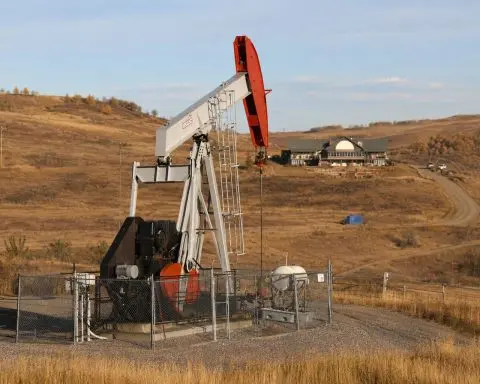
Oil pushed inflation back onto traders’ screens. Brent crude ended up after President Donald Trump threatened Iran with new action. U.S. crude stocks dropped by 7.2 million barrels in the week to June 5, Reuters said—a sharper fall than analysts had forecast.
That’s a risk for the Dow. Rising oil acts like a tax, cutting into budgets for both businesses and households. Transportation, manufacturers and everyday spending take the hit first. When investors think higher costs are here to stay, they usually sell stocks most exposed to shifting spending, more expensive credit or squeezed margins.
The Dow is price-weighted, so higher-priced stocks move the index more than cheaper ones. S&P Dow Jones Indices calls the Dow a price-weighted group of 30 U.S. blue-chip stocks. S&P Global That setup lets swings in a handful of the expensive names hit the main index number fast.
Tech losses weighed on the market. Reuters reported chip stocks kept falling, with Nvidia and Broadcom pulling the S&P 500 lower. Super Micro Computer dropped after it said it wants to raise $7 billion in equity and equity-linked deals.
AI-driven stocks have powered much of the market’s gains this year. But on Wednesday, doubts about valuations led to selling in a handful of heavily owned names. That selling pressure spilled over to other risk assets, even though the Dow, which is less tech-focused than the Nasdaq, didn’t have as much direct exposure.
Rates stayed in focus. Reuters cited Tom Hainlin, investment strategist at U.S. Bank Wealth Management, who said investors were “pricing in maybe a higher interest rate” after recent data and had concerns about the war. Reuters also said the market was now pricing in at least one 25-basis-point Fed rate hike by year-end. Reuters
Fed officials meet June 16–17 for their next policy decision, which will come with a new Summary of Economic Projections covering growth, inflation, and interest rates. Federal Reserve That puts extra focus on Wednesday’s CPI numbers—one of the final inflation releases before the meeting.
But there was a counterpoint. Core CPI for the month slowed to 0.2% from April’s 0.4%, with core goods falling 0.1% in May, the BLS said. Bureau of Labor Statistics Energy staying steady could make it easier to prevent the inflation scare from spreading further into prices.
Traders may be too quick to look past the chance that the oil shock sticks around. If the U.S.-Iran standoff keeps crude high, inflation could stay hot, the Fed could get less dovish, and pricey AI names might catch more selling. Calmer oil would ease pressure, but the Dow steps into next week’s Fed decision with inflation, energy and rates all in focus again.
Related articles: Oil Prices