
NEW YORK, June 17, 2026, 19:02 EDT
- Southwest is aiming to shift most of its on-premises systems to cloud-based, AI-enabled infrastructure on Amazon Web Services by 2028.
- The push comes as the carrier works to get its commercial overhaul off the ground, moving to assigned seats, charging bag fees and rolling out more premium products.
- The project gives Southwest a tighter timeline for tech upgrades, which have been key to its recovery from earlier operating failures.
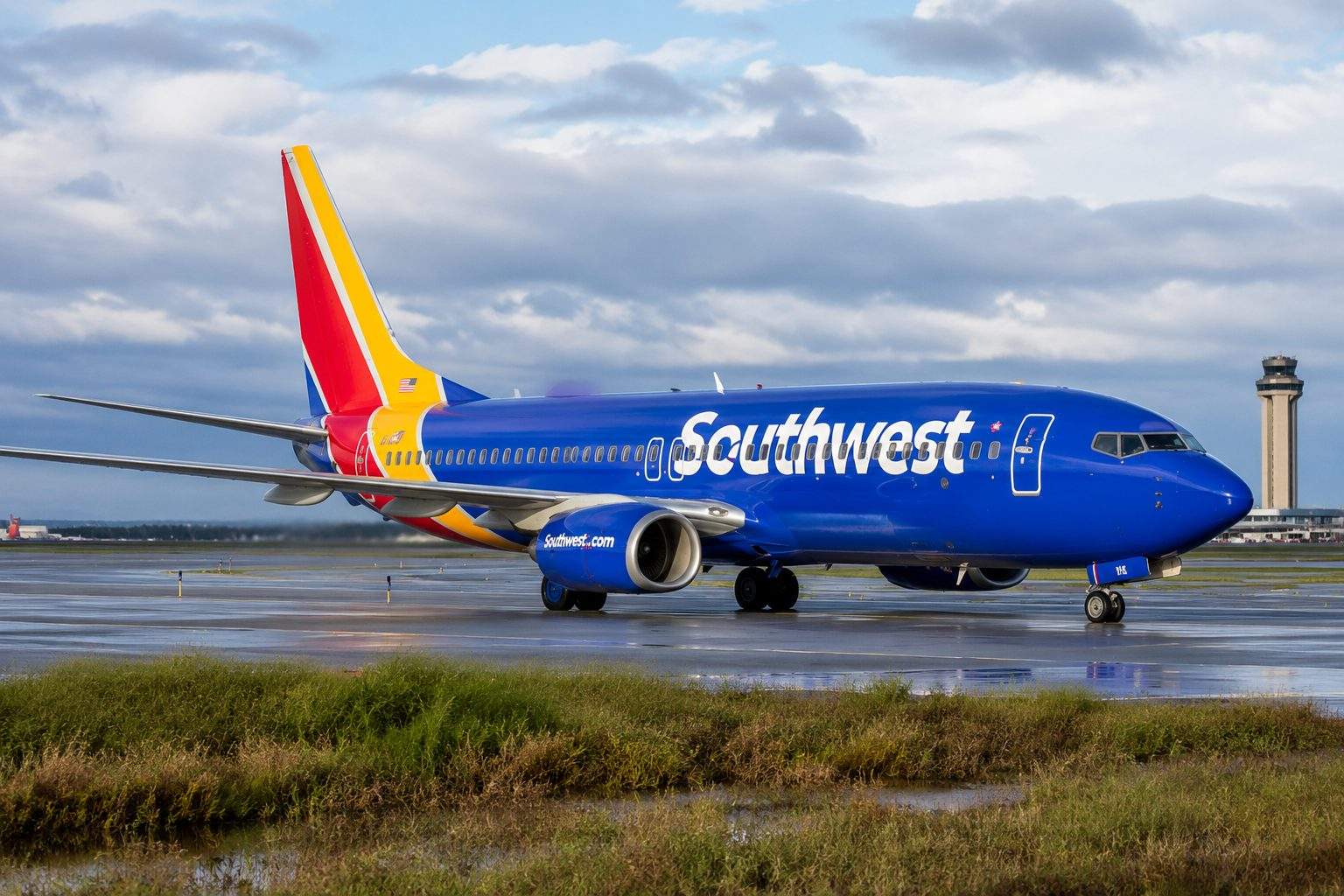
Southwest Airlines said Wednesday it plans to expand work with Amazon Web Services and shift to a cloud and AI-enabled operating model by 2028. The company is still working to overhaul its business after years of reliability and return issues.
Southwest Airlines, based in Dallas, said it picked AWS as its preferred cloud provider as the carrier tries to update systems used for ticket sales, operations and its 70,000-plus workers. The move comes as Southwest’s new commercial model needs systems that manage more complicated seating, loyalty, pricing and customer service—capabilities the airline’s old open-seating, point-to-point model didn’t require.
There’s also a question of whether Southwest can use its tech investments to actually stabilize its operations. U.S. regulators hit the airline with a $140 million fine after the 2022 holiday mess, which caused 16,900 flights to be canceled and left around 2 million passengers stuck, Reuters reported then.
Southwest said it plans to use AWS tools like Amazon Quick and Kiro to update Southwest.com, which is a main site for customers. AWS lists Kiro as an agentic coding service. “Agentic AI” means AI that can pursue goals on its own, but AWS notes that some steps may still need a human check. Amazon Web Services, Inc.
Amazon said over 2,700 Southwest developers are working with Kiro to build out features, automate tests, and set up cloud infrastructure. Southwest is rolling out what AWS describes as an AI-driven development cycle, where agents handle software tasks and engineers steer and check the results.
Lauren Woods, Southwest executive vice president and CIO, said using the same performance and reliability push on technology with AWS is “a core part” of the airline’s plan. Swami Sivasubramanian, AWS VP for agentic AI, said Southwest is rolling out AI agents in customer support, operations and software building. TravelPulse
Southwest and AWS have been working together before this latest cloud push. In 2023, AWS announced Southwest would tap its cloud tech for fare searches, tools for customers, data analytics, gate and ground operations, flight operations and plane maintenance.
Southwest’s technology overhaul is tied to a bigger strategy shift. The carrier has started to drop things like open seating and free checked bags for all, putting it more in line with Delta Air Lines, United Airlines, and American Airlines. Those rivals have relied on premium seats and extra fees to drive up revenue.
Southwest is already seeing the shift in its numbers. The carrier reported first-quarter operating revenue of $7.2 billion, up 12.8%. About 60% of passengers picked an upgrade from the base product, compared with roughly 20% in 2025. Assigned seating and extra-legroom seats were introduced Jan. 27, 2026.
Risks are in play. The 2028 migration goal could face setbacks, and the company’s AI systems sitting in software and day-to-day operations still lack strong checks, testing, and who owns what. The planned business changes carry risk too. When Southwest shifted to bag fees, Raymond James analyst Savanthi Syth told Reuters, “We were not supporters of bag fees,” and Delta President Glen Hauenstein said there might be a shot at picking up some Southwest customers. Reuters
Southwest shares slipped 1.6% to $46.66 and Amazon lost 3.5% at $237.50 in after-hours trading late Wednesday, market data showed. Investors did not see the announcement as a straightforward catalyst.
Related articles: NASDAQ:AMZN