
NEW YORK, June 24, 2026, 04:28 EDT
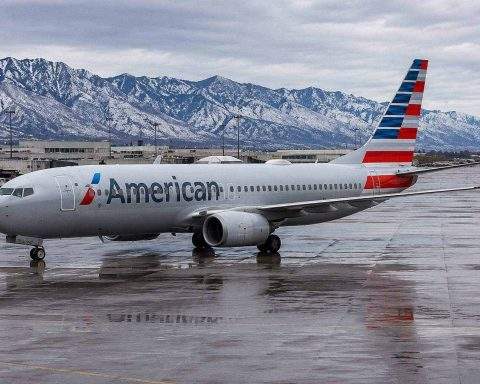
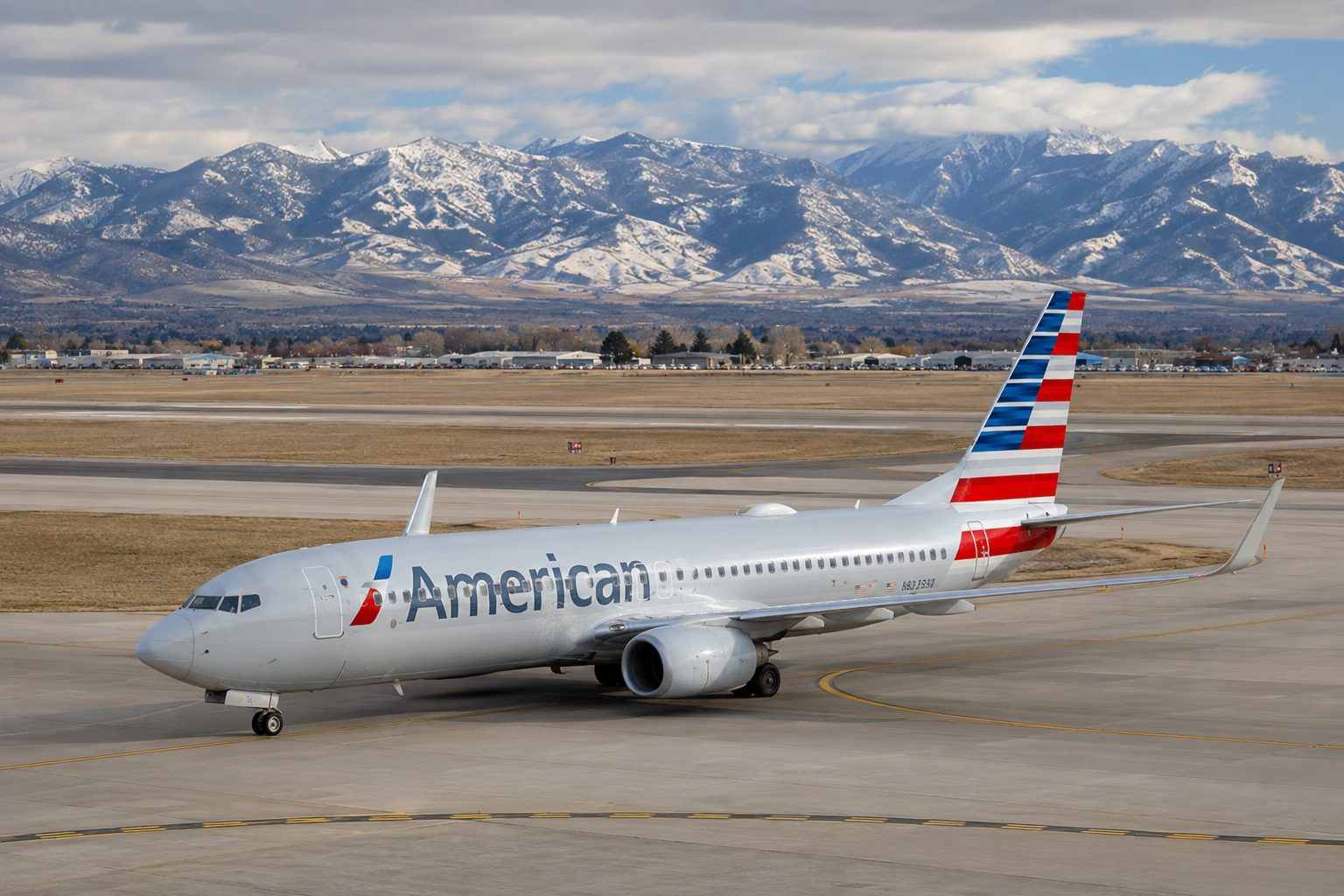
- American Airlines traded at $16.14 before the U.S. regular session. The stock saw a smaller move Tuesday than United, Delta, and Southwest.
- UBS set a new price target of $21 for AAL. The average target from analysts on Google Finance is $16.10, which is just under the most recent price.
- The stock’s case now depends on lower jet fuel prices showing up in raised earnings guidance, not just in reduced costs.
American Airlines Group shares traded at $16.14 before the open in New York on Wednesday. Nasdaq is set to start the regular session at 9:30 a.m. EDT. June 24 is listed as a normal trading day for Nasdaq, with the next U.S. market holiday set for July 3, Independence Day observed.
The stock has lagged during a mostly strong run for airline shares. American closed up 0.37% on Tuesday. United Airlines jumped 2.42%, Southwest rose 1.73%, and Delta edged up 0.93%. The S&P 500 dropped 1.44% for the day. The NYSE Arca Airline Index finished up 0.46% at 75.93.
Airline stocks climbed Monday and Tuesday, with American up about 0.9% on closing prices. Delta, United and Southwest each rose between 2.7% and 3.0% for the period. Investors seem positive about lower fuel prices for carriers but aren’t bidding up American as much as the others with stronger profits.
UBS upped its price target for American Airlines to $21 from $18 on Tuesday and kept its Buy call. The firm now sees Q3 EPS at 54 cents, well ahead of the Street, which expects a 12-cent loss. For 2026, UBS has EPS at 84 cents, beating the consensus for a penny. Google Finance names Atul Maheswari as the analyst for UBS’s $21 target. Over at Bank of America, Andrew Didora stayed at Hold with a $16 price target as of June 22.
Why does the split matter? American is almost at the average sell-side target now. Google Finance’s average target is $16.10, and the stock just traded at $16.14. There’s not much left for a target catch-up unless analysts raise their numbers. Morgan Stanley has a $24 target, UBS is at $21, but Wells Fargo is down at $12 and Jefferies is at $15.
Fuel is at the center of the latest debate. On June 22, Reuters said U.S. jet fuel spot prices dropped to $2.85 a gallon on June 17, down from $4.88 in early April. Jefferies figures show every 5% move down from its near $3-a-gallon 2027 fuel call could raise EPS 10%-15% for Delta, Southwest, and United, and close to 50% for American. Melius Research’s Conor Cunningham called “the ability to hold price” key. United CEO Scott Kirby said United is “on a path” to cover fuel costs by year-end. Reuters
American’s own targets point to why the stock trades with more volatility. In April, it said it expected jet fuel costs near $4.00 a gallon for the second quarter and guided for 2026 adjusted EPS anywhere from a 40-cent loss up to a $1.10 profit. The company also called for second-quarter revenue to rise 13.5% to 16.5%, and projected available seat miles to gain 4% to 6%.
American Airlines (CEO Robert Isom) is still banking on demand. Isom told the Bernstein investor conference in May that the airline is “not making any changes” to its forecast, even with $4 billion to $5 billion in higher fuel costs this year. He said demand was clearly split by income, but pointed out the carrier was about 80% booked for the second quarter, corporate travel was up 13% year over year and American still aimed to “repeat the profitability” it posted last year. Reuters
Valuation is tougher to parse than the share price. American is valued at around $10.7 billion, well under Delta at $57.0 billion and United at $39.5 billion. But American trades at a trailing price-to-earnings ratio near 52, compared with 12.7 for Delta and 10.9 for United. The market is not paying up for steady profits here—it’s pricing in hopes for an earnings bounce from a low starting point.
American faces a risk if fuel bounces back, fares drop, or capacity gets too high. Unlike Delta and United, the airline has less earnings flexibility. The stock trades close to where analysts expect. Investors want stronger guidance, not just lower fuel costs.
Related articles: NASDAQ:AAL