
Washington, July 2, 2026, 09:12 (EDT)
- U.S. payrolls were up by 57,000 in June, missing the 110,000 increase economists in a Reuters poll had expected.
- Unemployment slipped to 4.2% but the labor force shrank by 720,000.
- Leisure and hospitality lost 61,000 jobs, a drop larger than the overall increase in payrolls.
- Futures climbed ahead of the open as traders saw less chance of another Fed hike.
June’s U.S. jobs numbers were soft on the surface, but some market action might be in the details. Labor supply dropped sharply and leisure hiring slowed down. Headline payroll growth came in under the BLS’s unofficial bar for a solid monthly read.
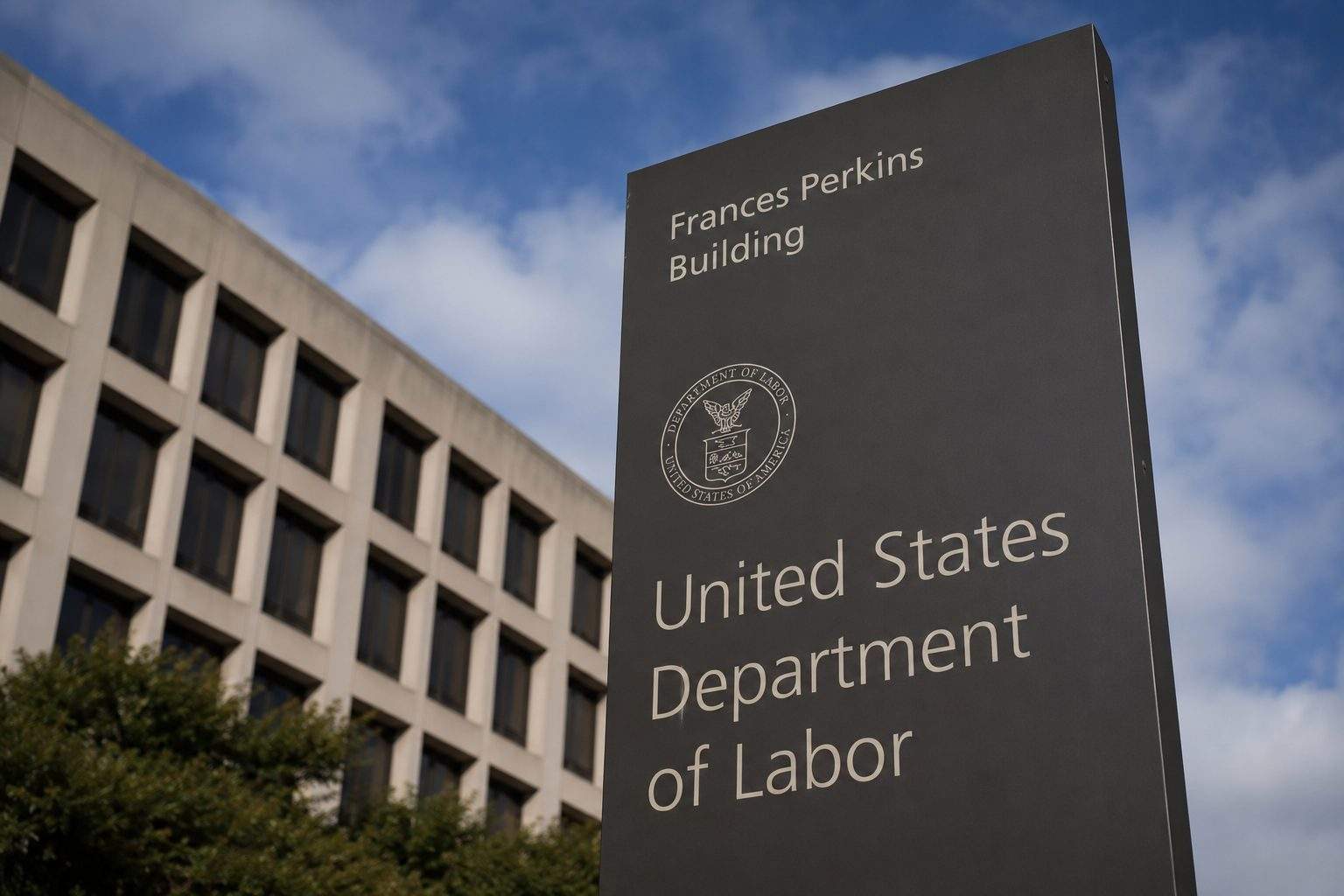
Nonfarm payrolls increased by 57,000 in June, the Labor Department reported. Revisions showed April and May were lower by a net 74,000. May’s figure dropped to 129,000 from 172,000. Reuters had forecast 110,000 jobs. The jobless rate ticked down to 4.2% from 4.3%.
Investors are watching rate markets after a weaker jobs number, but the household survey shows a smaller labor force, not hiring strength. As of 8:40 a.m. ET, Dow E-minis traded up 0.40%. S&P 500 E-minis added 0.37%. Nasdaq 100 E-minis rose 0.58%. LSEG numbers via Reuters put chances of at least one Fed rate hike this year at 75.6%, down from about 84% before the release.
| June labor read | May 2026 | June 2026 | Change | Investor read |
|---|---|---|---|---|
| Nonfarm payrolls | +129,000 | +57,000 | -72,000 | Weak number |
| Labor force | 170.078 mln | 169.358 mln | -720,000 | Drop in supply |
| Employed, household survey | 162.771 mln | 162.264 mln | -507,000 | No hiring spike |
| Unemployed | 7.307 mln | 7.094 mln | -213,000 | Unemployment down |
| Participation rate | 61.8% | 61.5% | -0.3 ppt | Fewer in workforce |
| Aggregate weekly payrolls index | 209.3 | 210.1 | +0.4% | Wages rising |
The unemployment rate dipped, BLS data show, but household employment fell by 507,000. The report also lists 832,000 more people now outside the labor force. BLS says month-to-month, a payroll gain or loss of around 122,000 jobs marks a meaningful change—June’s increase came in at less than half that.
| Sector payroll swing | May change | June change | June minus May |
|---|---|---|---|
| Total nonfarm | Payrolls rose 129,000 | Up 57,000 | Down 72,000 |
| Total private | Private jobs up 97,000 | Rose 49,000 | Down 48,000 |
| Professional and business services | Added 11,000 | Gained 36,000 | Jumped 25,000 |
| Private education and health services | Grew 45,000 | Up by 69,000 | Up 24,000 |
| Retail trade | Up 8,200 | Dropped 7,500 | Down 15,700 |
| Information | Down 4,000 | Lost 9,000 | Off 5,000 |
| Leisure and hospitality | Up 40,000 | Fell 61,000 | Down 101,000 |
Leisure and hospitality was the miss. The sector shed 61,000 jobs in June, a bigger drop than the gains for the rest of the economy. Without that group, payrolls increased by 118,000, which was near consensus before the data. The BLS pointed to “weaker than usual seasonal hiring” in leisure. Bureau of Labor Statistics
Automatic Data Processing NASDAQ:ADP pointed to the same split just a day before. The company reported private employers added 98,000 jobs in June, while pay jumped 4.4% from last year. “For now, the overall effect is a slowdown in job creation,” said Nela Richardson, ADP’s chief economist. ADP Media Center
Consumers were already pulling back. The Conference Board’s June confidence index rose just a bit, to 91.2, but its labor market differential dropped to 2.4 points. About 22.5% of people said jobs were hard to find, the biggest share since January 2021. “Perceptions of the current labor market softened measurably,” said Dana Peterson, chief economist at the group. The Conference Board
JOLTS numbers out Tuesday painted a mixed picture for the jobs report. Job openings in May climbed to 7.594 million, but hiring slipped for a second straight month. “The labor market continues to show signs of stabilization,” said Matthew Martin, senior U.S. economist at Oxford Economics. Samuel Tombs at Pantheon Macroeconomics said the JOLTS response rate had dropped enough to bring in “the potential for non-response bias.” Reuters
The report leaves the Fed in wait-and-see mode. Kay Haigh at Goldman Sachs Group NYSE:GS Asset Management said “a path for the Fed to stay on hold for the rest of the year” is still possible, but warned that surprise inflation could push a hike earlier. Barclays LON:BARC Private Bank’s Julien Lafargue, speaking before the release, said markets care more about the June CPI—due July 14, which he sees as a clearer read on the economy. Reuters
Average hourly earnings climbed 0.3% to $37.64 in June, according to the BLS, and rose 3.5% year over year. The average workweek stayed flat at 34.3 hours. The next jobs report comes August 7, with the BLS set to put out its preliminary payroll benchmark revision estimate August 28.
Related articles: NYSE:GS