NEW YORK, July 26, 2026, 13:08 EDT — U.S. cash equity markets closed.
- United rose $2.90 on Friday, outpacing its $2.86 increase for the entire week.
- UAL is trading at 11.8 times the midpoint of its $9 to $11 adjusted EPS guidance.
- Brent dropped 3.9% on Friday; however, supply risks persisted due to attacks over the weekend.
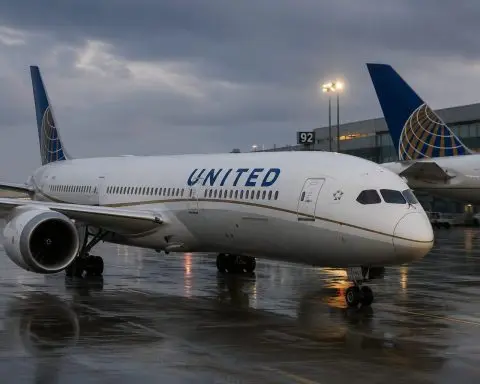
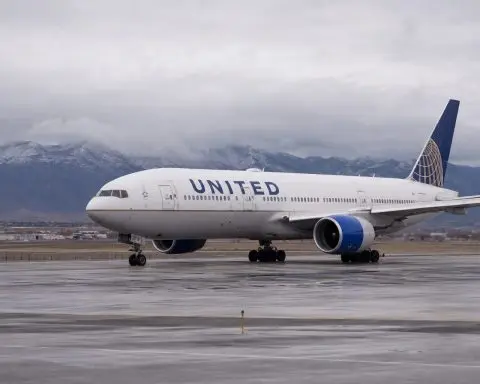
United Airlines NASDAQ:UAL ended Friday at $118.27, rising 2.5%. Despite this, the company’s valuation does not reflect a definitive premium for an increased earnings floor.
The single-day increase shows the short-term picture. Friday’s advance of $2.90 exceeded the stock’s total weekly gain.
United slipped a few cents by Thursday. On Friday, shares in Delta and American advanced as Brent prices fell, indicating a trade on potential fuel cost relief.
United increased the lower end of its 2026 adjusted EPS forecast by $2, setting the updated range at $9 to $11. This comes even as the company anticipates nearly $6 billion in additional fuel costs.
United ended Friday with a trading multiple of 11.8 times the $10 midpoint, just under the figures for Delta and Southwest using the same metric.
| Carrier | Friday close / move | 2026 adjusted EPS guidance | Price / midpoint |
|---|---|---|---|
| United Airlines | $118.27 / +2.5% | $9.00–$11.00 | 11.8x |
| Delta Air Lines NYSE:DAL | $85.06 / +3.8% | $6.50–$7.50 | 12.2x |
| Southwest Airlines NYSE:LUV | $45.08 / +0.8% | $3.25–$4.25 | 12.0x |
| American Airlines NASDAQ:AAL | $14.48 / +6.8% | Loss between $0.65 and profit of $0.65 | N/M |
Friday’s closing price divided by the company-adjusted EPS guidance midpoint. Calculation by reporter, not a consensus figure. The midpoint for American is zero.
The advantage for United is minimal. Investors seem hesitant to assign a premium before fare increases match rising fuel expenses.
United lifted its minimum outlook, with Delta maintaining its range. Southwest dropped its floor, while American revised guidance to a midpoint near breakeven.
However, the multiples are not directly comparable. Delta based its figures on July 2 fuel prices, whereas American relied on July 21 prices. During that time, jet fuel rose by 78 cents to reach $3.59.
United based its release on oil prices from July 14. Rapid shifts may render an airline forecast outdated in just a few days.
The operating data stay robust. Revenue for the second quarter grew by 16% with capacity up 3.5%. Yield was up 12%, and contracted business revenue rose 27%.
United managed to recoup close to 50% of its $2.3 billion fuel cost rise. Delta recovered about 60%, and American offset approximately half.
On July 16, Chief Executive Scott Kirby discussed the shifting outlook. “But fuel has gone up a lot in the last week,” he stated. Reuters
United expects to offset 80% to 90% of increased fuel expenses during the third quarter, and forecasts a complete recovery in the fourth quarter. These figures represent management projections, not actual reported outcomes.
The balance sheet strengthens safeguards. United closed June holding $19.6 billion in available liquidity and secured an additional $3.7 billion via new financing.
Brent closed at $96.78 a barrel on Friday, falling 3.9%. Despite the drop, it was up almost 10% on the week.
Weekend indicators were inconsistent. U.S. airstrikes halted, and Houthi militants targeted Saudi oil facilities near the Red Sea.
United has not scheduled any new investor events for the upcoming week. The Federal Reserve is set to hold meetings on Tuesday and Wednesday, making oil prices and interest rates the principal external drivers.
Fuel prices and timing continue to pose the main risks. If crude surges again, expenses may rise before any fare increases impact flown revenue. Softer demand could delay that transmission.
Related articles: NASDAQ:UAL