NEW YORK, August 3, 2026, 15:09 EDT
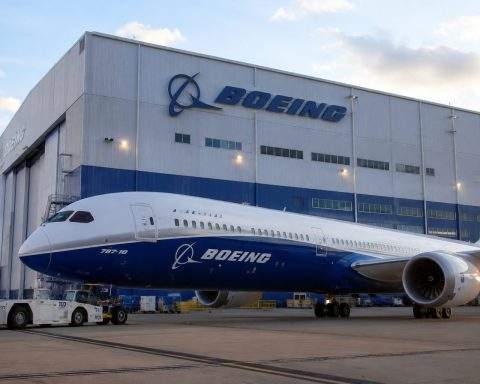
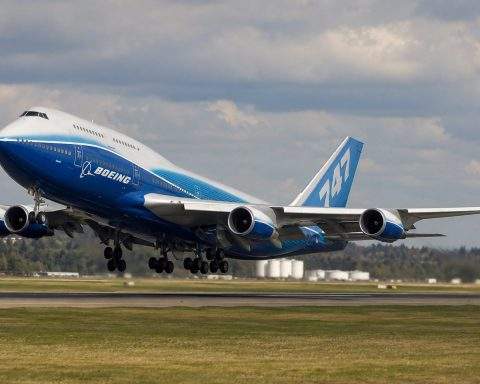
The Boeing Company NYSE:BA jumped 7.6% to $232.53 on Monday. The FAA had certified the 737 MAX 7. Regular U.S. trading remained open.
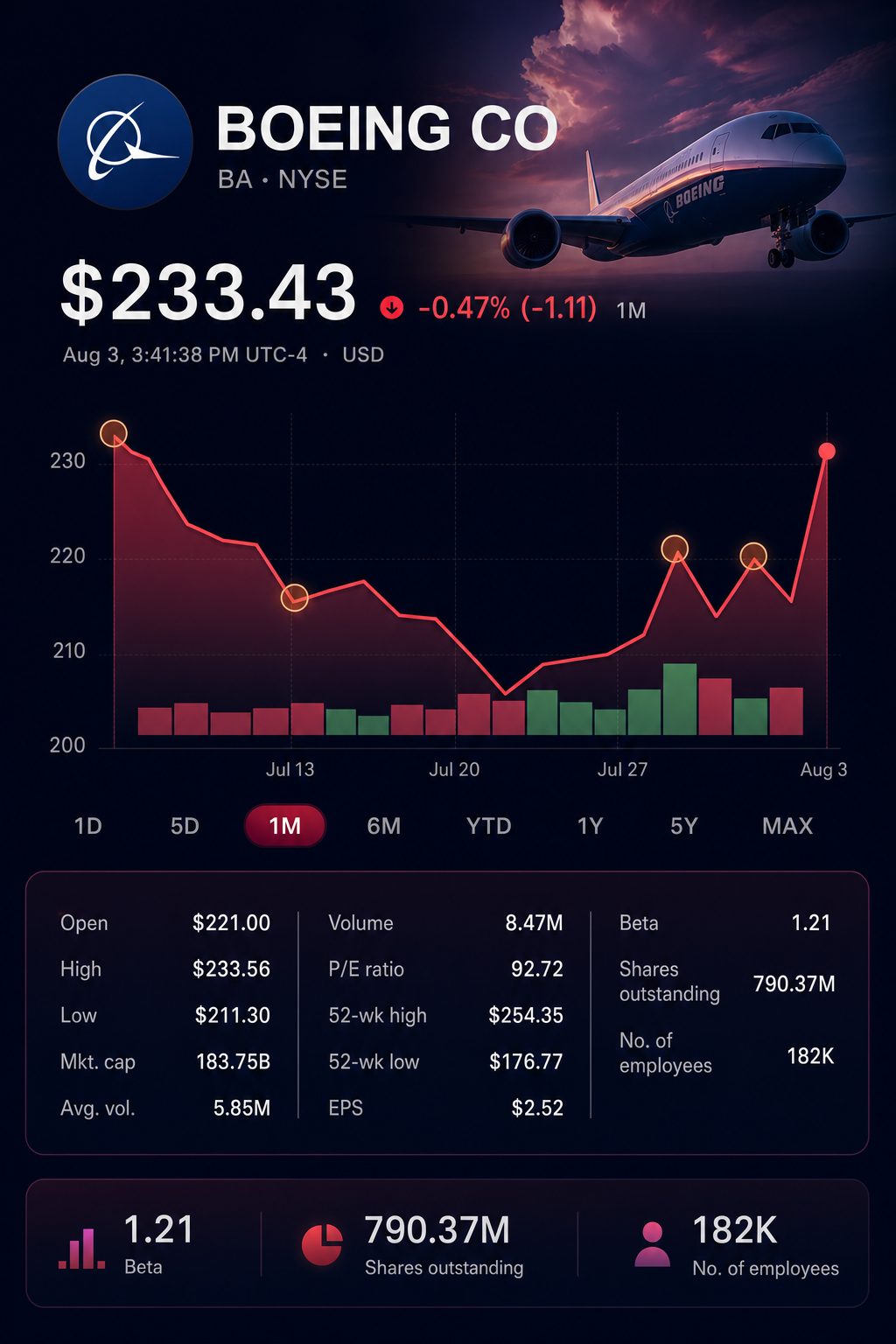
A preliminary calculation puts Boeing’s intraday equity-value gain near $12.9 billion. About 30 completed MAX 7s await delivery. The bigger opportunity sits elsewhere.
As of June, 282 MAX 7 orders represented 6% of Boeing’s MAX backlog. The MAX 10 accounted for at least 28%. That is roughly 4.7 times more backlog weight. Monday’s move appears to price that read-through.
| Company | Price | Intraday move | Investor link |
|---|---|---|---|
| The Boeing Company NYSE:BA | $232.53 | +7.6% | MAX 7 certification |
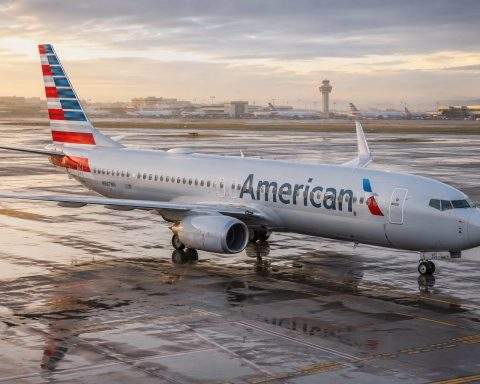
| Southwest Airlines Co. NYSE:LUV | $46.71 | +3.9% | MAX 7 launch customer |
| GE Aerospace NYSE:GE | $367.42 | +2.0% | Aerospace comparator |
| RTX Corp. NYSE:RTX | $216.67 | +0.7% | Aerospace comparator |
Prices were captured at about 14:53 EDT and remained intraday.
Boeing outperformed GE Aerospace by about 5.5 percentage points. It beat RTX by 6.9 points. Southwest gained roughly half as much. The gap points to a company-specific catalyst.
The FAA amended Boeing’s type certificate and production record. It required updated software, flightcrew alerts and redesigned engine anti-ice hardware. Inspectors will remain onsite at Boeing plants.
| 737 variant | Certification position | Share of MAX orders | Built awaiting delivery |
|---|---|---|---|
| MAX 7 | Certified August 3 | 282 orders; about 6% | About 30 |
| MAX 10 | Approval pending; planned flight tests complete | At least 28% | About 9 |
The MAX 10 therefore carries at least 4.7 times the MAX 7’s backlog weight.
Boeing Commercial Airplanes chief Stephanie Pope linked the two programs. She cited “important lessons that we are already applying to the 737-10.” The MAX 10 logged 976 certification flights and 2,060 flight hours. Final reviews remain. Reuters
Southwest expects its first MAX 7 to enter service within months. Yet its published schedule through March 2027 contains no MAX 7. Certification may not unlock cash at once.
| Date | FAA or program milestone |
|---|---|
| January 2024 | MAX production capped at 38 aircraft monthly |
| October 2025 | FAA authorized 42 aircraft monthly |
| March 2026 | FAA authorized 47 aircraft monthly |
| August 3, 2026 | MAX 7 certified and production authorized |
The production ceiling has risen in stages, while FAA oversight remains in place.
The FAA has loosened Boeing’s output constraint in stages. The approved 737 rate rose from 38 jets monthly to 47. Monday’s action removes a separate variant barrier.
The certificate also lands on a stronger cash base. Second-quarter free cash flow reached $631 million. Boeing burned $200 million one year earlier. That marks an $831 million swing.
| Metric | Q2 2026 | Q2 2025 | Change |
|---|---|---|---|
| Revenue | $24.56 billion | $22.75 billion | +8% |
| Commercial-aircraft deliveries | 171 | 150 | +14% |
| Free cash flow | $631 million | $(200) million | +$831 million |
| GAAP operating margin | 0.6% | (0.8)% | +1.4 points |
Boeing’s results showed better volume and cash generation, but profitability remained thin.
Commercial deliveries rose 14% to 171. Revenue gained 8% to $24.56 billion. Still, Boeing lost $428 million.
Chief Executive Kelly Ortberg said operations were “more stable.” He also said key certification programs remained on plan. Consolidated debt stood at $45.9 billion. MediaRoom
BNP Paribas EPA:BNP Exane analyst Matthew Akers upgraded Boeing to outperform from underperform. He raised his target to $300 from $230. His 2027 free-cash-flow estimate is $7 billion, about $1 billion above consensus. The target implies 29% upside from Monday’s snapshot.
The next test is delivery execution. Investors will watch the first MAX 7 handover and MAX 10 approval. A certificate creates no cash until customers accept and pay.
Risks remain material. FAA inspectors are still onsite, and the MAX 10 lacks approval. Southwest has no MAX 7 in its schedule through March 2027. Fresh quality findings or delays could reverse Monday’s gain.
Related articles: NYSE:BA