NEW YORK, August 4, 2026, 04:24 EDT
- The time frame for customer boarding is still set at 30 to 45 minutes prior to departure.
- Adjusted revenue for the second quarter increased by 20.3%, even as the number of revenue passengers declined 3.3%.
- Southwest rose 4.7% on Monday, keeping pace with a broader rally in airline stocks linked to oil.
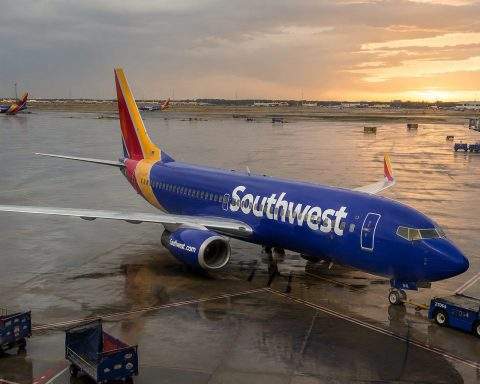
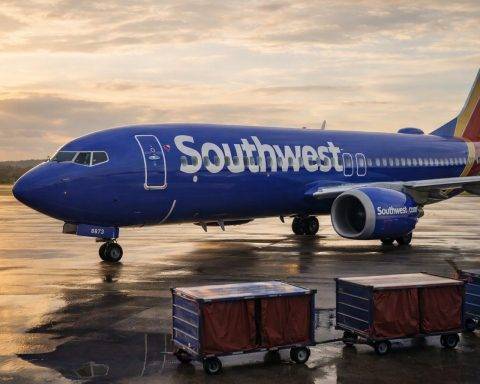
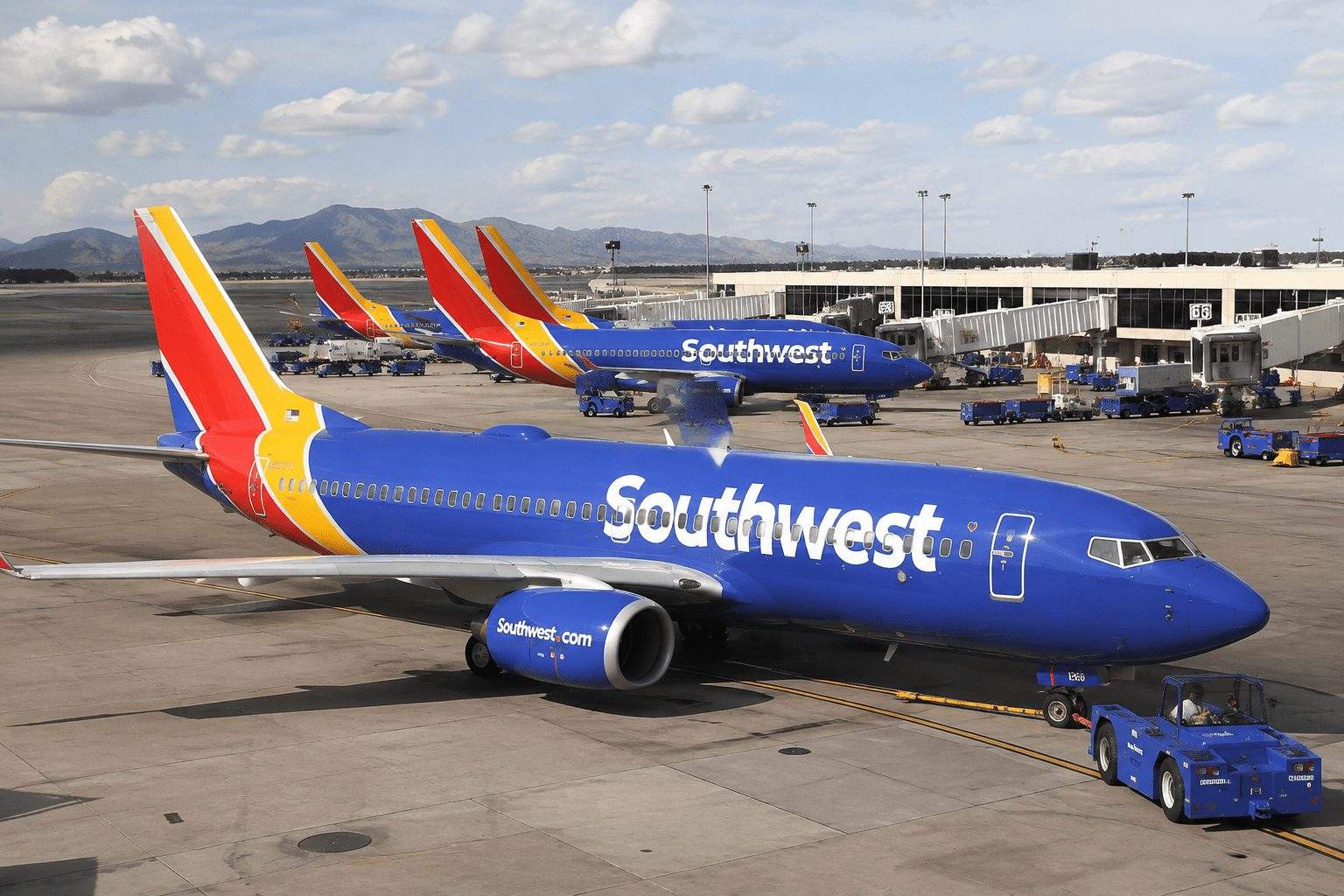
Southwest has not shifted passenger boarding times to an earlier slot. Beginning August 1, select flight attendants on some routes will report five minutes earlier. Passengers will continue to board 30 to 45 minutes prior to departure, with no modifications to the schedule. Multiple travel outlets had conflated these unrelated adjustments.
The confirmed adjustment on August 1 is limited in scope.
| Item | Before August 1 | Since August 1 | Verified effect |
|---|---|---|---|
| Crew arrival on certain flights | Original report time | Five minutes sooner | Increased preparation period |
| Customer boarding window | 30–45 minutes | 30–45 minutes | Unchanged |
| Published flight schedule | Current schedule | Current schedule | Unchanged |
The distinction is important, as Southwest’s revamp is generating revenue at a quicker pace than its passenger numbers are increasing. The next challenge will be if the carrier’s operations can handle the updated commercial approach. Fewer passengers are flying.
Adjusted revenue increased by 20.3% in the second quarter, even as capacity grew by only 0.2%. The number of revenue passengers declined by 3.3%, and average fares jumped 20.9%. These results indicate the gain was driven by monetization, not higher volume.
Southwest’s operating figures indicate the source of its expansion.
| Second-quarter metric | 2026 | 2025 | Change |
|---|---|---|---|
| Revenue passengers | 34.33 million | 35.51 million | -3.3% |
| Capacity | 47.09 billion ASMs | 47.00 billion ASMs | +0.2% |
| Trips flown | 367,740 | 367,952 | -0.1% |
| Average passenger fare | $225.61 | $186.65 | +20.9% |
| Adjusted RASM | 18.51 cents | 15.41 cents | +20.1% |
| Adjusted operating margin | 6.7% | 3.4% | +3.3 points |
Chief Executive Bob Jordan said the results “demonstrate the earnings power of our business.” The adjusted operating margin climbed to 6.7%, a gain of 3.3 percentage points. However, fuel costs rose by $889 million. PR Newswire
Management anticipates a similar revenue trend for the third quarter. Southwest projects unit revenue growth between 17.5% and 19.5% compared to the same period last year. Capacity is forecast to drop by 1% or hold steady.
To investors, the five-minute buffer appears to serve as a form of execution insurance. It provides crews with extra time to prepare, while customer schedules remain unaffected. Southwest has not specified any savings or improvement in on-time performance.
A travel update from August 3 also brought renewed attention to Southwest’s Customer of Size policy revision. The adjustment began in late May, not this week. When available, airport staff can provide a complimentary neighboring seat. If not, the passenger could be rebooked on a subsequent flight.
Southwest continues to recommend that customers buy an additional seat ahead of their journey. Eligibility for refunds depends on available open seats at departure and whether the same fare classes were booked. Claims should be submitted within 90 days.
The wider changes bring a direct financial impact for travelers. Basic, Choice, and Choice Preferred tickets on the mainland typically include a $45 fee for the first checked bag, with a $55 fee for a second. Carry-on bags continue to incur no charge.
The following are the current charges on the mainland.
| Fare or status | Carry-on and personal item | First checked bag | Second checked bag |
|---|---|---|---|
| Basic, Choice or Choice Preferred | No charge | $45 | $55 |
| Choice Extra | No charge | No charge | No charge |
| A-List Preferred | No charge | No charge | No charge |
| A-List | No charge | No charge | $35 |
Aviation reports associated the crew change with increased cabin luggage. Southwest, however, did not address this reason in its official comment. The airline mentioned only an updated crew-report policy.
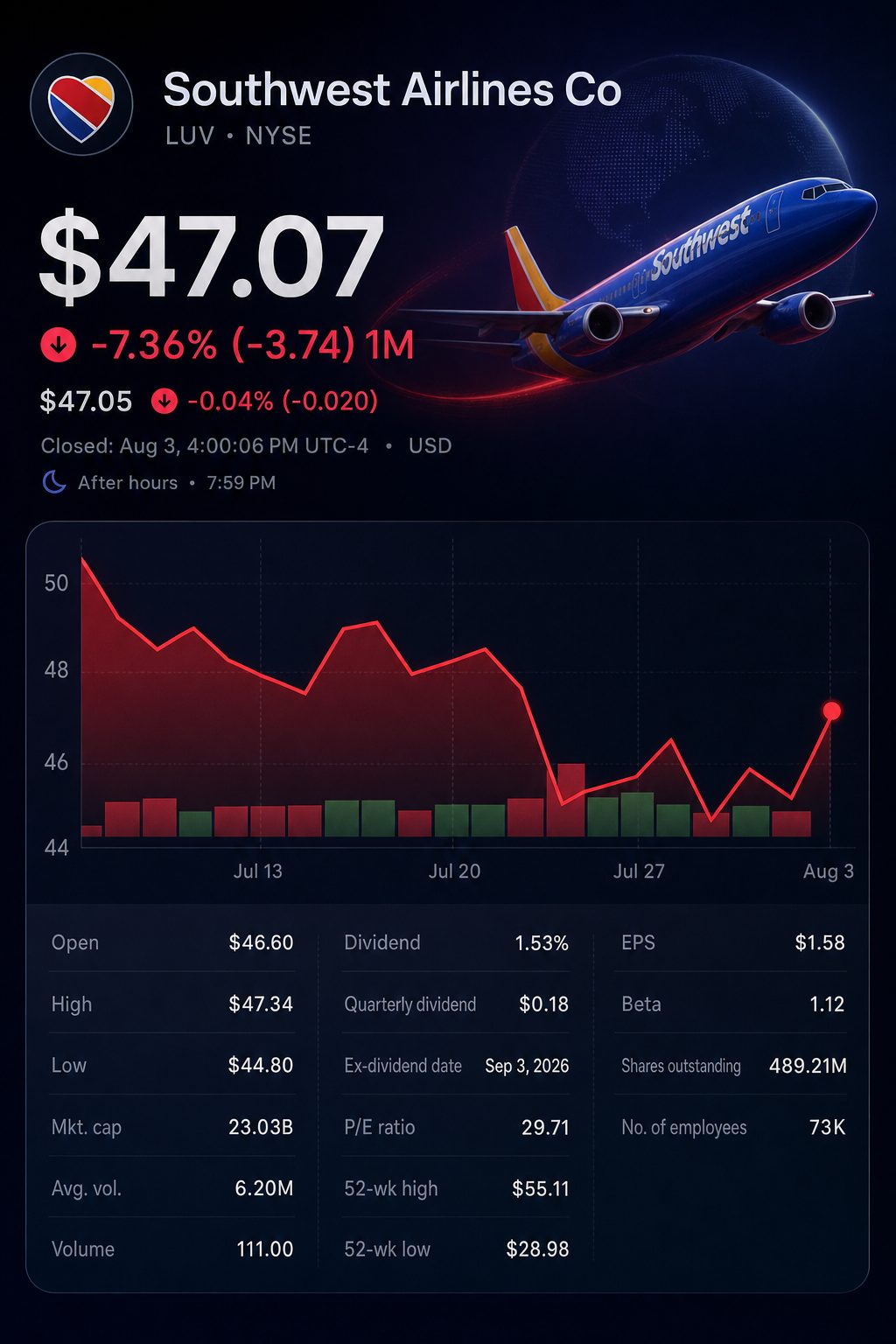
U.S. markets were not open for regular trading at the dateline, though premarket trading was underway. Southwest finished Monday’s session at $47.07, rising 4.7%. The increase reflected a broader move across the sector.
Monday’s closing numbers and trailing valuations indicate Southwest trades at a premium.
| Airline | Monday close | Daily move | Trailing P/E |
|---|---|---|---|
| Southwest Airlines NYSE:LUV | $47.07 | rose 4.7% | 29.8 |
| Delta Air Lines NYSE:DAL | $91.59 | up 4.7% | 15.2 |
| United Airlines Holdings NASDAQ:UAL | $128.39 | advanced 5.8% | 12.0 |
| American Airlines Group NASDAQ:AAL | $16.04 | gained 5.1% | Not meaningful |
The peer movement indicates that policy news was not the primary factor on Monday. Oil closed roughly 5% down as concerns over Iran eased. The S&P 500 climbed 1.5% amid a widespread market rally.
Southwest’s operational overhaul comes with high expectations on valuation. As of Monday’s close, the airline’s trailing price-earnings ratio was close to 29.8, nearly double Delta’s and about 2.5 times higher than United’s. Such a premium reduces tolerance for setbacks in execution.
Southwest shares closed at $44.97 at the end of last week, about 0.2% lower than its finish on July 24. Gains on Monday pushed the stock above that level, wiping out the slight loss from the previous week.
Southwest has no investor event planned for this week. The company’s next earnings call is slated for October 22. Investor focus in the short term is on oil prices, boarding consistency, and customer demand.
Risks: Non-fuel unit costs for the third quarter are projected to increase by 3.5% to 4.0%. Adjusted EPS guidance for the full year now stands at $3.25 to $4.25, down from at least $4. Fluctuating fuel prices and potential pushback from customers may counterbalance any revenue improvement.
Related articles: NYSE:LUV