
NEW YORK, Jan 3, 2026, 18:32 ET — Market closed
- FAA shut parts of Caribbean airspace to U.S. carriers after a U.S. military operation in Venezuela, triggering widespread flight cancellations
- American Airlines shares last closed up 0.98% at $15.48 on Friday
- Traders are watching how long restrictions last and whether disruptions spill into Monday’s open
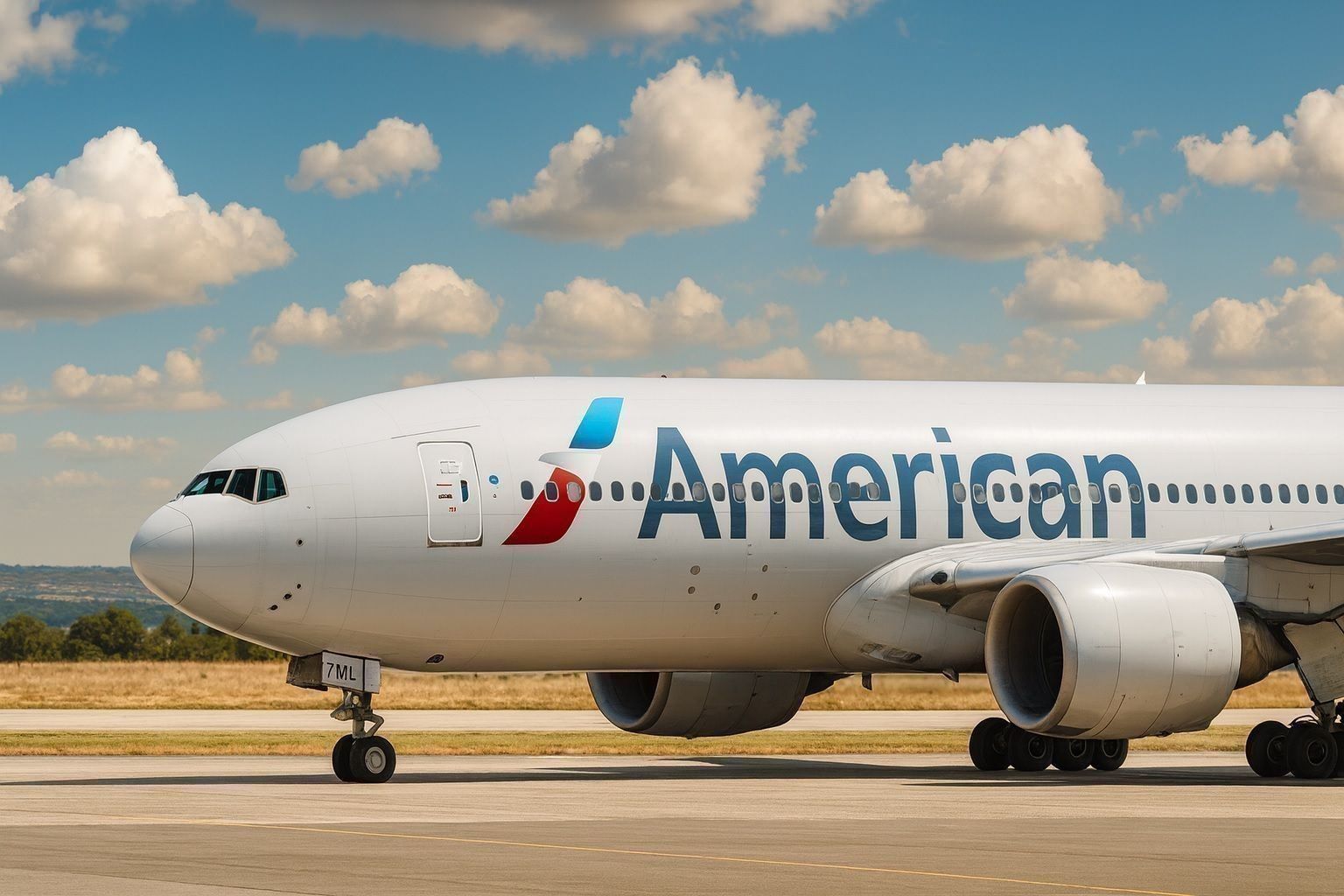
American Airlines Group Inc. stock heads into the next U.S. trading session in focus after the Federal Aviation Administration shut parts of Caribbean airspace to U.S. carriers, forcing widespread flight cancellations on Saturday. The closure followed a U.S. military operation in Venezuela that President Donald Trump said resulted in the capture of Venezuelan leader Nicolas Maduro; airline analyst Robert Mann said, “They have a day’s worth of passengers basically.” Reuters
The disruption matters now because airlines can lose revenue when flights are canceled and also incur extra costs to rebook passengers, reposition aircraft and crews, and waive fees. Even after airspace restrictions lift, carriers often need several days to work through the backlog.
American Airlines shares last closed up 0.98% at $15.48 on Friday, after trading between $15.15 and $15.75 in the session. The stock was little changed in late Friday after-hours trading.
Peers finished Friday mixed: Delta Air Lines fell 0.5%, United Airlines gained about 1.1% and Southwest Airlines was roughly flat.
The broader market ended the first session of 2026 higher, with the Dow up 0.66% and the S&P 500 up 0.19%, while the Nasdaq was little changed.
Oil prices also eased slightly, with U.S. crude settling at $57.32 a barrel and Brent at $60.75. That can matter for airlines because jet fuel is typically one of their largest operating costs, and moves in crude can influence fuel prices.
The FAA action came via a notice to airmen — a safety bulletin used by pilots and dispatchers — citing “safety-of-flight risks,” and U.S. officials signaled the restrictions would be lifted when appropriate. How quickly airlines can restore schedules will likely drive early sentiment when markets reopen.
Investors will be looking for any update from American and other carriers on the breadth of cancellations, customer waivers and rebooking loads, and whether the disruption alters near-term demand for Caribbean routes. A prolonged shutdown would raise the risk of knock-on delays at U.S. hubs as aircraft and crews end up out of position.
Before the next session on Monday, Jan. 5, traders will also be watching crude oil after OPEC+ is due to meet on Sunday, and whether weekend geopolitical headlines add to volatility in travel-related stocks.
Before the next session, attention is also shifting to earnings season. Market calendars list American’s next quarterly results for Jan. 22, before the market opens, with a conference call penciled in for Jan. 21.
Technically, Friday’s range leaves $15 as a near-term psychological line traders often watch, with resistance around the prior session high near $15.75. A break either way could set the tone for the first full trading week of the year.
Related articles: NASDAQ:UAL