
WASHINGTON, August 25, 2026, 09:48 EDT
- Vitruvias has recalled a lot of 30-mg thyroid tablets due to test results showing possible superpotency.
- Approximately 53.5% of the units released have been sold, resulting in a specific but spread-out retrieval operation.
- The warning comes as the FDA steps up oversight of animal-derived thyroid medicines that lack approval.
A recall of a thyroid medication affecting only 1,955 distributed units is now serving as a key marker for pharmaceutical traceability. The move comes soon after the FDA renewed efforts to address unapproved animal-based thyroid treatments taken by about 1.5 million Americans.
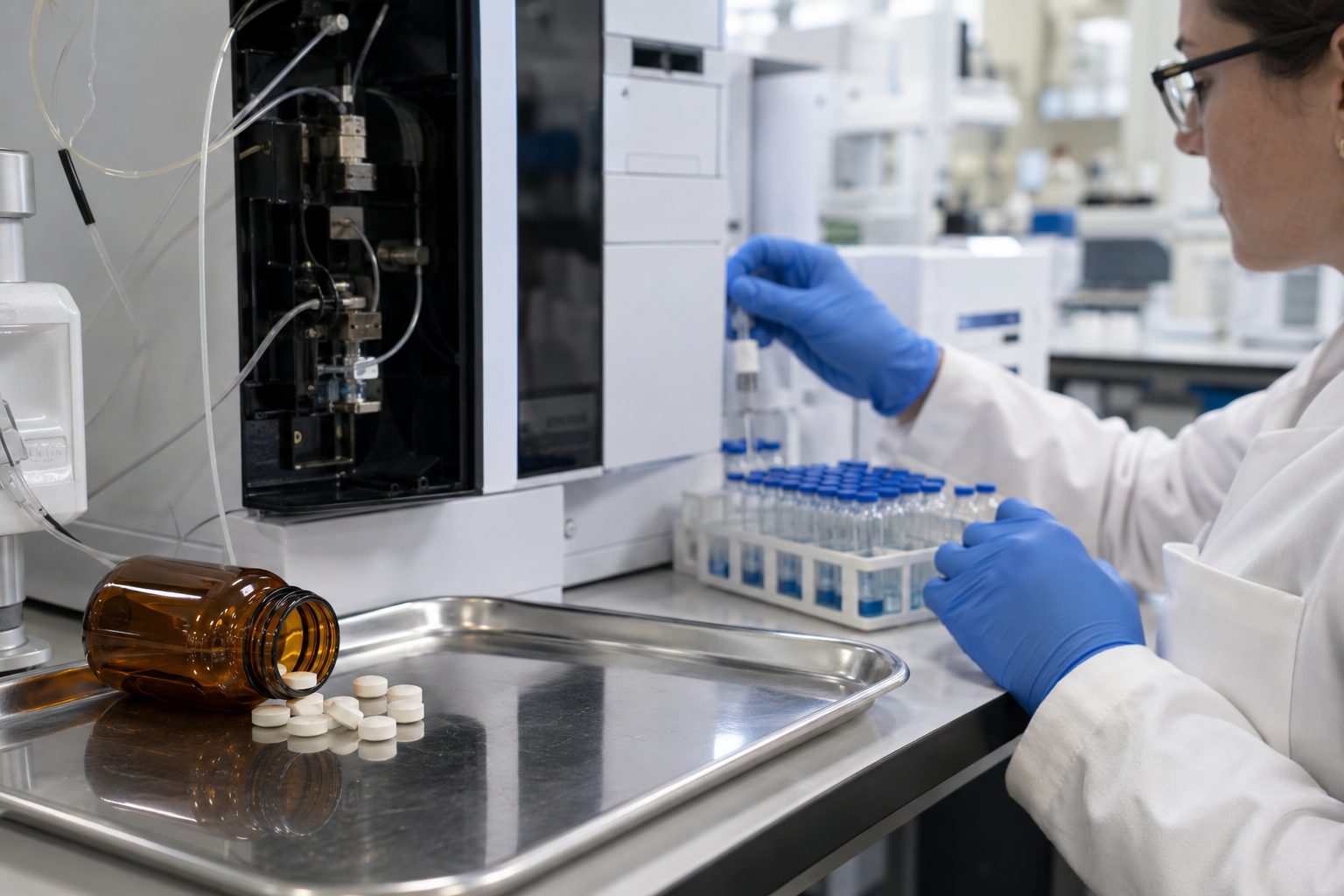
Vitruvias Therapeutics has initiated a recall of a single lot of Thyroid Tablets, USP 30 mg at the consumer level. According to an announcement shared by the FDA on August 24, testing showed that the product may be superpotent.
The immediate impact on commercial activity seems limited. However, 1,955 out of 3,655 distributed units have been sold, representing 53.5%. This situation now requires manufacturers and distributors to track down products placed with direct accounts across the country.
| Recall measure | Verified figure | Investor reading |
|---|---|---|
| Units released | 3,655 | Overall batch exposure |
| Units sold | 1,955 | 53.5% sale through |
| Released but not sold | 1,700 | 46.5%, as calculated remainder |
| Distribution window | Jan. 31-Sept. 30, 2025 | Supply entered marketplace earlier |
| Expiration | Sept. 30, 2026 | Portion may still be viable for use |
| Reported adverse events | None as of Aug. 21, 2026 | Currently limits potential liability concerns |
Lot 504950, identified by NDC 69680-166-00, has an expiry date of September 30. Distribution for this lot ceased almost 11 months prior to the recall notice. Because of the extended interval, recall success now relies heavily on downstream recordkeeping, pharmacy notifications and pinpointing the lot’s location.
Vitruvias is informing wholesalers and coordinating destruction of the recalled product. Patients are advised not to discontinue treatment without consulting a healthcare professional, according to the company. At the time of the recall announcement, no related adverse events had been reported.
The tablets consist of porcine thyroid gland extracts, delivering levothyroxine and liothyronine. Overdosing can result in hypertension, chest discomfort, accelerated heart rate, or abnormal heart rhythms. Risks are elevated for seniors, pregnant individuals, and infants.
Even slight variations in dosage can be significant. According to FDA pharmacology director Mehul Mehta, drugs with a narrow therapeutic index must be dosed precisely, as small adjustments can lead to lack of effectiveness or dangerous side effects. The FDA classifies synthetic levothyroxine as one of these medications.
The wider policy context increases the importance of the issue. The FDA states that thyroid medications made from animal sources lack approval and may deliver uneven hormone doses. The agency is taking a risk-based approach to enforcement as companies pursue official approval.
The agency reports that 1.5 million patients were prescribed animal-derived thyroid medications in 2024, versus 22 million who received synthetic levothyroxine. While the animal-derived market is smaller, it remains sizable enough for potency regulation and supply stability to be key investment factors for the sector.
There is a prior instance. In 2020, Acella Pharmaceuticals pulled 13 lots of NP Thyroid after tests revealed liothyronine levels as high as 115% of what was indicated on the label. At that time, two related reports of adverse events had been filed.
This background means the present development is not just an isolated product announcement. The primary issue is if Vitruvias can carry out the retrieval without further distribution, recurring incidents, or any incidents of reported harm. The FDA assesses the effectiveness of a recall based on how customers are notified and products are withdrawn.
Drug makers incur costs related to testing, product destruction, supply replacement and corrective measures. Distributors must handle expenses tied to record-matching and reaching out to customers. Approval processes could raise development costs throughout the animal-derived segment.
Risks: The FDA has not yet issued a recall classification or stated that there is a systemic issue in manufacturing. As only one lot is affected and no adverse events have been reported, the financial impact is likely limited unless the recall widens.
Related articles: Pharmaceuticals