
BOSTON, August 30, 2026, 04:58 (ET)
- DraftKings promotes a 50% deposit match, offering up to $1,000 in bonus bets.
- Sales and marketing expenses for the second quarter increased by 38.3% to $322.5 million.
- Marketing accounted for 22.3% of revenue, an increase from 15.4% in the previous year.
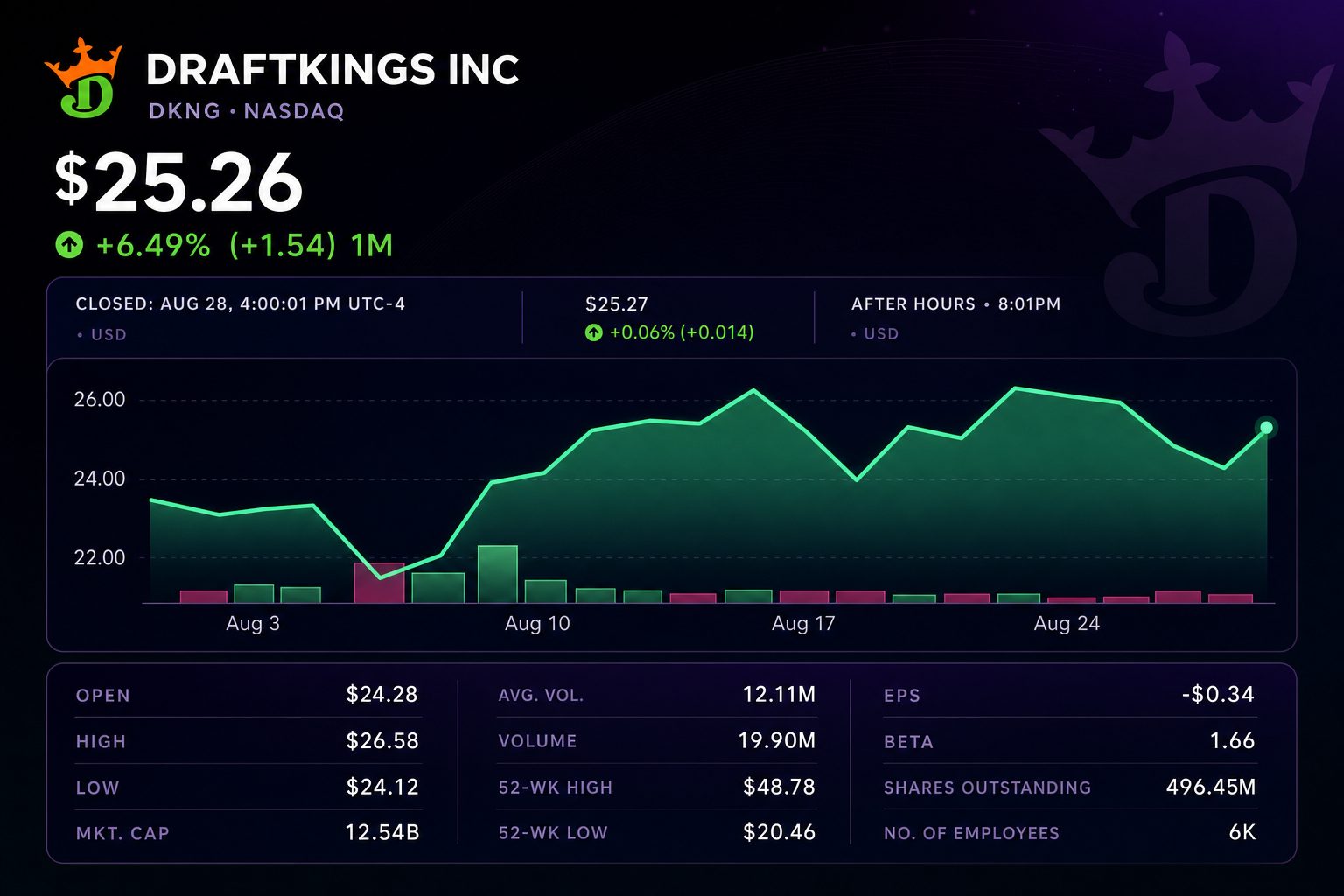
- DraftKings finished Friday at $25.26 per share, gaining 4.29% with 19.9 million shares traded.
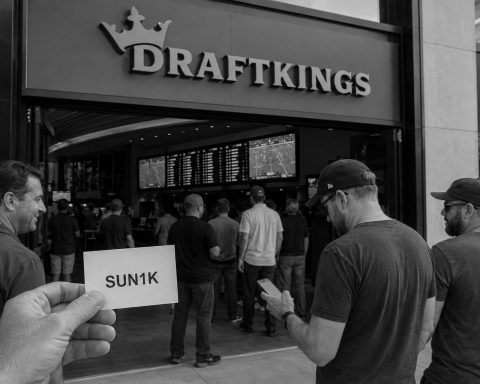
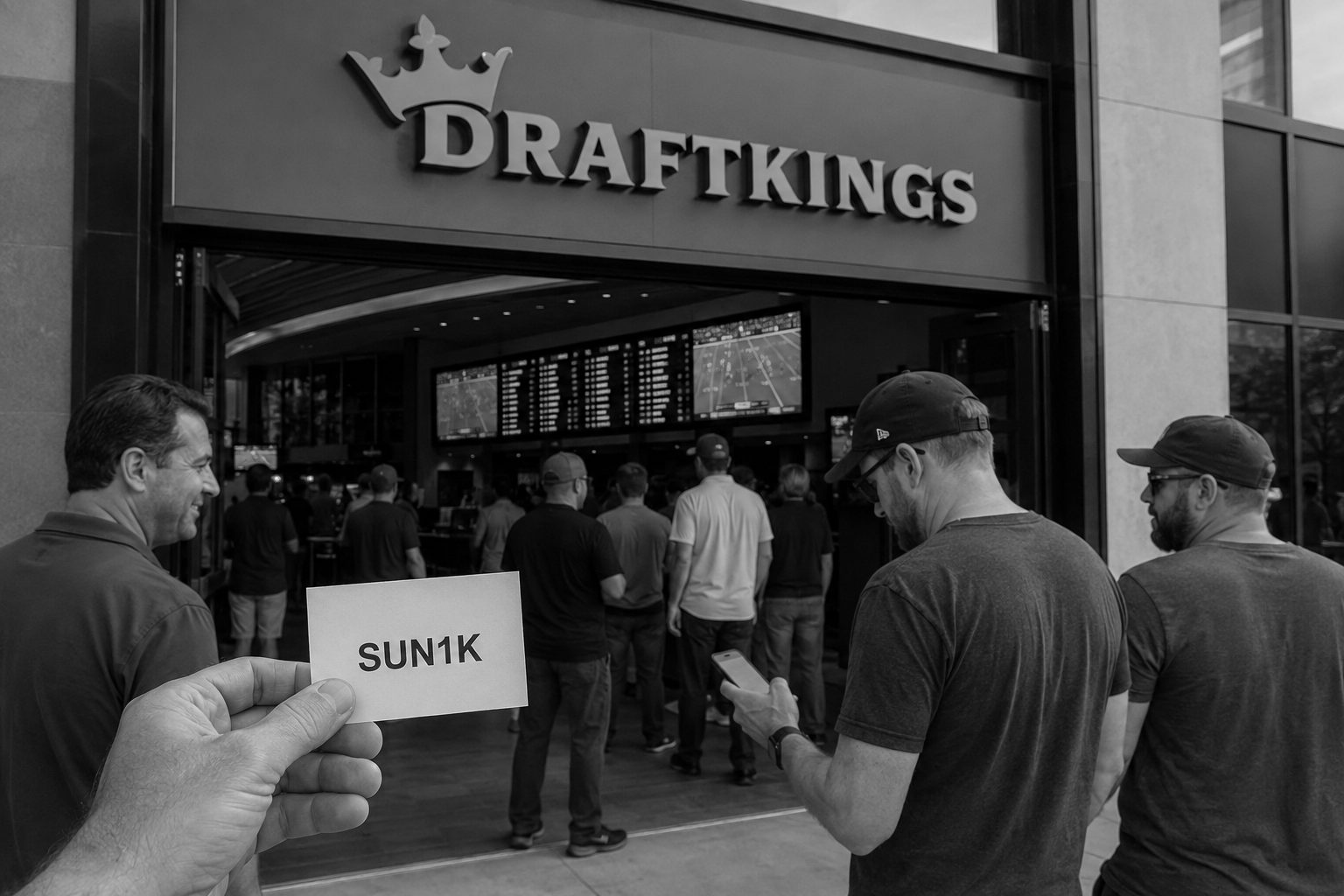
Interest in “draftkings bonus code” increased over the weekend as DraftKings Inc. NASDAQ: DKNG advertised a deposit match offer aimed at new customers ahead of football’s top customer sign-up period. The official promotion grants bonus bets equaling 50% of an eligible deposit, up to a $1,000 limit, using code SUN1K DraftKings offer.
The increase in search activity is notable as promotions are already taking up a greater portion of revenue. In the second quarter, DraftKings allocated $322.5 million to sales and marketing—a 38.3% increase from the same period last year—while revenue declined 4.6% to $1.44 billion SEC filing.
Marketing accounted for 22.3% of revenue, an increase of almost seven percentage points. This raises the investor question linked to Sunday’s Google trend: can these costly sign-ups turn into long-term, profitable customers?
| Metric | Q2 2026 | Q2 2025 | Change |
|---|---|---|---|
| Revenue | $1.443 billion | $1.513 billion | -4.6% |
| Sales and marketing | $322.5 million | $233.2 million | +38.3% |
| Marketing as percentage of revenue | 22.3% | 15.4% | +6.9 points |
| Monthly unique payers | 3.6 million | 3.3 million | +9% |
| Revenue per payer | $132 | $152 | -13% |
| Adjusted EBITDA margin | 7.9% | 19.9% | -12.0 points |
To qualify for the official promotion, customers must deposit a minimum of $500 and complete one-time wagering within 14 days. DraftKings additionally advertises separate sportsbook promotions that do not need a code promotion hub. While the code offers notable value, the company treats such customer incentives as a function of gaming economics rather than just marketing.
Active users grew through customer acquisition, with monthly unique payers rising 9% to 3.6 million. However, average revenue per payer declined 13% to $132, as promotional offers and favorable sports outcomes reduced overall monetization quarterly results.
Adjusted EBITDA dropped to $114.6 million compared to $300.6 million. The margin narrowed to 7.9% from 19.9%. The company continues to project 2026 revenue between $6.5 billion and $6.9 billion, with adjusted EBITDA anticipated in the range of $700 million to $900 million.
The midpoint suggests an adjusted EBITDA margin of 11.9% for the full year. Realizing this will depend on improved conversion rates among accounts after promotional credits have run out. The upcoming NFL season kickoff on September 9 marks the next scheduled opportunity to gauge retention and betting activity NFL calendar.
DraftKings shares climbed 4.29% to $25.26 on Friday, with trading volume reaching 19.9 million—roughly 64% higher than its 12.1 million average. Despite the gain, the stock is still 48% below its 52-week high Google Finance.
Analysts hold an optimistic outlook, though their opinions vary. MarketBeat reports 30 buy ratings, eight holds, and two sells. The consensus price target is $34.11, suggesting roughly 35% potential upside from Friday’s closing price analyst consensus.
DraftKings reported increased external marketing spending, citing factors including the FIFA World Cup, NBA playoffs, and the launches of its Super App and Predictions feature. As a result, Sunday’s surge in bonus-code searches cannot be pinpointed as solely due to one campaign. Still, the data supports that consumers are seeking out acquisition incentives U.S. trend table.
Risks: Users motivated by bonuses might exit once credits run out. Bettors winning more often can reduce sportsbook profit margins. Regulatory updates, tax changes and rival promotions from FanDuel could further increase customer acquisition expenses.
The immediate approach stands out. A promotion could draw interest prior to the NFL season. DraftKings needs to convert that interest into recurring engagement while reducing marketing costs from almost one dollar per four dollars of revenue.
Related articles: NASDAQ:DKNG