
CHICAGO, August 31, 2026, 19:48 EDT
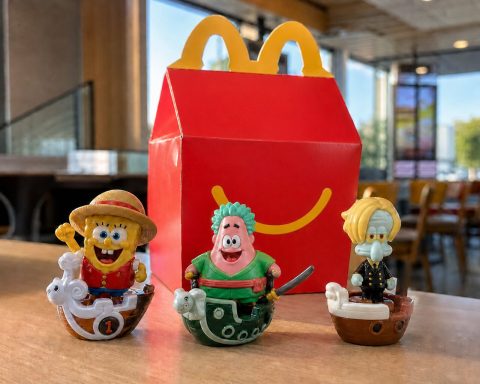
- McDonald’s will launch a SpongeBob SquarePants–One Piece Happy Meal in the U.S., offering 15 different toys starting September 15.
- U.S. same-store sales rose 0.8% in the second quarter, but comparable guest counts remained in negative territory.
- McDonald’s closed at $263.54, down 0.55%. Shares were recently changing hands at $264.70 as of 19:46 EDT.
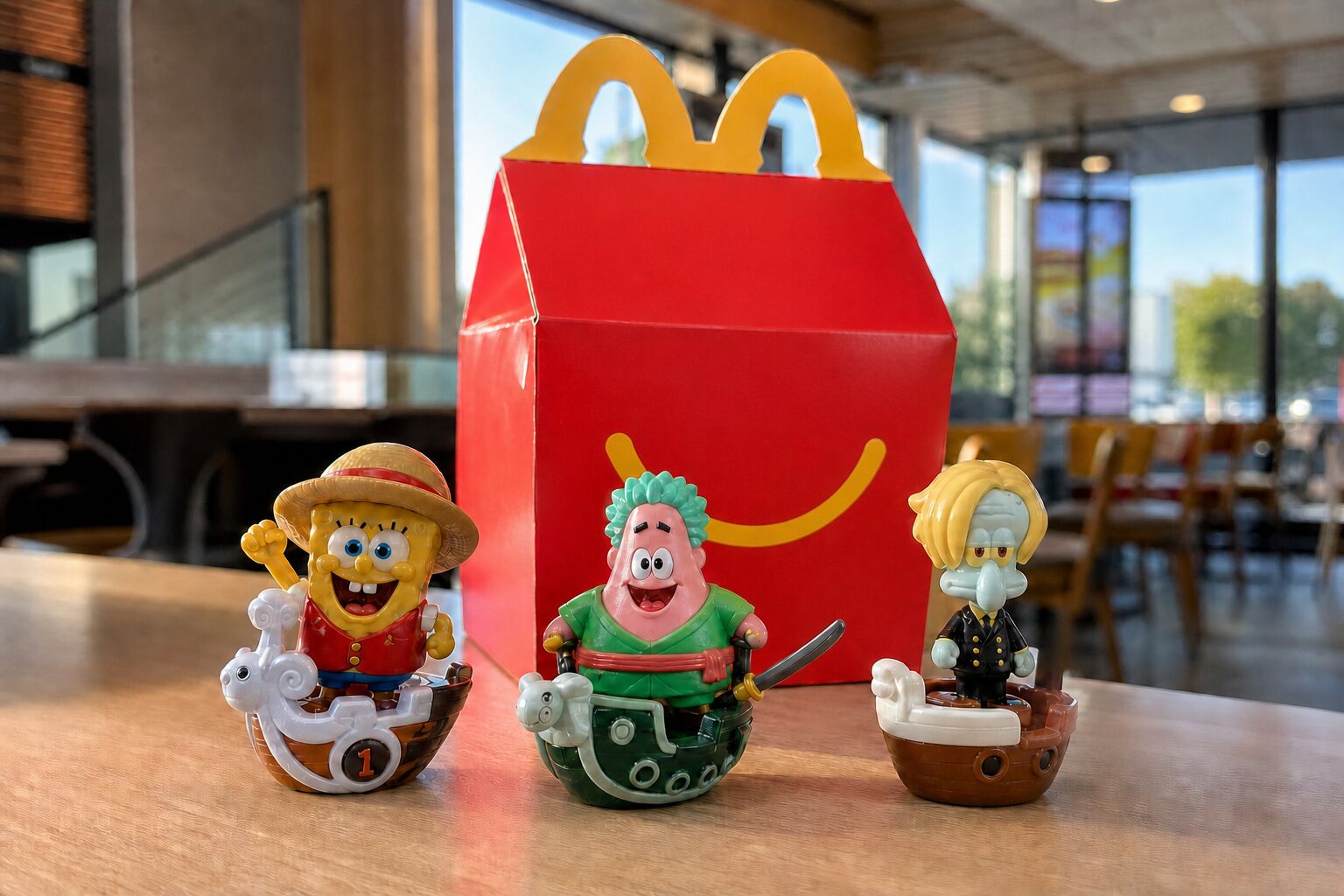
McDonald’s Corporation NYSE:MCD will launch a Happy Meal featuring 15 toys in the United States from September 15. The SpongeBob SquarePants–One Piece crossover campaign comes after a decline in quarterly U.S. guest counts.
Promotions affect menu prices less than they do transaction volumes. U.S. comparable sales rose just 0.8% in the second quarter. Gains in average check size offset another decline in comparable customer visits.
Shares ended Monday at $263.54, down 0.55%. By 19:46 EDT, the stock was trading at $264.70, according to Nasdaq. That after-hours price was up 0.44% compared to the closing level.
McDonald’s last-sale path on August 31
Selected Nasdaq prints, U.S. dollars. Official regular close: $263.54.
As of . Source: Nasdaq.
According to McDonald’s official menu update, the meal will be offered at select locations throughout the U.S. Customers can collect from 15 different character mashups. McDonald’s has yet to announce a nationwide price.
SpongeBob appears as Luffy and Squidward as Sanji in the collection. TODAY has separately verified the lineup of characters and the launch date. Availability may vary based on participating locations and inventory.
A larger collectible set raises the repeat-visit test
Calculated from McDonald’s disclosed toy counts. Source: McDonald’s U.S. Menu Spotter, August 31, 2026.
The new line follows the launch of the Hello Kitty–Godzilla meal, which was introduced with eight toys on August 18. Featuring 15 unique designs, the set encourages customers to make additional purchases. McDonald’s has not released a projection for the potential impact.
Recent data shows the effect on traffic. U.S. comparable sales growth slowed by 1.7 percentage points from a year earlier. Global sales growth also weakened, falling to 1.3% from 3.8%.
Second-quarter comparable-sales growth slowed
Mix matters: McDonald’s said higher average checks supported U.S. sales, while comparable guest counts declined.
Quarter ended June 30. Source: McDonald’s second-quarter 2026 results, released August 4, 2026.
McDonald’s CEO Chris Kempczinski said the company must “raise the bar in the U.S. and accelerate performance in our largest market.” Skye Anderson assumed the role of U.S. president on August 4.
The franchise setup amplifies the impact of a continued recovery in traffic. In the second quarter, franchised restaurants generated $3.71 billion in margin, while company-operated outlets brought in $387 million.
Franchising supplied 90.6% of restaurant margin dollars
Share calculated from disclosed margin dollars for the quarter ended June 30. Source: McDonald’s Form 10-Q, filed August 7, 2026.
This setup routes restaurant sales into rental and royalty income, lessening McDonald’s direct risk from food cost fluctuations at the corporate level. Local franchisees remain responsible for labor, food, and promotional expenses.
Second-quarter revenue rose 4% to $7.10 billion. Diluted earnings increased 6% to $3.32 per share. U.S. restaurant margin dollars grew 2% to $1.71 billion.
Financial details of the crossover remain undisclosed. McDonald’s has not specified any licensing costs, target unit volumes, or forecasts for extra sales. Expanding the toy range could encourage repeat visits, though it may also add to logistical complexity.
The confirmed catalyst is the September 15 launch. Investors are set to watch whether traffic rises without further discounts, which would boost the performance of U.S. comparable sales.
Risks: Collectors may choose to reroute purchases rather than return regularly. Stock shortfalls could lead to customer dissatisfaction. Moreover, costs for licensing and packaging may limit profits for restaurants.
The primary test is simple. If promotions succeed in attracting more visitors, McDonald’s profitable franchise network stands to gain. But if another quarter shows growth led mainly by increased check sizes, concerns over customer foot traffic will persist.
Related articles: NYSE:MCD