
New York, June 19, 2026, 16:34 (EDT)
- U.S. equity markets did not open Friday because of the Juneteenth holiday.
- Since 1945, there have been 14 U.S. bear markets, each averaging a 36% drop, lasting about 289 days.
- The S&P 500 is trading at 21.1 times expected earnings, higher than its 10-year average of 18.9.
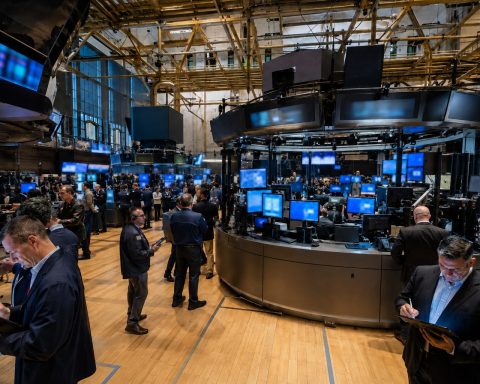
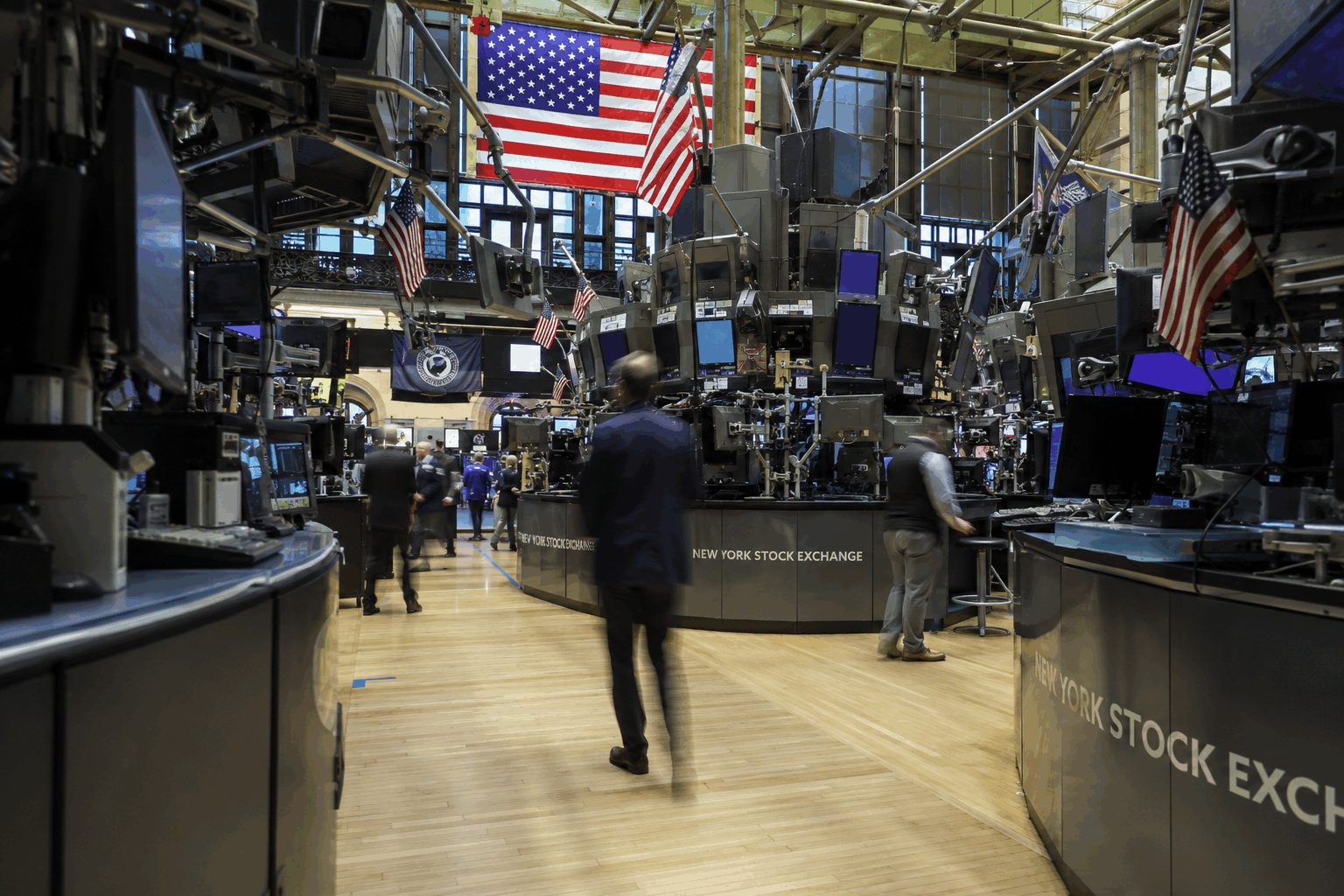
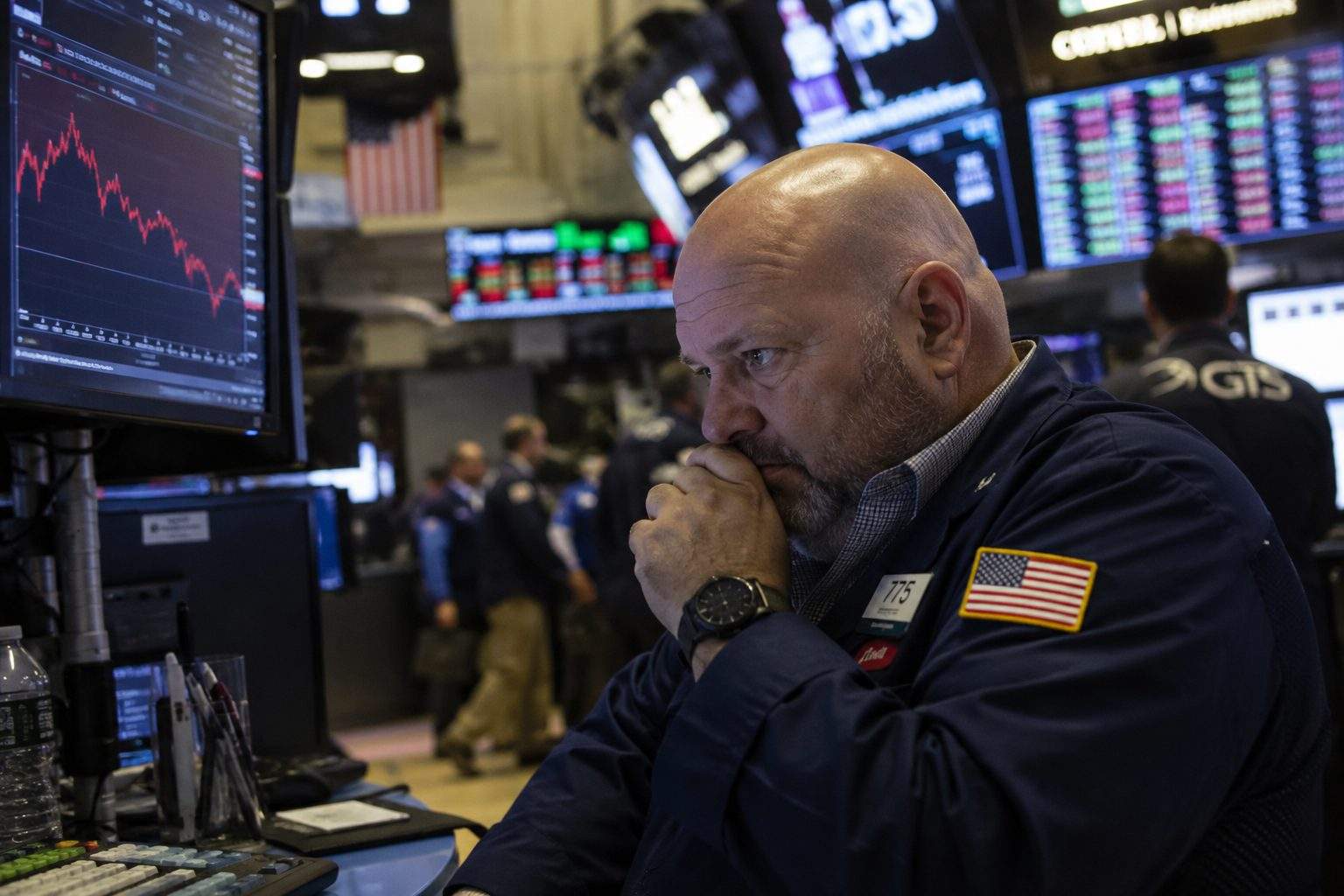
Stocks wrapped up trading before the holiday with Wall Street still close to all-time highs. The S&P 500 settled at 7,500.58 on Thursday, which is 9.6% above its 2025 close. The Nasdaq Composite finished at 26,517.93 and the Dow posted 51,564.70. No sign of a confirmed crash, but there’s not much room if things go wrong.
This matters now as the rally stands on a clear trade-off. AI spending is pushing profits higher, but expensive valuations, tight market leadership and a stronger Fed rate outlook are making stocks more vulnerable to misses on earnings or inflation.
S&P 500 corrections — drops of at least 10% — have happened 56 times since 1929, but just 22 of those turned into bear markets, or plunges of 20% or more. Corrections that didn’t cross into bear territory averaged a 13.8% decline and lasted 115 days. Bear markets saw losses average 35.6%.
Profit growth is still the story. Analysts forecast S&P 500 earnings will climb 22.9% in the second quarter, after jumping 29.3% in the first, LSEG data shows. Andy Pratt, director of investment strategy at Burney Company, said there’s “a lot of juice” left in the AI revenue trend. Reuters
Price is playing its part. FactSet said the S&P 500’s forward price-to-earnings ratio was 21.0 in May. That’s higher than the five-year average of 19.9 and the 10-year average of 18.9. The ratio shows what investors pay for a dollar of projected profit. It can stay high if growth is fast, but it makes any earnings downgrade hit harder.
Tech’s weight in the S&P 500 hit 39.4% in early June, pushing past the 35% level seen during the dot-com era. These companies now pull in a much bigger chunk of index profits than tech did in 2000. Walter Todd, CIO at Greenwood Capital, sees risks in the high stakes: “It doesn’t take much to cause an accident at that speed.” Reuters
Options market signals are looking shakier now. Correlation, which tracks how much stocks move together, dropped close to record lows. That means portfolios that seem diversified might all drop together if a shock hits. “The market has gotten significantly more fragile,” said Maxwell Grinacoff, head of U.S. equity derivatives research at UBS. Reuters
The Fed left rates unchanged on Wednesday, keeping the federal-funds rate at 3.5% to 3.75%. Policymakers said inflation is still above their 2% target. Their latest median estimates showed 2026 PCE inflation at 3.6% with the policy rate at 3.8% by the end of the year, both higher than the numbers they gave in March.
The risk is tilted to the downside. If inflation stays sticky, more rate hikes could come just when AI spending runs into tougher year-on-year comparisons, hitting earnings estimates and compressing multiples. Anthony Saglimbene, chief market strategist at Ameriprise, pointed to “strong AI secular tailwinds,” but also flagged higher energy costs, rising rates, and stickier inflation. A Reuters poll put the median year-end S&P target at 7,620 — just 1.6% above where the index closed on Thursday. Reuters
History can’t say when the next crash will hit. Most corrections actually don’t turn into full bear markets, but the ones that do can wipe out years of gains. Looking at 2026, the data points to higher drawdown risk. But that doesn’t mean a collapse is certain.