
London, July 13, 2026, 11:16 (BST)
Anglo American plc LON:AAL shares reversed an early 1.1% fall and traded 0.3% higher at 3,631 pence at 11:08 BST on Monday, even as a fresh bearish broker call put the miner’s freight bill at the centre of its next update. Glencore plc LON:GLEN was up 0.5%, while Rio Tinto plc LON:RIO gained 0.3% in the same market snapshot.
The rebound leaves Anglo 7.7% above the revised 3,350-pence price target set by JPMorgan Chase & Co. NYSE:JPM. Analyst Dominic O’Kane kept an Underweight rating and placed the miner on “Negative Catalyst Watch” — a warning that a near-term event has an increased chance of pushing the shares lower. Underweight means the bank recommends holding less of the stock than its share in a benchmark index. AskTraders.com
The issue is not simply whether Anglo’s mines hit their output targets. JPMorgan forecasts first-half EBITDA at $3.8 billion, 6% below a Bloomberg consensus of $4.0 billion; EBITDA means earnings before interest, tax, depreciation and amortisation, a measure of operating profit before financing and certain non-cash costs.
The bank said Minas-Rio’s Brazil-to-China freight rate rose by about $15 a tonne in the second quarter. Cargoes redirected from Middle East customers to Europe and China “may incur lower prices”, it added. JPMorgan also forecasts a $217 million EBITDA loss at De Beers. Investing.com
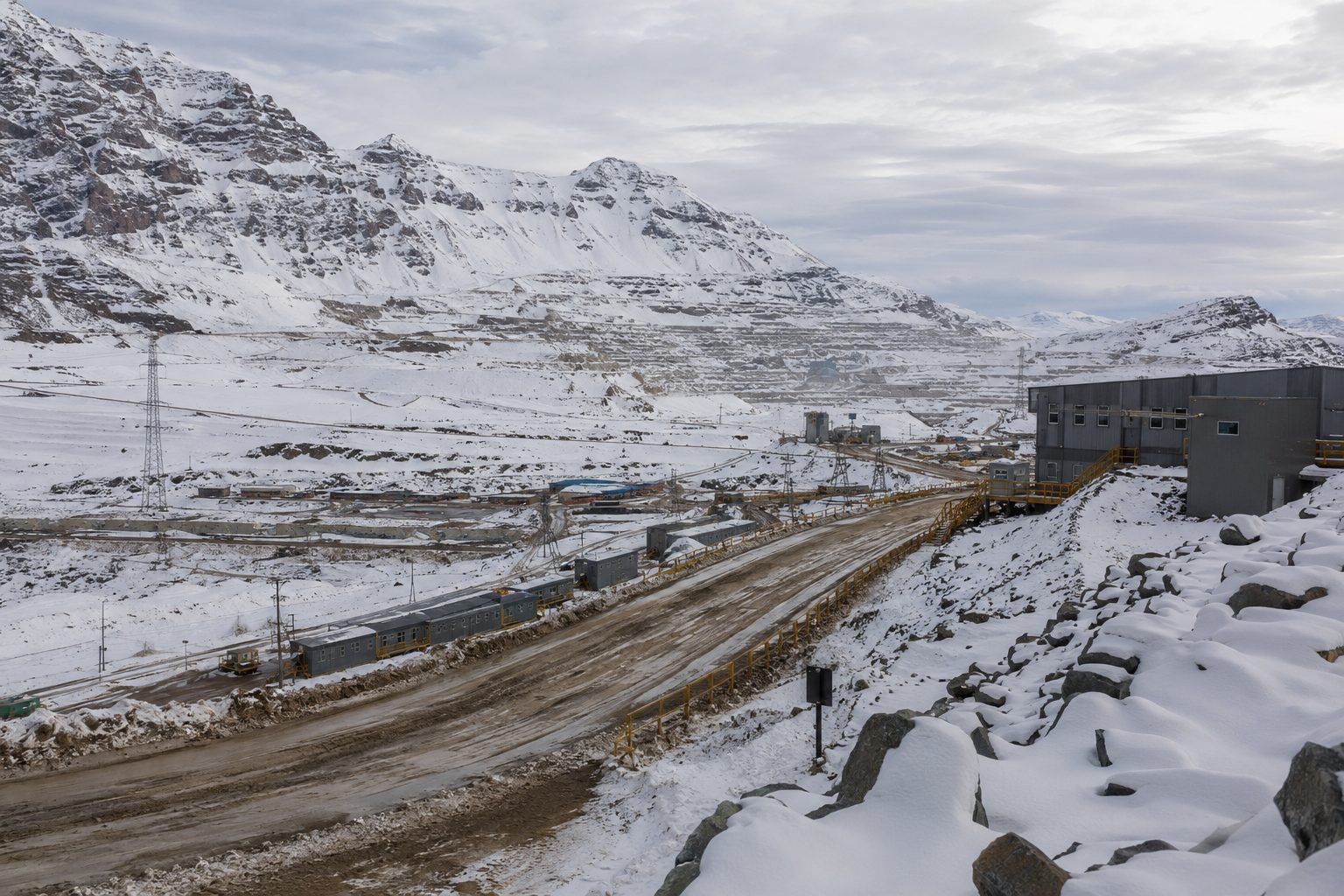
Anglo’s own operating data sharpen the scale of the freight warning. Minas-Rio produced 6.366 million wet tonnes in the first quarter, while the company’s 2026 unit-cost guidance for the Brazilian operation is about $36 a tonne.
| Freight lens | Calculation | Result |
|---|---|---|
| Full-volume quarterly sensitivity | 6.366 million tonnes × $15 | $95.5 million |
| Share of estimated H1 EBITDA gap | $95.5 million ÷ $200 million-$240 million | 39.8%-47.7% |
| Freight increase versus unit-cost guide | $15 ÷ $36 | 41.7% |
The EBITDA-gap range reflects both the rounded $3.8 billion and $4.0 billion estimates and JPMorgan’s stated 6% shortfall. The comparison with unit costs is for scale: freight and mine operating expenses are different cost buckets.
O’Kane described the sector setup as one of “cost-inflation driven earnings disappointments”. JPMorgan kept Glencore and Rio at Neutral, though it said Rio was “emerging as a value candidate” after its decline. Anglo remains the bank’s sharper cost-risk case among the three. Proactiveinvestors NA
The warning also lands in a tougher energy market. Brent crude climbed 3.8% to $78.86 a barrel on Monday as U.S. and Iranian forces traded fresh attacks and Tehran said it had again closed the Strait of Hormuz. That does not prove Minas-Rio’s freight rates will rise further, but it keeps fuel and maritime risk firmly in investors’ line of sight.
Management’s last public message was more guardedly positive. Chief Executive Duncan Wanblad said in April that a “resilient supply chain” was supporting business continuity and that Anglo was actively managing potential cost inflation. The planned merger with Teck Resources Ltd. NYSE:TECK remained on course for a September 2026-to-March 2027 closing window, with Chinese antitrust approval the final outstanding regulatory milestone at that time. Anglo American
But the $95.5 million figure is a sensitivity, not an earnings forecast. It uses first-quarter production as a stand-in for second-quarter shipped volume and assumes every tonne faced the full $15 increase. Destination mix, sales timing, freight contracts and any easing in shipping rates could reduce the effect; stronger iron-ore premiums could also absorb part of it. The downside case is that elevated freight and lower selling prices arrive together.
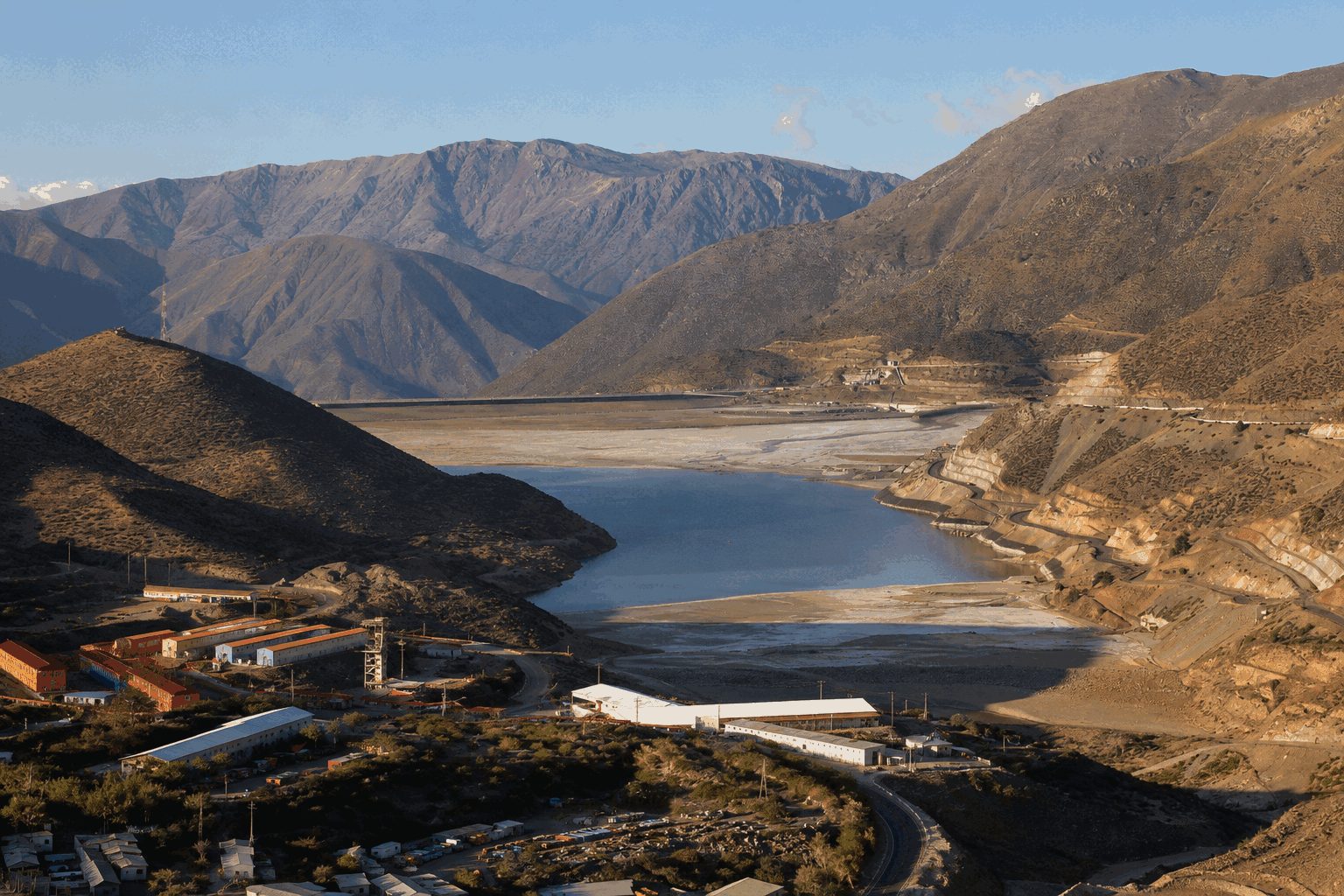
Copper adds a separate risk. A Chilean tribunal in May set aside a 2021 environmental authorisation covering Collahuasi’s almost-complete desalination project. Anglo said it did not expect an immediate production impact because alternative water sources were available, but the permit question remains unresolved.
The next hard test comes with Anglo’s second-quarter production report at 0600 GMT on July 23. Investors are likely to look beyond headline tonnage to actual iron-ore selling prices, shipping routes and any change to cost guidance. A clean update would support Monday’s recovery. A freight-led miss would pull the 3,350-pence broker target back into view.
Related articles: Stock Market