
London, July 13, 2026, 11:15 BST
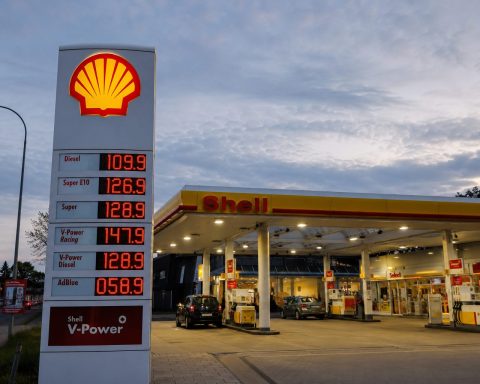
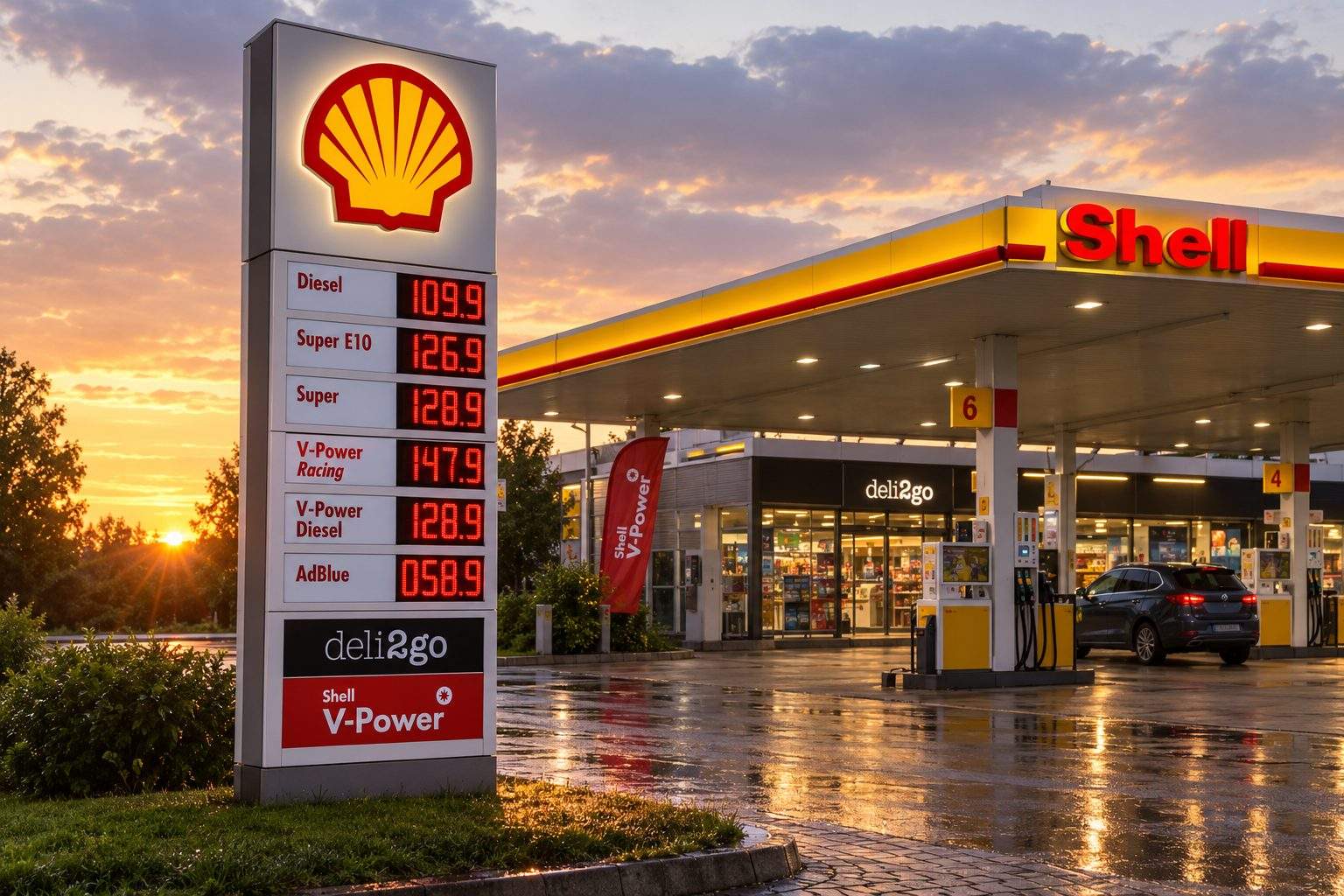
Shell rose 0.96% to 3,067.71 pence by 10:54 BST on Monday, but the move had already lost force. The stock opened at 3,099 pence, nearly 2% above Friday’s close, then surrendered 52% of that opening gain even as Brent crude, the global oil benchmark, climbed 3.8% to $78.86 a barrel after renewed U.S.-Iran strikes.
The fade is more telling than the headline gain. The price action suggests investors are treating Shell as a two-sided conflict trade: sharp commodity swings can help its trading desks, but disrupted Gulf operations and a temporarily absent buyback can dull the stock’s response.
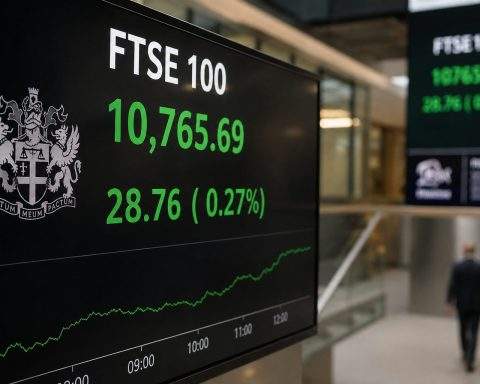
BP Plc LON:BP was up 2.25% at 493.50 pence at 11:09 BST, while the FTSE 100 was barely changed. On those snapshots, Shell captured roughly one-quarter of Brent’s percentage rise, against nearly three-fifths for BP. It is a one-session sensitivity check, not a lasting measure, but for the morning the market treated BP as the cleaner crude-price exposure.
One overlooked factor is mechanical. Shell’s $3 billion share-repurchase programme is paused through July 14 because of securities-law requirements tied to the shareholder vote on its planned $16.4 billion purchase of ARC Resources Ltd TSE:ARX. With Shell not buying, a regular source of market demand is missing; uncompleted repurchases can be shifted into later 2026 programmes, subject to board approval.
Operationally, the quarter is mixed. Shell guided Integrated Gas output to 610,000-650,000 barrels of oil equivalent a day — a measure that puts oil and gas on one energy basis — from 909,000 in the first quarter, with Qatari volumes hit by the conflict. The midpoint is 31% lower; LNG liquefaction volumes are guided about 4% below Q1, while gas trading should be significantly stronger. Shell’s headline refining and chemicals margin indicators also improved, though it warned that realised margins were lower because of market dislocations.
The quieter number is cash. Shell projects a $1 billion-$6 billion working-capital inflow after an $11.2 billion first-quarter outflow, implying a quarter-to-quarter reversal of $12.2 billion-$17.2 billion. Working capital is cash tied up in inventories, customer bills and supplier payments; the swing can lift operating cash flow, but it is not the same as earning an extra $12 billion.
Oil positioning tells a similar story. Warren Patterson at ING wrote on Monday that speculators cut their net-long Brent position — bullish futures bets minus bearish ones — to 55,087 contracts and were “still reluctant to jump into the oil market.” That caution helps explain why the oil rally did not pass straight through to Shell shares. Investing.com South Africa
Shell reports full second-quarter results on July 30. Investors will test whether trading gains and the working-capital release outweigh the Qatar hit, and whether the buyback resumes cleanly after the ARC vote. That shifts the near-term debate from spot oil alone to cash conversion and capital returns.
But the setup can reverse in either direction. Waleed Said at GivTrade said “credible negotiations and stable shipping flows would quickly remove part of the risk premium.” Renewed attacks on tankers, ports or energy infrastructure, by contrast, could push oil higher while deepening Shell’s operational losses. The Wall Street Journal
By late morning, Shell was still up. The fade, peer gap and buyback pause showed that investors wanted proof that geopolitical volatility would become lasting cash generation before paying the stock a full oil-shock premium.
Related articles: LON:SHEL