
SAN FRANCISCO, May 6, 2026, 01:43 PDT
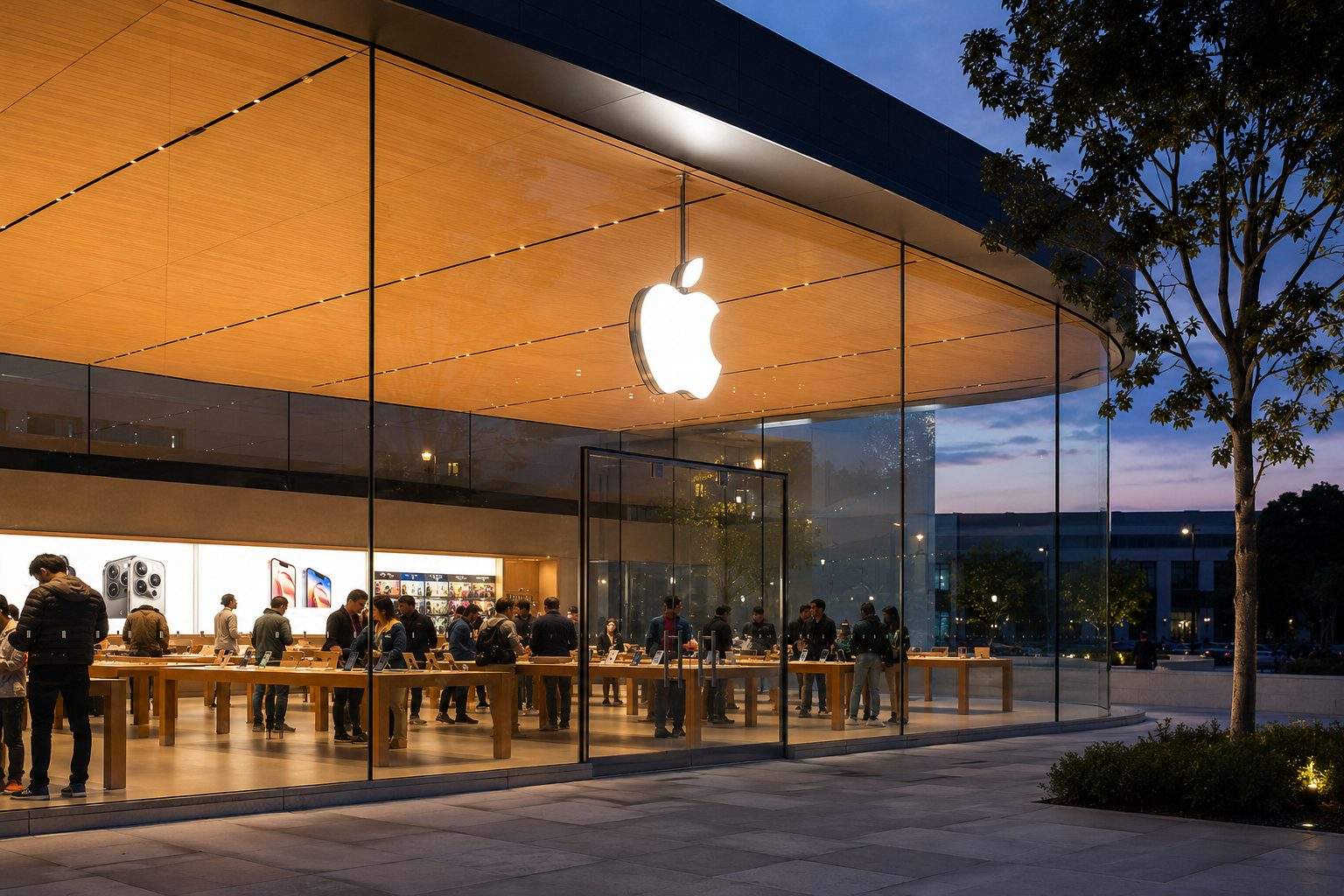
Apple has reached a $250 million settlement to resolve a U.S. class action accusing it of false advertising over delayed Siri AI features, according to a court document. Filed Tuesday in San Jose federal court, the agreement—still subject to a judge’s signoff—does not require Apple to admit any wrongdoing. The deal addresses one of the consumer lawsuits linked to Apple’s Apple Intelligence launch.
The timing is delicate for Apple. The company is aiming to restore trust in Apple Intelligence—its AI features for iPhone, iPad, and Mac—after pledging an upgraded, more personal Siri. That promise came as competitors pushed ahead with generative AI, which creates text, images, and other content from user prompts.
The lawsuit throws a wrench into Apple’s iPhone upgrade narrative. According to the complaint, plaintiffs allege Apple’s marketing convinced customers they’d see better Siri capabilities on the latest models. The Guardian reports a Morgan Stanley survey highlighted that, for would-be iPhone buyers, an upgraded Siri topped their wish list.
The lawsuit, a class action led by specific plaintiffs on behalf of a broader group, applies to U.S. buyers who picked up eligible devices from June 10, 2024, through March 29, 2025. According to the settlement agreement, the covered models are iPhone 16, iPhone 16e, iPhone 16 Plus, iPhone 16 Pro, iPhone 16 Pro Max, iPhone 15 Pro, and iPhone 15 Pro Max.
Most eligible claimants are looking at a default payout of $25 per device, though the actual amount could climb to $95 depending on how many valid claims are filed and a few other variables. The settlement’s $250 million fund is non-reversionary—meaning whatever portion isn’t distributed won’t revert to Apple, according to the proposed agreement.
Apple spokesperson Marni Goldberg told The Verge the company “resolved this matter to stay focused” on its products and services. Apple highlighted it’s rolled out dozens of Apple Intelligence features—Visual Intelligence, Live Translation, Writing Tools, Genmoji, Clean Up among them. The Verge
The conflict stems from Apple’s 2024 marketing campaign. During its Worldwide Developers Conference that year, Apple rolled out Apple Intelligence, touting it as a system that merges generative models with users’ personal context. The company also highlighted new Siri capabilities—features designed to pull data from multiple apps and carry out tasks for users.
Competition is heating up. On Tuesday, Reuters said Apple is working to allow users to pick third-party AI models for certain features in iOS 27, iPadOS 27, and macOS 27—part of its push to keep pace with Alphabet and Microsoft, both of which have launched AI features at a faster clip.
Plaintiffs’ counsel cast the settlement as a shot across the bow for AI marketing. Brian Danitz, interim co-lead counsel and partner at Cotchett, Pitre & McCarthy, said it was “one of the largest in a false advertising case.” Ryan Clarkson, who leads Clarkson Law Firm, described companies and regulators as standing “at an inflection point with AI.” Business Wire
Apple was under fire before for these ads. The Better Business Bureau’s National Advertising Division found Apple misled consumers by implying the new AI-driven Siri was “available now,” the Guardian reported. Apple ended up pulling the ads in question. The Guardian
The payout isn’t set in stone yet. U.S. District Judge Noël Wise has a preliminary approval hearing lined up for June 17 at 9 a.m. in San Jose. What people actually receive per device will hinge on the number of valid claims filed, along with court-approved fees, costs for notifying claimants, and any objections that come up.
Apple may have dodged a lawsuit with the settlement, but the real challenge still looms: can it actually pull off the Siri revamp it’s pitched as central to its AI strategy? New Siri features are due for a reveal at Apple’s developer conference next month, according to Apple execs cited by Reuters.
Related articles: NASDAQ:AAPL


![Asia Stock Market Today 28/08/2026 [UPDATE: 00:51 SGT] [Salesforce Leads KASE Global Into Final Minutes After Asia’s Split Close]](https://ts2.tech/wp-content/uploads/2026/08/Asia-market-dashboard-2026-08-28-0051-480x384.jpg "Asia Stock Market Today 28/08/2026 [UPDATE: 00:51 SGT] [Salesforce Leads KASE Global Into Final Minutes After Asia’s Split Close]")