
SYDNEY, April 24, 2026, 17:25 AEST
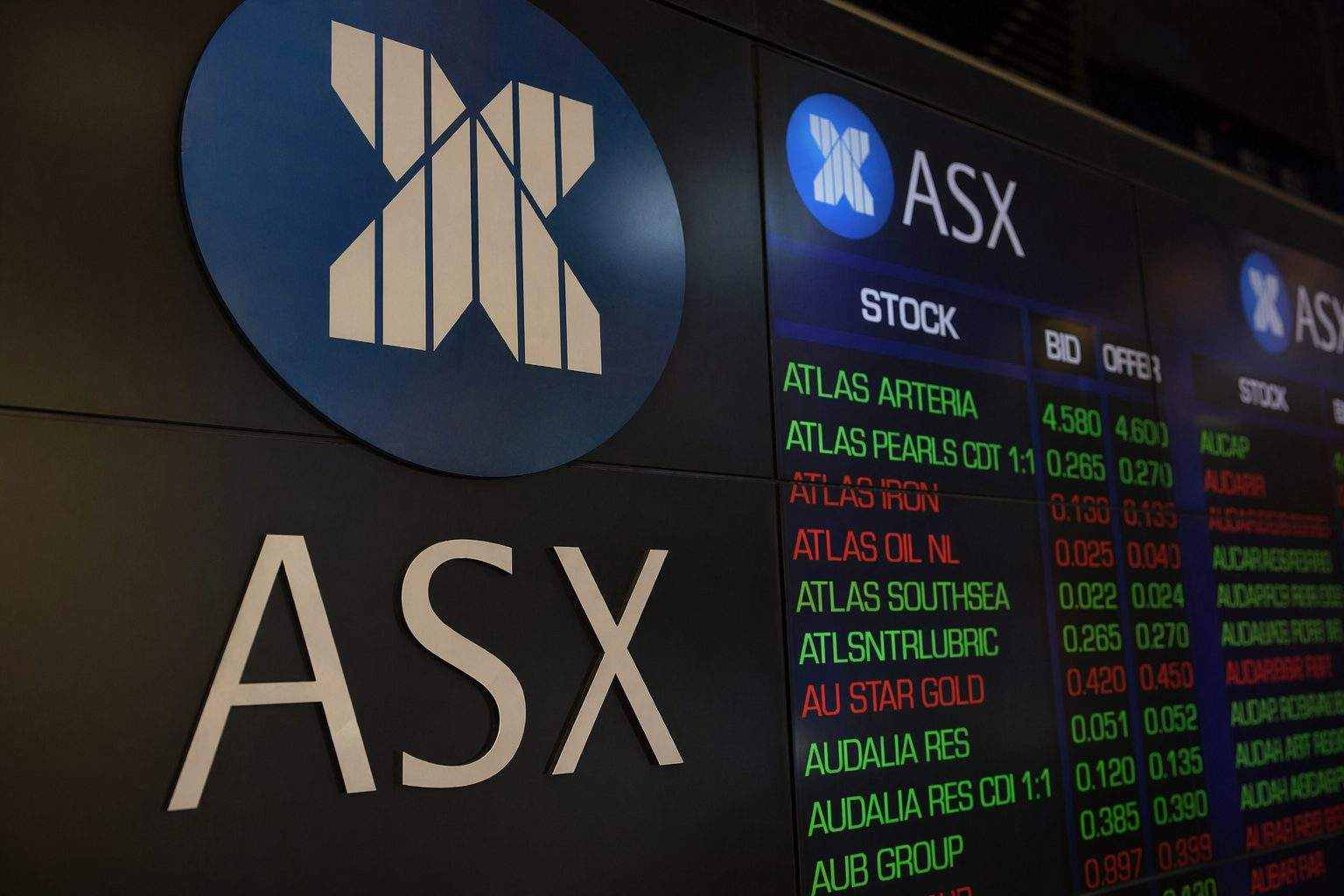
Australian stocks notched a fourth consecutive decline on Friday, with the S&P/ASX 200 edging down 6.9 points, or roughly 0.1%, to finish at 8,786.5. The All Ordinaries index slipped 0.2% to 9,006.4. Over the last five sessions, the benchmark has dropped 1.8%.
This shift is significant: worries have spilled beyond global jitters. Crude holding above $105 a barrel is now weighing on Australia’s shares, feeding into expectations for interest rates. Investors are watching for March inflation numbers, out April 29, ahead of the Reserve Bank of Australia’s 2:30 p.m. policy call on May 5.
Instead of a broad selloff, investors favored a rotation. Defensive sectors like utilities, energy, and consumer staples proved resilient, clinging to steady gains. Basic materials, industrials, and real estate, however, took the brunt of the slide, according to ABC market data.
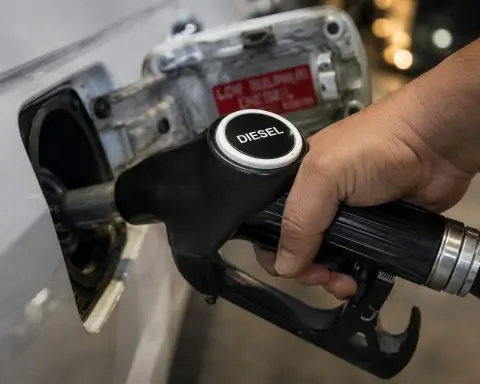
Brent crude hovered near $105.48 a barrel late in Sydney, with U.S. crude holding around $95.96. Persistent gridlock in the Strait of Hormuz continued to stoke fuel-security concerns. On Wall Street, the S&P 500 ended down 0.4%, while the Nasdaq shed 0.9% overnight.
Vishnu Varathan, who heads macro strategy for APAC at Mizuho, told Reuters that expecting a “linear de-escalation” in violence, oil prices, or volatility would be misguided. According to Varathan, investors are still positioning on the chance the crisis might resolve soon, but hardly anyone is relying on that outcome as their main scenario. Reuters
Energy stocks stood out. “Markets are pricing a meaningful supply risk premium,” said Jimmy Tran, dealing manager at Moomoo, noting about 20% of global oil flows through the Strait of Hormuz. If prices remain high, Woodside, Santos, and Beach Energy could gain, he added. Indo Premier
Suncorp shares rallied, closing up 4.9% at A$17.12 after the insurer secured a five-year aggregate reinsurance cover. The deal brings A$800 million in annual protection—A$2.4 billion total over five years, according to Suncorp. Reinsurance, which insurers use to offset major claims, was at the heart of the move.
Suncorp’s acting chief executive Jeremy Robson said the new cover should deliver “reduced volatility in earnings.” The company put out a forecast for gross written premium growth of roughly 3% for fiscal 2026. Gross written premium refers to the total premium income an insurer books, before subtracting reinsurance and other costs.
Miners dragged the index lower. Shares in IGO plunged 17.3% to A$7.06 after the company slashed its fiscal 2026 production forecast for Greenbushes spodumene, now expecting 1,375-1,425 kilotonnes instead of the earlier 1,500-1,650 kilotonnes, and also raised its unit cash-cost estimate.
The decline followed IGO’s report that its average realised spodumene price jumped to $1,668 a tonne—almost twice as high. Greenbushes posted a 75% EBITDA margin. EBITDA stands for earnings before interest, tax, depreciation and amortisation; it’s widely used as an indicator of operating profit, stripped of certain costs.
On the Sydney exchange, 609 stocks declined while 489 advanced, according to Investing.com. Summerset Group, Suncorp, and Austal stood out among top ASX 200 gainers. On the flip side, IGO, EVT, and Contact Energy posted the session’s steepest drops.
There’s a real chance the trade flips fast. If tensions in the Middle East ease, oil might slide and energy stocks could cool off. On the flip side, another fuel price jump—or a higher CPI next week—would squeeze rate-sensitive areas like real estate, zeroing traders in on the RBA’s call in May.