
TORONTO, May 22, 2026, 09:09 EDT
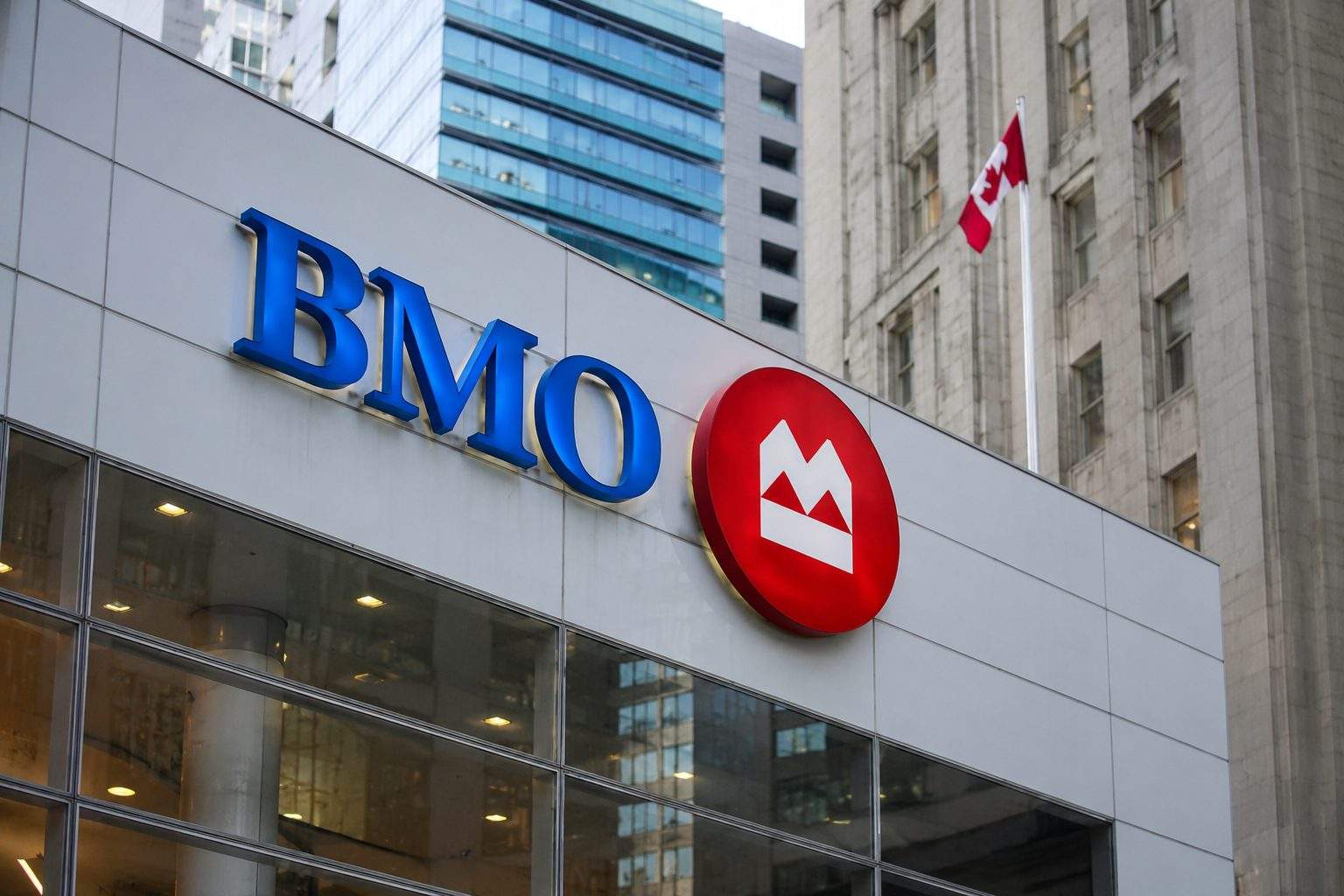
Canaccord Genuity kept a Buy on Bank of Montreal ahead of the Canadian bank’s quarterly report next week. Canaccord analyst Matthew Lee maintained the rating, TipRanks said. BMO shares ended the last session at C$216.82.
BMO will report its fiscal Q2 results on May 27 around 6 a.m. ET, before Toronto’s regular session starts. The TSX opens for regular trading at 9:30 a.m. ET and closes at 4 p.m. ET.
Canadian bank stocks are steady. Reuters said financial shares lifted the S&P/TSX Composite Index on May 20, as the sector gained 1.9% before quarterly results.
BMO shares in Toronto finished at C$220.06 on May 21, gaining 1.49% for the day and coming in just under the 52-week high of C$220.70. Shares have climbed 23.5% since the start of 2026, MarketBeat says.
BMO’s analyst ratings remain mixed. TradingView, using FactSet data, now puts the average 12-month target at $155.12, up from $154.33. Out of 15 analysts, the consensus is Hold, with just four rating BMO a Buy, eight saying Hold, and three at Sell.
BMO goes into the earnings print showing stronger credit numbers than last year. In February, the bank posted first-quarter adjusted net income of C$2.55 billion, or C$3.48 per share. Provision for credit losses came in at C$746 million, dropping from C$1.01 billion a year ago. The Common Equity Tier 1 ratio was 13.1%. CEO Darryl White said, “Credit is well-managed and in-line with our expectations.” BMO Newsroom
BMO’s quarter got a lift from wealth management, capital markets, and better results out of the U.S. unit. Reuters reported in February that the bank topped profit estimates thanks to lower credit provisions and revenue gains in every segment.
BMO has been cutting some lines. The bank said on May 11 it will sell its transportation finance and vendor finance arms to Stonepeak, with the combined loan and lease book worth about C$14.5 billion across the U.S. and Canada. BMO expects the sale to push up its CET1 ratio by around 28 basis points, or 0.28 percentage point, but warned of a C$900 million after-tax hit in Q3. “We are prioritizing capital toward strong potential for long-term value creation,” said Aron Levine, president of BMO U.S. BMO Newsroom
Other analyst moves suggest Canaccord’s call isn’t the only factor for BMO. TipRanks data showed Bank of America Securities bumped its target to C$224 from C$210 on May 19 but left its Hold. Raymond James pushed its target higher too, to C$227 from C$214 on May 12 and held onto a Buy. Jefferies stuck with a Hold on May 20 and set a C$196 target.
Bank of Nova Scotia and Toronto-Dominion Bank are in Lee’s coverage group too, and BMO lands in that same set of Canadian lenders where investors are watching credit costs, how much U.S. exposure matters, and whether there’s more upside left after shares rallied.
The trade isn’t without risk. BMO warned the Stonepeak deal still faces regulatory hurdles and could fall short on capital and return goals if closing terms, business, or the macro picture—like rates or FX—shift. The stock’s rally also means there’s less cushion if results on May 27 show loan growth cooling or a new uptick in credit reserves.
BMO still has a Buy rating from Canaccord, which is keeping the analyst outlook positive. The real question shifts to next week, when results are due. The stock is close to its high, so the numbers will have to back that up.





![Asia Stock Market Today 29/08/2026 [UPDATE: 00:55 SGT] [PayPal and Nvidia Sink as KASE Global Nears Weekend Close]](https://ts2.tech/wp-content/uploads/2026/08/Asia-market-dashboard-2026-08-29-0053-480x384.jpg "Asia Stock Market Today 29/08/2026 [UPDATE: 00:55 SGT] [PayPal and Nvidia Sink as KASE Global Nears Weekend Close]")