
CHANTILLY, Virginia, June 17, 2026, 13:04 EDT
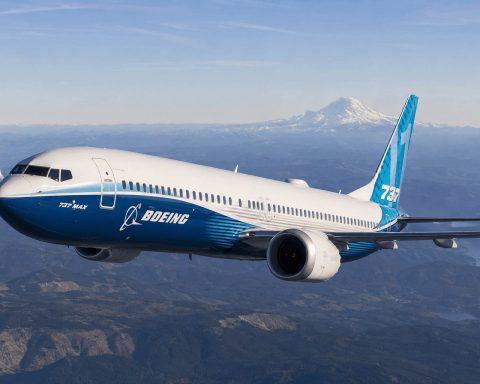
- Boeing’s 737 MAX 7 and MAX 10 are close to clearing U.S. and European regulatory approval, officials said. Most of what’s left is paperwork.
- The timing is key for Boeing’s cash rebound and for airlines like Southwest and Gol, both relying on delayed MAX models in their fleet plans.
- Boeing’s main technical snag is an engine anti-ice system that can overheat if it runs too long in dry air.
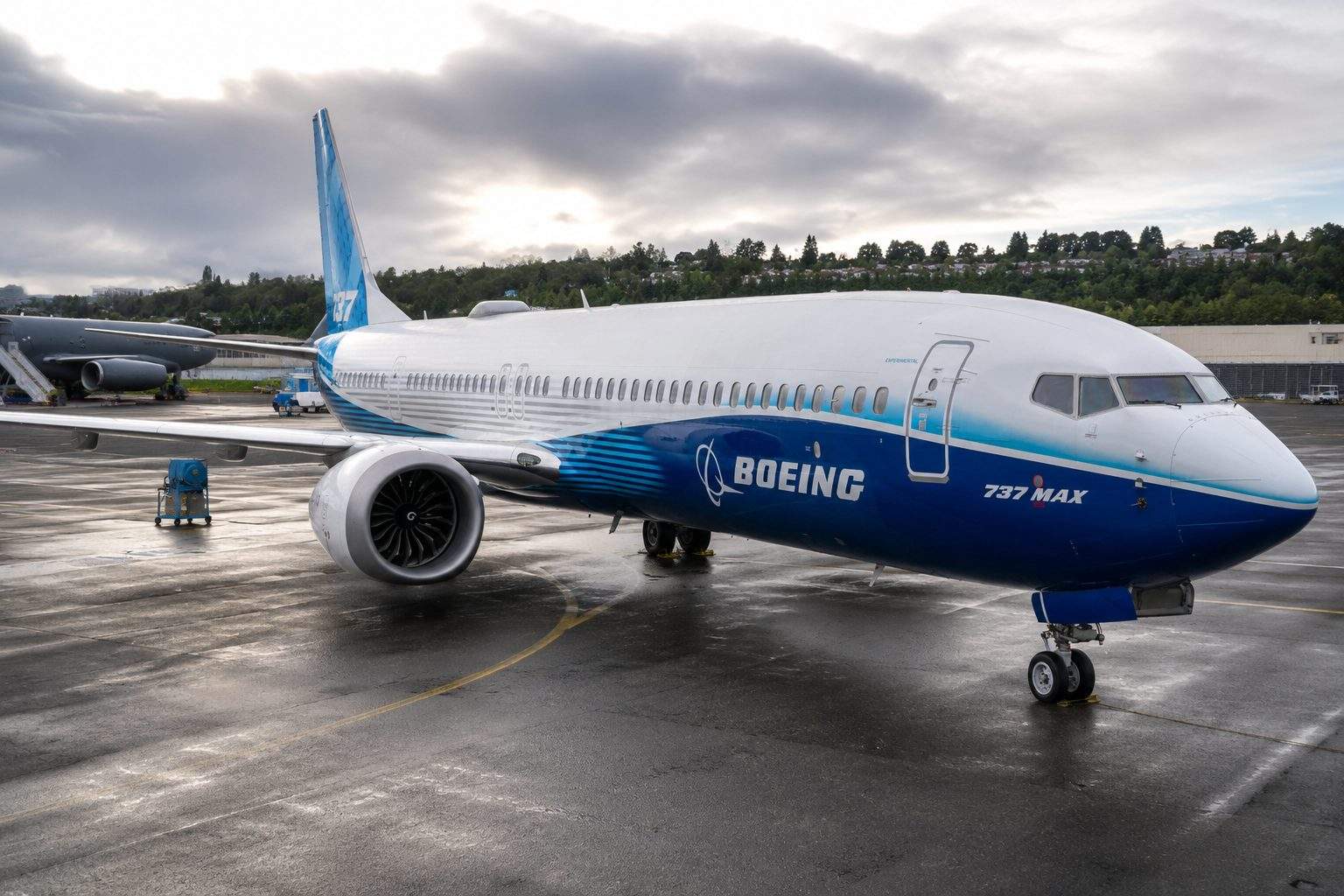
Regulators in the U.S. and Europe are nearly set to sign off on Boeing’s 737 MAX 7 and MAX 10 jets, moving them closer to delivery after lengthy delays. FAA Deputy Administrator Chris Rocheleau said certification work in the U.S. is almost complete. Over in Europe, EASA Executive Director Florian Guillermet called approving the MAX 10 a top focus.
Aircraft certification—final safety signoff needed for passenger service—is now a key short-term hurdle for Boeing. The MAX 7 model is a core part of Southwest Airlines’ fleet plan. The bigger MAX 10 targets airlines that want to pack in more seats on high-traffic routes.
The news comes as Boeing looks to ramp up production and cash flow following years of quality issues, delayed deliveries and tighter scrutiny from regulators. Boeing shares last traded $2.72 higher at $230.21 in the U.S. Southwest added 49 cents to $47.92.
Rocheleau told reporters most MAX work left is “dotting i’s and crossing t’s.” The FAA and EASA offices still need to see the planes are ready to fly. Guillermet said regulators are still handling the last tasks and have “a few weeks” to go on the current timeline. Reuters
The FAA has pushed up the timeline from what Administrator Bryan Bedford laid out in late May, when he said the MAX 7 would be certified this summer and the MAX 10 by the end of the year. Bedford at the time also said FAA was fine with Boeing ramping up to 47 737 MAX jets a month from 42, after an earlier cap was set following the 2024 Alaska Airlines mid-air panel blowout.
Boeing’s latest delay is mostly about the engine anti-ice system, which heats the engine inlet to stop ice forming. In 2023, the FAA warned that running this system in dry air for over five minutes in some cases could overheat the engine inlet’s inner barrel, causing heavy cowl damage. The FAA told airlines to update flight manuals and minimum equipment lists.
Southwest, main customer for the MAX 7, now sees the jet starting revenue flights in 2027. Chief Operating Officer Andrew Watterson told Reuters the airline needs around six months post-certification to update operating specs and manuals. “The clock starts when they certify it,” he said. Reuters
Watterson said the delay hasn’t blocked any routes, but now Southwest has more larger jets than it needs and not enough smaller aircraft for markets with lighter demand. He said the airline will stick with the MAX family and won’t bring in a second fleet type, saying that running another kind of plane “can increase your risk.” Reuters
The MAX 10 is a key piece for Boeing in the single-aisle segment. The company has over 1,200 MAX 10s in its backlog, Cirium data shows, as reported by Reuters. The model goes up against the Airbus A321neo at the upper end of the category.
Boeing wants to lift output. CEO Kelly Ortberg told CNBC this month the company is looking at whether it could one day hit 70 737 MAX jets per month, topping its 63-jet goal. Airbus is targeting 70 to 75 A320neo-family jets a month by the end of 2027.
Brazil’s ANAC is following the same process. Tiago Faierstein, the agency’s chief, told Reuters last week he sees FAA certification for the MAX 10 coming this year and said Brazil will move fast to approve it. He said Gol “really needs these aircraft.” Reuters
But approval doesn’t guarantee quick deliveries. Boeing still needs to wrap up the paperwork and finish any needed changes without another technical slip. Airlines have to do their own induction work, too. The MAX 10 also comes to a market where Airbus has made gains during Boeing’s delays. Scott Hamilton, principal at Leeham Company, summed up the risk earlier this year: “It’s progress, but until” the MAX 10 “is certified, it’s not.” Reuters
Related articles: NYSE:BA