
London, Feb 4, 2026, 11:45 GMT — Regular session underway.
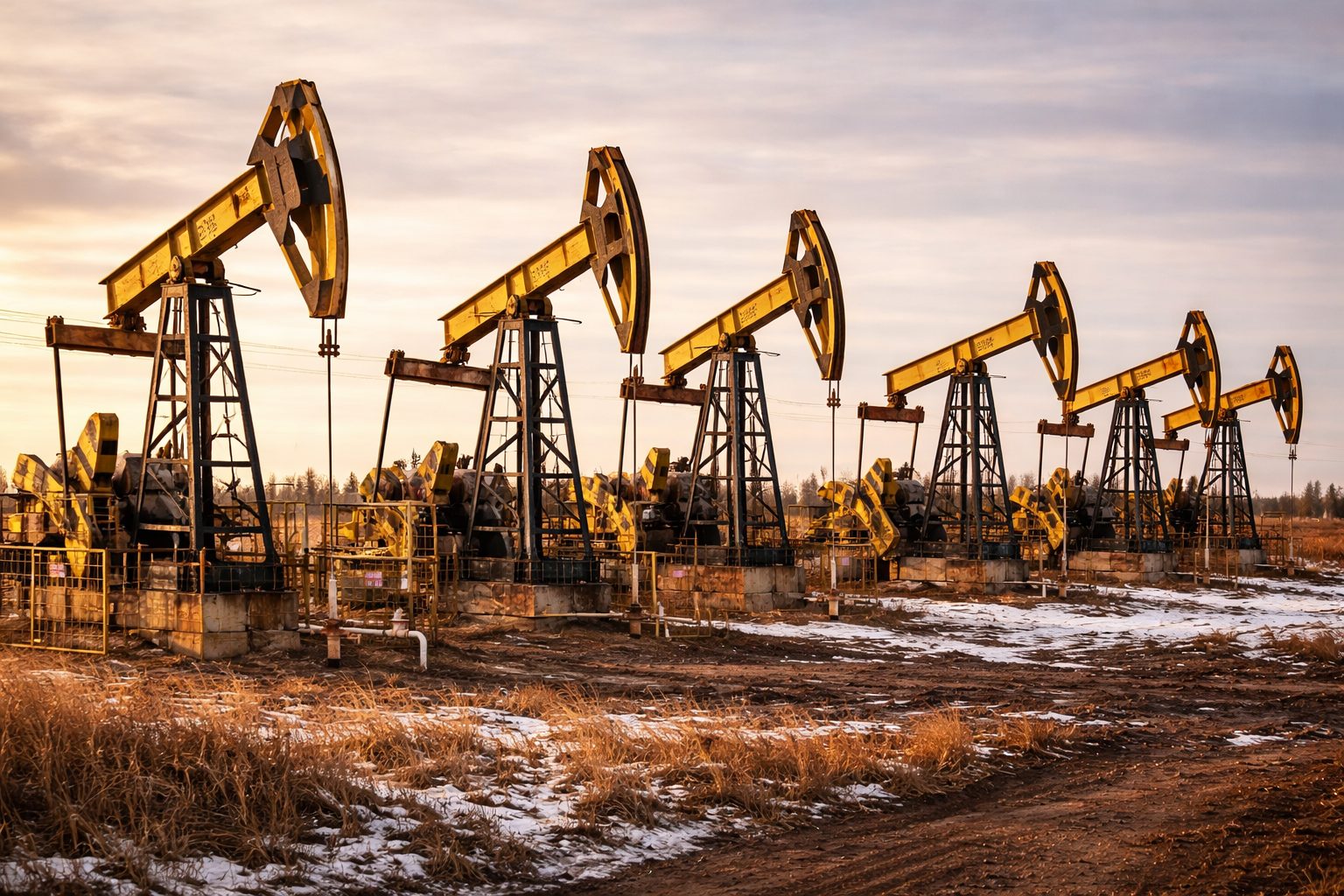
Brent crude futures climbed 46 cents, or 0.7%, to $67.79 a barrel by 1034 GMT Wednesday, reacting to the U.S. downing an Iranian drone and reports of Iranian gunboats near a U.S.-flagged tanker, sparking fresh concerns over supply disruptions. U.S. West Texas Intermediate gained 52 cents, or 0.8%, to $63.73, though a wider equity selloff limited upside. PVM analysts noted oil “would be lower without Middle Eastern sabre-rattling.” Support also came from industry sources citing the American Petroleum Institute (API), which reported a drop in U.S. crude inventories of over 11 million barrels last week. Meanwhile, traders braced for official U.S. government data due at 1530 GMT; Reuters’ poll of analysts anticipates a rise in crude stocks. Reuters
Brent’s behavior has shifted, acting more like a headline-sensitive gauge than a steady macro indicator, with its risk premium flipping on and off. On Monday, it dropped 4.4%, closing at $66.30. This came after President Donald Trump said Iran was “seriously talking” with Washington, and OPEC+ — the cartel plus Russia and allies — decided to hold output steady for March. Reuters
The next hurdle is diplomatic. The U.S. and Iran are set to meet in Oman on Friday, following Tehran’s request to change the location and narrow the talks to its nuclear program, a regional official said. This comes as the U.S. ramps up its military presence in the Middle East.
Tuesday’s close set the tone: Brent gained $1.03, or 1.6%, ending at $67.33, with WTI at $63.21. Bob Yawger, director of energy futures at Mizuho, noted in a report that “the diplomatic effort to avoid a U.S. military strike in Iran is unravelling.” Reuters
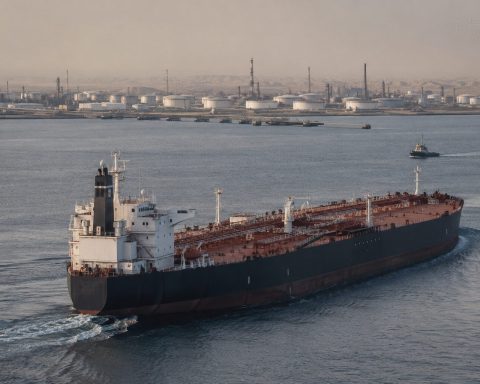
Iranian gunboats drew close to the Stena Imperative in the Strait of Hormuz, just north of Oman, according to maritime and security sources. Vanguard reported the boats ordered the tanker to stop its engines and get ready for boarding, but the ship accelerated and made off, escorted by a U.S. warship. The UK Maritime Trade Operations confirmed armed boats tried to intercept a vessel 16 nautical miles north of Oman. Iran’s semi-official Fars news agency later quoted unnamed officials denying any security incident.
Outside the Gulf, investors are eyeing demand cues. Trump revealed a trade deal with India that slashes U.S. tariffs on Indian goods from 50% down to 18%. In return, India would stop buying Russian oil and instead purchase oil from the U.S. and possibly Venezuela.
Russia’s war in Ukraine adds fresh complexity for crude traders. Zelenskiy charged Russia with striking Ukraine’s energy infrastructure using hundreds of drones and an unprecedented volley of ballistic missiles. This comes as Kyiv prepares for U.S.-brokered talks in Abu Dhabi later this week.
Macro factors remain in play, even as geopolitics grabs the spotlight. Commodities took a sharp hit Monday, dragged down by a broader market selloff sparked by Trump’s nomination of Kevin Warsh for Fed chair and a firmer dollar—bad news for dollar-priced oil. “A stronger U.S. dollar is also adding pressure on precious metals and other commodities, including oil and base metals,” noted Vivek Dhar, commodities strategist at Commonwealth Bank of Australia. Reuters
The reverse is also true. Should Friday’s meeting signal de-escalation, or if U.S. inventory numbers reveal a steep build rather than a draw, the risk premium on Brent could evaporate quickly.
Traders are zeroing in on the U.S. Energy Information Administration’s weekly petroleum status report, released after 10:30 a.m. EST (15:30 GMT) on Wednesdays. The focus will then shift to the scheduled U.S.-Iran talks in Oman on Friday, searching for any signs the standoff might ease—or escalate.
Related articles: Energy Markets