
Today: 21 July 2026
Browse Category

Data Security 24 June 2025 - 19 November 2025

Tech Shockers: Space Force Rocket Triumph, Massive Data Leaks & Gadget Surprises (Aug 12–13, 2025)

Tech Shockers: Space Force Rocket Triumph, Massive Data Leaks & Gadget Surprises (Aug 12–13, 2025)

United Launch Alliance successfully launched its first operational Vulcan rocket, carrying two satellites on a U.S. Space Force mission Spaceflightnow. This USSF-106 flight marks the Vulcan’s debut as a fully certified national security launcher, slated to replace ULA’s Atlas V and Delta IV rockets Spaceflightnow. The 198-foot Vulcan, boosted by four solid boosters and Blue Origin’s BE-4 engines, thundered off the pad at Cape Canaveral, reaching geosynchronous transfer orbit. “This mission is headed directly to geosynchronous orbit and will be one of our longest missions to date,” said ULA VP Gary Wentz, noting Vulcan was “purposely designed to support these [direct-to-geo] missions” for the Space Force Spaceflightnow. The successful launch is a major milestone for ULA as it pivots to an all-Vulcan fleet in competition with SpaceX’s Falcon rockets Spaceflightnow.
Quantum Leap: Satellite QKD’s Race to Secure the Global Data Economy (2024–2031)

Quantum Leap: Satellite QKD’s Race to Secure the Global Data Economy (2024–2031)

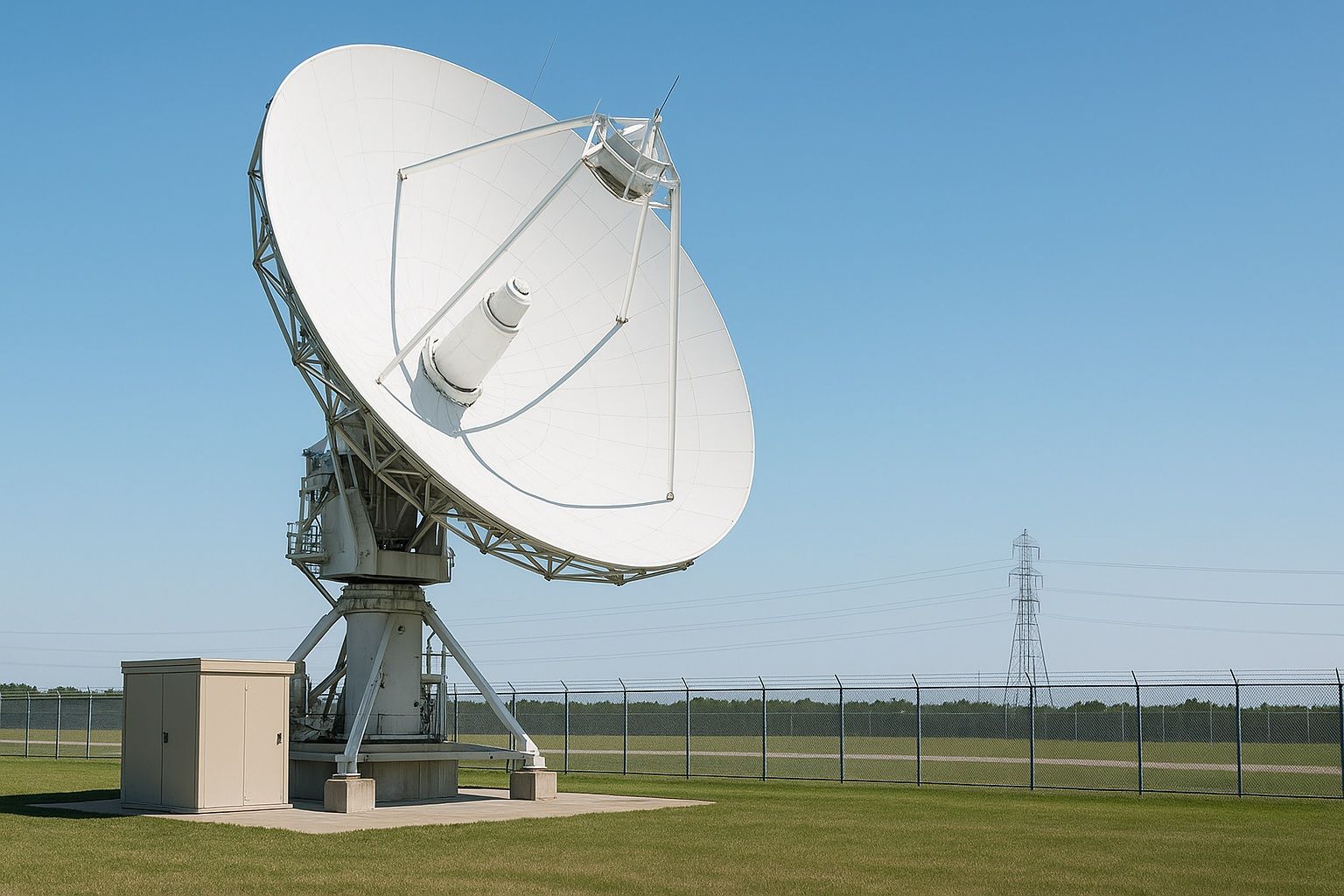
Quantum Key Distribution via satellite is poised to become a cornerstone of cybersecurity in the coming decade, addressing the looming threat that quantum computers pose to today’s encryption. Between 2024 and 2031, this nascent sector is expected to transition from experimental pilots to early commercial services, driven by an urgent need for quantum-safe communications. Governments and industry are investing heavily: the global QKD market is projected to grow from about $480 million in 2024 to $2.6 billion by 2030. Space-based QKD – leveraging satellites to extend quantum-secure links worldwide – is a key subset, anticipated to reach roughly $1.1 billion by 2030. Major powers such as China, Europe, and the US have launched ambitious programs to develop quantum-secure satellite networks, viewing them as strategic assets for national security and data sovereignty. Commercial players, from established tech firms to startups, are also entering the fray with innovative partnerships and planned satellite deployments.
Go toTop