Today: 18 July 2026
Browse Category

NASDAQ:QCOM 29 May 2025 - 17 August 2025

Xiaomi’s Foldable Showdown: Mix Fold 4 & Mix Flip vs Mix Fold 3 – Does Xiaomi’s New Foldables Crush Last Year’s Champ?

Xiaomi’s Foldable Showdown: Mix Fold 4 & Mix Flip vs Mix Fold 3 – Does Xiaomi’s New Foldables Crush Last Year’s Champ?

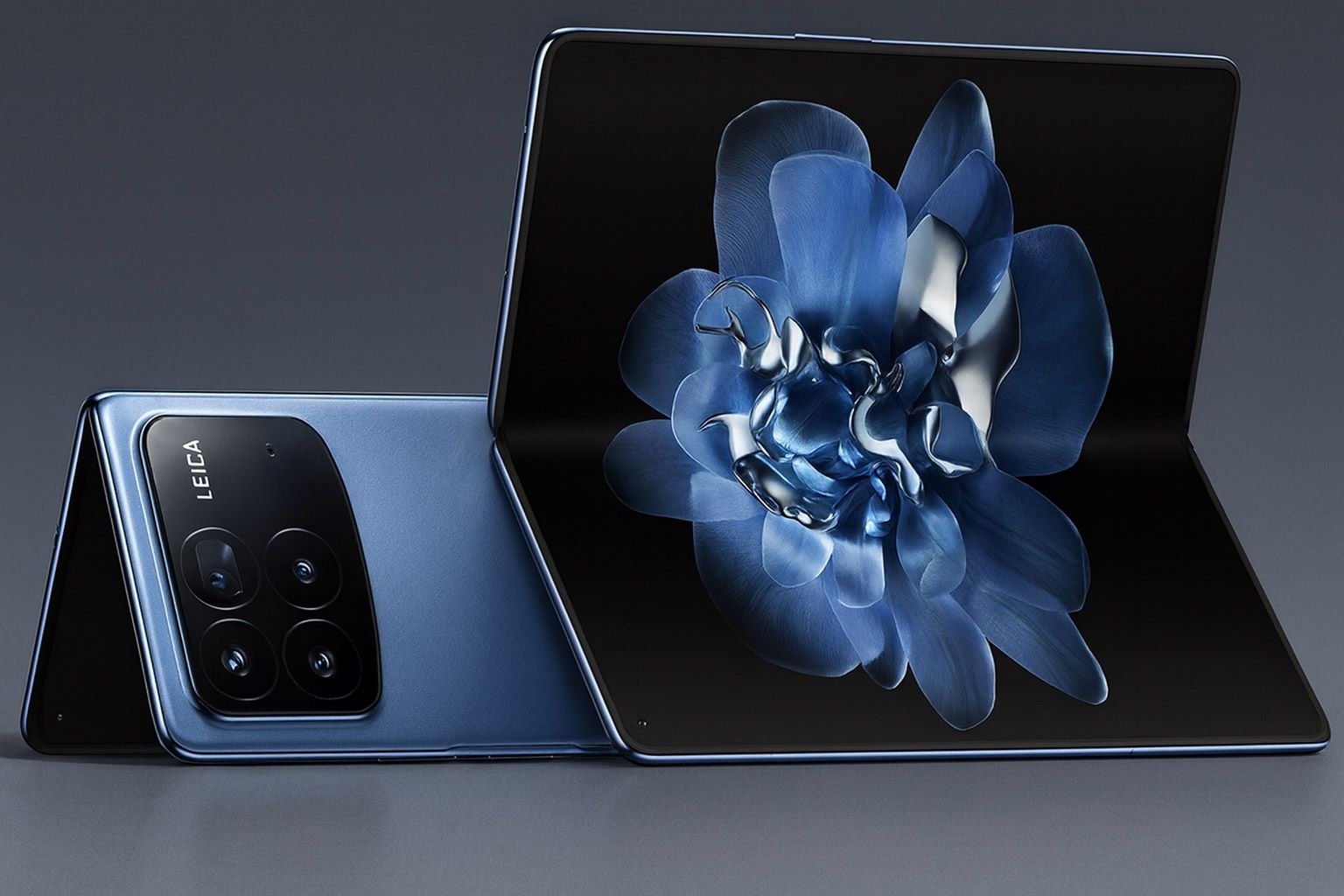
Xiaomi’s latest foldable duo – the Mix Fold 4 and Mix Flip – enter the scene as the company’s most advanced foldable phones yet, going head-to-head with both their predecessor and rival devices from Samsung, Honor, Huawei, Oppo, and more. The Mix Fold 4 refines Xiaomi’s tablet-style folding phone formula with a thinner, lighter build, upgraded internals, and an improved camera system, while the Mix Flip is Xiaomi’s first clamshell-style foldable aiming to challenge Samsung’s Galaxy Z Flip series. Meanwhile, last year’s Mix Fold 3 was already a high-end contender, packing a Snapdragon 8 Gen 2 chip and quad-camera setup at a competitive price point notebookcheck.net. In this comprehensive comparison, we’ll examine specifications, design differences, performance, software, cameras, battery life, pricing, and availability for these devices. We’ll also highlight expert opinions and see how the new Mix Fold 4 and Mix Flip stack up against the older Mix Fold 3 – and whether the Fold 3 still offers good value in 2025.
17 August 2025
Next-Gen Laptop Chip Showdown: Intel’s Lunar Lake vs. AMD’s Ryzen AI vs. Qualcomm’s X Elite – Who Wins the AI PC Crown?

Next-Gen Laptop Chip Showdown: Intel’s Lunar Lake vs. AMD’s Ryzen AI vs. Qualcomm’s X Elite – Who Wins the AI PC Crown?

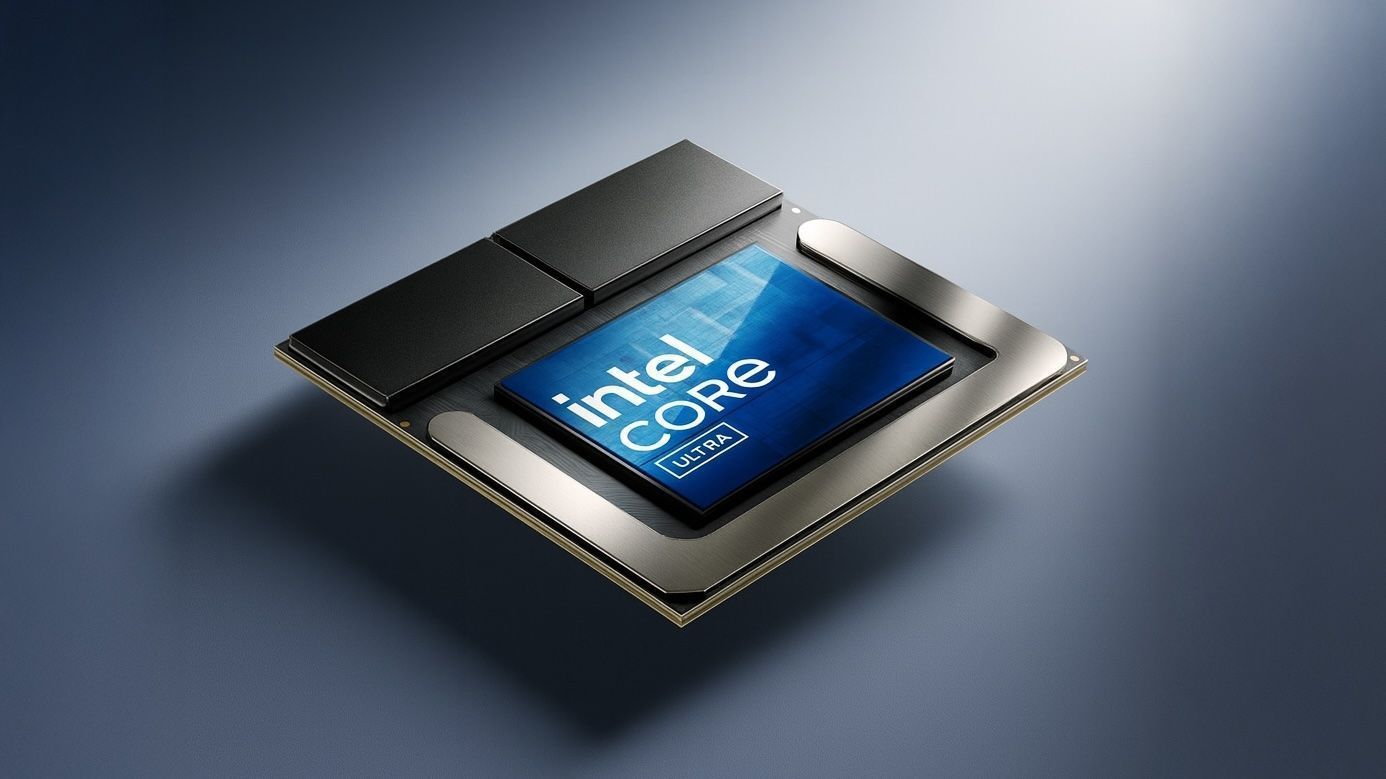
Intel Core Ultra 200V “Lunar Lake”: Intel’s Lunar Lake is a mobile System-on-Chip built for ultra-thin laptops with a focus on power efficiency. It introduces a disaggregated multi-tile design on TSMC’s 3 nm node for the compute die. The CPU combines 4 high-performance “Lion Cove” P-cores and 4 efficient “Skymont” E-cores with no Hyper-Threading on the P-cores. This is a change aimed at reducing power and area – dropping SMT saves ~15% die area and improves perf/W by ~5%. Instead, Intel boosted single-thread IPC and enlarged caches en.wikipedia.org. The E-cores saw an even bigger uplift: Skymont brings a massive +68% IPC over the previous Crestmont E-core, partly by widening integer execution. All CPU cores, plus the GPU and NPU, now reside on the same 3 nm compute tile. Intel openly stated its goal with Lunar Lake was to “bust the myth that x86 can’t be as efficient as ARM” by achieving unprecedented performance-per-watt.
6G Terahertz Showdown: Samsung’s 140 GHz Testbed vs. Qualcomm’s 6G Foundry in the 0.3 THz Race

6G Terahertz Showdown: Samsung’s 140 GHz Testbed vs. Qualcomm’s 6G Foundry in the 0.3 THz Race

The wireless industry is hurtling toward the 6G era, where data may transmit at terahertz frequencies with fiber-optic-like speeds. In labs across the globe, engineers are already experimenting in bands far above today’s 5G frequencies – from Samsung’s 140 GHz testbed pushing multi-gigabit links news.samsung.com, to Qualcomm’s 6G Foundry initiative rethinking networks from AI to spectrum use fierce-network.com. Even other industry players, like LG and NTT DoCoMo, have demonstrated 0.3 THz-range wireless links that hint at ultra-fast 100 Gbps data rates wca.org. This report dives into each of these efforts – the recent breakthroughs, the frequency bands and use cases they target, and what these early 6G demos mean for consumers and mobile infrastructure as we race toward 2030 for 6G’s debut.
Framework vs XPS vs Galaxy Book4 Pro 360: Ultraportable Laptop Showdown 2025

Framework vs XPS vs Galaxy Book4 Pro 360: Ultraportable Laptop Showdown 2025

Three cutting-edge laptops are vying for the crown of best ultraportable in 2025: the Framework Laptop 12, Dell XPS 13, and Samsung Galaxy Book4 Pro 360. Each takes a very different approach. The Framework 12 is all about repairability and customization, letting you build and upgrade it yourself. Dell’s latest XPS 13 is an ultraportable powerhouse with an innovative ARM-based chip that delivers record-breaking battery life. Samsung’s Galaxy Book4 Pro 360 is a luxurious 16-inch 2-in-1 with a gorgeous AMOLED touchscreen and loads of features. We compare their performance, displays, battery endurance, design, connectivity, input devices, upgradability, software, pricing, and more – complete with expert review opinions. Which laptop best balances portability, power, and value? Let’s break it down.
Self-Driving Supercomputer Showdown: NVIDIA Drive Thor vs Tesla FSD Hardware 4 vs Qualcomm Snapdragon Ride Flex

Self-Driving Supercomputer Showdown: NVIDIA Drive Thor vs Tesla FSD Hardware 4 vs Qualcomm Snapdragon Ride Flex

The race to power fully autonomous vehicles has spawned a new generation of automotive supercomputers. NVIDIA’s Drive Thor, Tesla’s Full Self-Driving Hardware 4, and Qualcomm’s Snapdragon Ride Flex are three cutting-edge platforms vying to be the “brain” of tomorrow’s self-driving cars. Each system promises unprecedented AI performance and capabilities, from advanced sensor fusion and neural network processing to integrated in-cabin experiences. This report provides a comprehensive comparison of these platforms – their technical specs, performance metrics, features, vehicle integrations, and roadmaps – highlighting the latest developments as of August 2025. Industry experts and company leaders weigh in on how these AI driving chips stack up, and what their emergence means for the future of autonomous and software-defined vehicles.
RISC-V vs ARM vs x86: The 2025 Silicon Architecture Showdown

RISC-V vs ARM vs x86: The 2025 Silicon Architecture Showdown

The battle for computing supremacy is heating up in 2025, as three major CPU architectures – RISC-V, ARM, and x86 – vie for dominance. These instruction set architectures underpin everything from tiny IoT sensors to supercomputers. x86 has ruled PCs and servers for decades, ARM now powers virtually all smartphones, and newcomer RISC-V is exploding in popularity as an open alternative. Each has unique strengths: x86 offers brute-force performance and a vast software legacy, ARM boasts efficiency and a mature mobile/embedded ecosystem, and RISC-V’s open design promises unprecedented flexibility and innovation eetimes.eu eetimes.eu. This report provides an in-depth comparison of the three architectures – covering technical foundations, performance, power efficiency, flexibility, licensing, ecosystem maturity, security, hardware implementations, and the latest trends as of mid-2025. We’ll also highlight expert insights, industry quotes, and upcoming products. The stakes are high: whoever leads in this “silicon architecture showdown” will shape the future of computing across mobile devices, cloud data centers, edge AI, and beyond.
AI Titans Clash: Snapdragon X Elite vs Apple M4 vs Exynos 2500 – Which Chip Leads the AI Revolution?

AI Titans Clash: Snapdragon X Elite vs Apple M4 vs Exynos 2500 – Which Chip Leads the AI Revolution?

Artificial intelligence capabilities have become the new battleground for modern processors. Qualcomm’s Snapdragon X Elite, Apple’s M4 chip, and Samsung’s Exynos 2500 represent each company’s latest push in on-device AI. These system-on-chips span categories from laptops to smartphones, yet all aim to deliver blazing AI performance for tasks like image processing, natural language, and real-time computer vision. In this deep dive, we’ll compare their architectures, technical specs, benchmark results, and real-world AI use cases. We’ll also highlight expert commentary and official claims from Qualcomm, Apple, and Samsung about how their AI engines stack up. Let’s see which silicon titan has the edge in the AI era.
XR Revolution Unfolds: Major Spatial Computing News (July 23–24, 2025)

XR Revolution Unfolds: Major Spatial Computing News (July 23–24, 2025)

The past 48 hours have delivered a whirlwind of extended reality and spatial computing developments. From tech giants doubling down on AR/VR hardware and AI-powered headsets, to new partnerships bringing immersive experiences to life, the XR industry is buzzing. Below is a comprehensive roundup of the biggest XR news and insights from July 23–24, 2025 – including product launches, platform updates, expert commentary, regulatory moves, and industry shake-ups.
Smartphone Industry Shake-Up: Massive Launches, Leaks, and a Global Tech Showdown (July 23–24, 2025)

Smartphone Industry Shake-Up: Massive Launches, Leaks, and a Global Tech Showdown (July 23–24, 2025)

Apple’s iOS 26 Enters Public Beta: Apple is on the cusp of a major software release. On July 22, it seeded iOS 26 beta 4 to developers, bringing refinements to the new “Liquid Glass” design language and re-introducing AI-powered news summary notifications Techcrunch Techcrunch. This rollout came just ahead of the first iOS 26 public beta, expected around July 23 for all brave testers Techcrunch. Apple’s beta program will let iPhone users try iOS 26’s features – like the revamped Notification Center with dynamic tinting and the updated Siri and Camera interfaces – a couple months before the official fall launch Techcrunch Techcrunch.
Smartphones vs. Satellite Phones: Are Off-Grid Cell Phones Killing the Satellite Phone?

Smartphones vs. Satellite Phones: Are Off-Grid Cell Phones Killing the Satellite Phone?

Staying connected “anywhere under the sky” is no longer just the promise of bulky satellite phones carried by explorers and mariners. Today, mainstream smartphones are gaining satellite links, letting users send SOS texts from remote mountains or even make calls from the middle of the ocean. This report dives deep into the battle between traditional satellite phones and the new wave of satellite-connected smartphones, exploring current capabilities, upcoming models, and what industry experts predict for the future of off-grid communication.
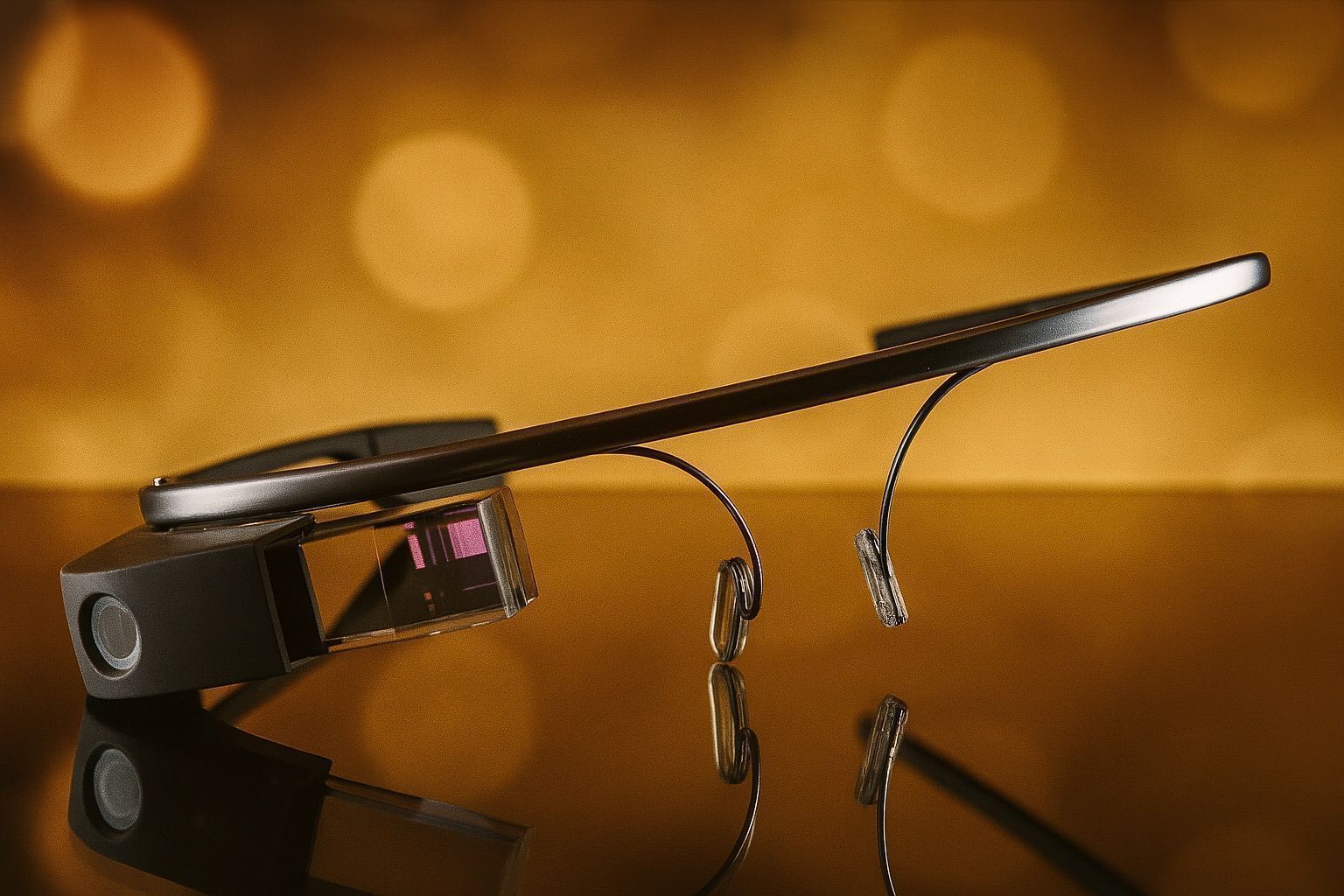
Google Glass: From Futuristic Hype to Privacy Nightmare to Enterprise Hero (2025 Update)

Google Glass: From Futuristic Hype to Privacy Nightmare to Enterprise Hero (2025 Update)

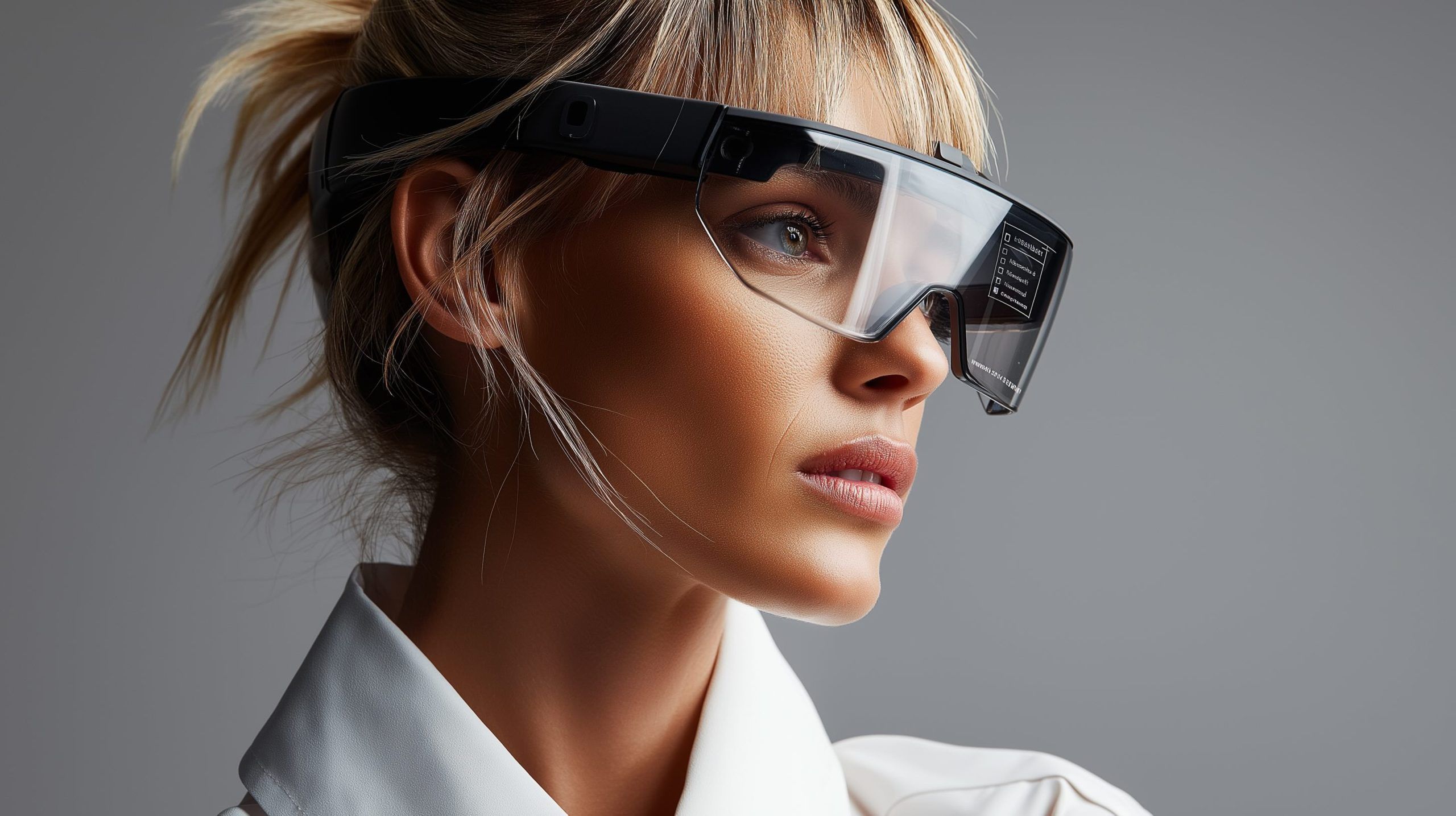
Google Glass burst onto the scene as a futuristic wearable that promised to bring augmented reality to everyday life. First unveiled by Google in the early 2010s, these high-tech smartglasses were hailed as a bold leap into a sci-fi future – wearable tech that could seamlessly stream information into your field of vision. Yet, just as quickly, Glass became mired in controversy and even mockery. Fast forward to 2025, and the story of Google Glass is a rollercoaster of hype, backlash, rebirth, and an unexpected second life. In this report, we’ll delve into the captivating journey of Google Glass – from its ambitious origins and technical innovations, through public blowback over privacy, to its pivot toward enterprise use – and see how it stacks up against today’s newest AR darlings like Apple’s Vision Pro and Microsoft’s HoloLens.
2025’s Hottest Phones Face Off: Flagship vs. Budget (and Feature Phones) and What’s Coming in 2026

2025’s Hottest Phones Face Off: Flagship vs. Budget (and Feature Phones) and What’s Coming in 2026

Smartphones in 2025 span an incredible spectrum – from ultra-premium flagships costing over $1,000 to basic feature phones under $50 that still sell by the millions in emerging markets. Never has the competition been stiffer or more diverse. Top-of-the-line devices from Apple, Samsung, Google, Xiaomi, OnePlus and others push the envelope in design, display technology, performance, and camera innovation. At the same time, mid-range phones are closing the gap with premium models by offering high-end features at a fraction of the price, and feature phones – yes, those “dumb” phones with keypads – remain surprisingly relevant in regions where affordability and battery life trump all.
Samsung Galaxy Buds 3 Pro vs. AirPods, Sony, Bose: Ultimate Earbud Showdown

True Wireless Earbuds in 2025: Comprehensive Comparison of Top Models, Trends & Features

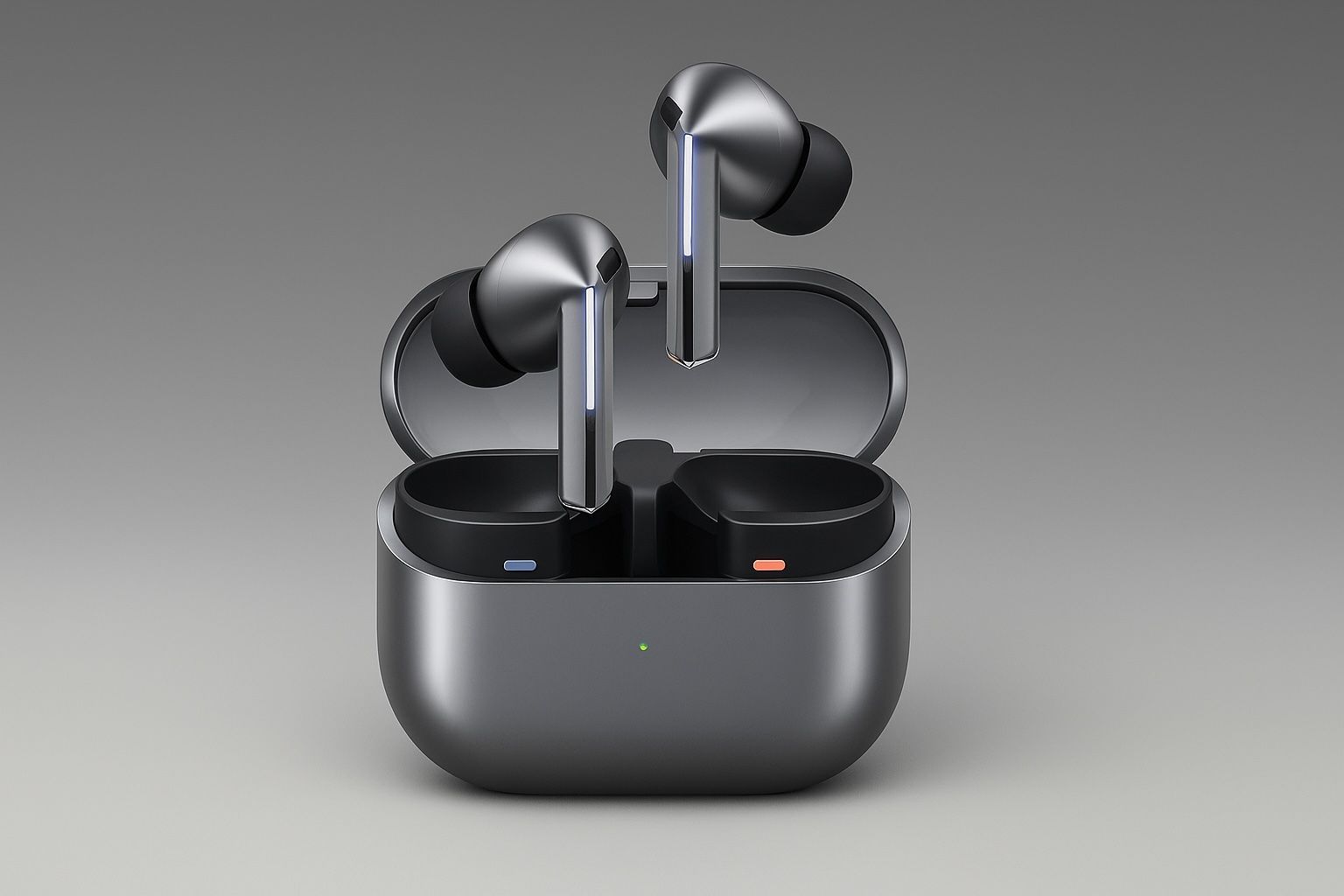
True wireless earbuds have evolved from a tech trend to a daily necessity by 2025. The market is thriving – over 455 million smart personal audio devices shipped in 2024, an 11.2% YoY growth, with TWS accounting for 331.6 million units canalys.com canalys.com. Once dominated by a few premium brands, the landscape now spans every price segment, from budget-friendly buds to high-end audiophile options. Major tech players like Apple, Samsung, and Google integrate earbuds deeply into their device ecosystems canalys.com, while traditional audio giants push the envelope on sound quality and noise cancellation. Competition has driven rapid innovation – even mid-range earbuds now boast features once reserved for flagships, such as active noise cancellation and spatial audio. At the same time, newcomers and specialized brands target niches like fitness or high-fidelity sound, ensuring consumers have more choices than ever. In short, TWS earbuds are ubiquitous in 2025, with options for every budget and use-case, and a pace of innovation that continues to make listening more convenient and immersive.
Nothing Phone 3: Big Leaks Confirmed, 50MP Quad Cameras, and How It Compares to 2025’s Best

Nothing Phone 3: Big Leaks Confirmed, 50MP Quad Cameras, and How It Compares to 2025’s Best

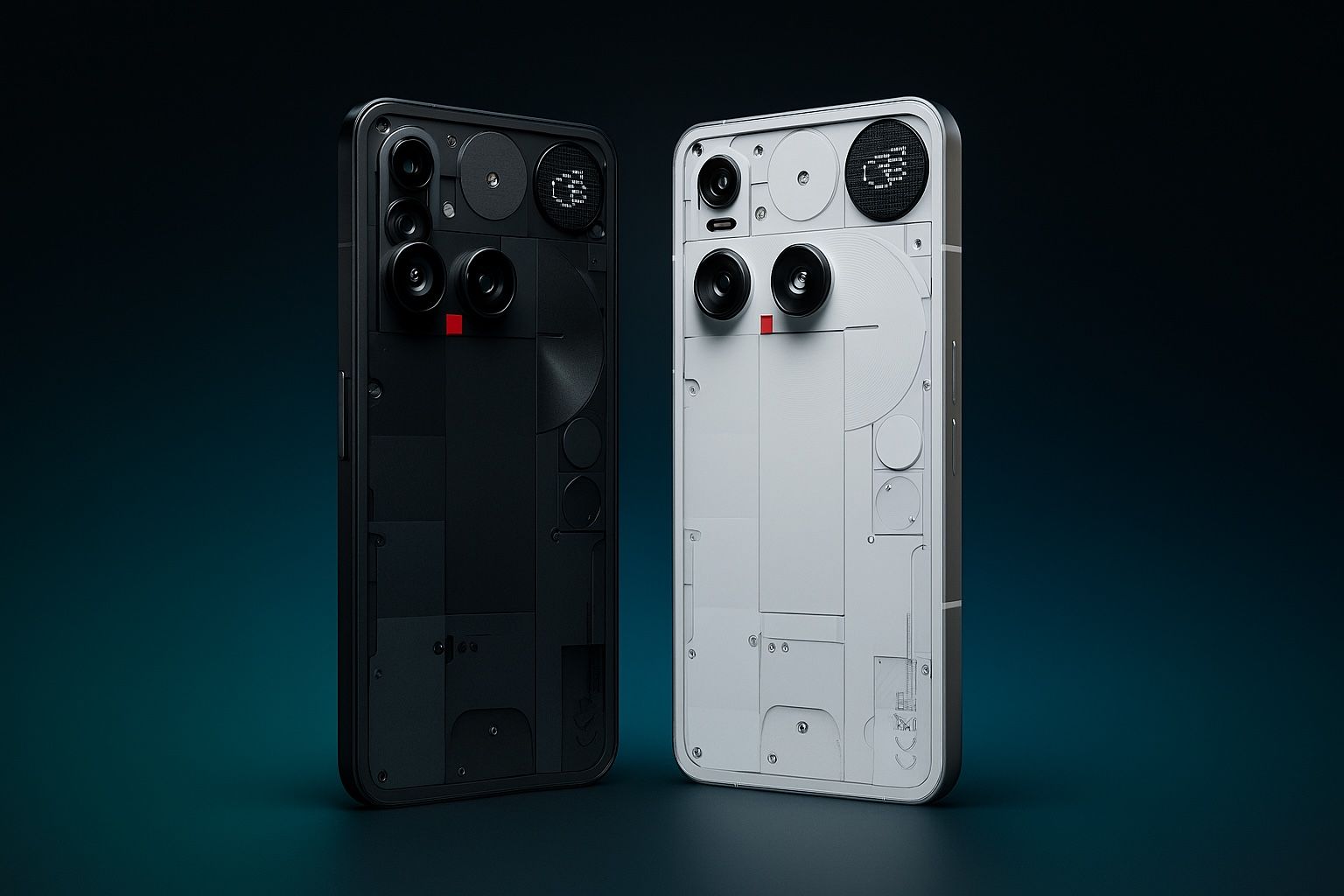
The Nothing Phone is Carl Pei’s boldest smartphone yet, billed as the startup’s “first true flagship smartphone” with “premium materials, major performance upgrades, and software that really levels things up” digitaltrends.com. After months of rumors and teasers, Nothing officially unveiled the Phone 3 on July 1, 2025 in a livestreamed event phonearena.com. It marks a leap from the mid-range ethos of its predecessors – the Phone and Phone – into bona fide high-end territory. In fact, the Phone 3 now sits above the mid-range Phone 3a and 3a Pro models launched earlier in 2025, serving as “the ultimate showcase of the company’s vision” digitaltrends.com.
Smartphone Wars 2025: Inside the Global Market Shake-Up, Trends, and Future Tech Disruptions

Smartphone Wars 2025: Inside the Global Market Shake-Up, Trends, and Future Tech Disruptions

The global smartphone industry is undergoing a pivotal transformation in 2025. After rebounding from pandemic-era slumps, worldwide smartphone shipments grew to around 1.24 billion units in 2024 iconnect007.com, marking a 6.4% annual increase and a return to growth after two years of decline. Revenues have surged past $500 billion annually, fueled by a wave of premiumization even as overall unit growth remains modest. Two giants – Samsung and Apple – continue to dominate, together accounting for nearly 40% of global shipments idc.com, with fast-rising Chinese manufacturers aggressively expanding their market share. Consumers are becoming more discerning: battery life, durability, security, cost, and camera quality consistently rank as the top buying criteria, while flashy innovations like AI assistants and foldable screens play a secondary role for many buyers sellcell.com. On the technology front, smartphones are integrating cutting-edge features – from on-device AI and 5G connectivity to satellite messaging – yet face longer replacement cycles as users hold onto devices ~3.5 years on average phonearena.com. Meanwhile, supply chains are rapidly realigning: manufacturing is shifting geographically, and industry players are navigating chip shortages, trade wars, and new regulations on repairability and e-waste. This report provides an in-depth analysis of the current market landscape,
June 2025 Smartphone Trends and Launches – Flagships, AI, Foldables & Future Releases

June 2025 Smartphone Trends and Launches – Flagships, AI, Foldables & Future Releases

June 2025 has been a whirlwind month in the smartphone world, marked by major product launches and evolving technology trends. Top global brands rolled out new flagship phones, foldable devices, and feature-packed mid-range models, all while pushing the envelope in design and performance. Cutting-edge innovations in AI-powered features, mobile photography, display technology, battery charging, and even satellite connectivity are shaping the user experience. Meanwhile, industry analysts note shifting market dynamics – from a growing premium segment to a resurgent budget market – as smartphone makers navigate a competitive landscape. This report provides a detailed overview of the latest smartphone launches in June 2025, key technology trends driving these devices, market analysis with key data points, expert commentary, and a look ahead at upcoming models expected later this year.
Tech Trends and Breaking News: June 23, 2025 Edition

Tech Trends and Breaking News: June 23, 2025 Edition

Apple’s Roadmap to an All‑Screen iPhone – Leaked plans suggest Apple will gradually eliminate the iPhone’s display cutouts by 2027. The iPhone 18 Pro is rumored to debut under-display Face ID with only a tiny camera punch-hole. Then, for the iPhone’s 20th anniversary in 2027, Apple aims to launch a truly “all-screen” iPhone – an edge-to-edge glass design with no notch or Dynamic Island at all. This would mark Apple’s boldest design shift since the iPhone X. In the meantime, the 2025 lineup may introduce a new ultra-thin “iPhone 17 Air” model and an iPhone 17 Ultra to elevate the high end. Takeaway: Apple is iterating toward a seamless front face, betting on under-display sensor tech to finally realize a full-screen iPhone – a change that’s been a decade in the making since Face ID first necessitated a notch.
D2D Gold Rush: The Race to Own the Sky-to-Phone Future (2025–2033)

D2D Gold Rush: The Race to Own the Sky-to-Phone Future (2025–2033)

Direct-to-Device satellite-cellular convergence refers to the emerging capability for ordinary consumer devices – like smartphones, IoT gadgets, even cars – to connect directly with satellites for voice, messaging, and data, without specialized satellite phones or ground infrastructure viasat.com telecom.economictimes.indiatimes.com. In essence, low Earth orbit satellites function as “cell towers in the sky,” communicating with standard mobile chipsets via advanced antennas and beamforming spacecapital.com. Early demonstrations have proven basic connectivity: for example, AST SpaceMobile’s BlueWalker 3 satellite facilitated the first-ever two-way voice calls using an off-the-shelf smartphone in April 2023 ast-science.com. Similarly, Lynk Global has shown that unmodified phones can exchange text messages via a small LEO satellite, leading to the first FCC license for a commercial satellite-to-phone service in 2022 fierce-network.com fierce-network.com. Apple’s iPhone 14 introduced Emergency SOS messaging via satellite in late 2022, bringing direct satellite texting to millions of consumers in the US, Canada, and Europe apple.com apple.com. These early capabilities are relatively narrow, but they validate the core concept of seamless satellite-to-phone links on everyday devices.
Mega-Constellations Exposed: How Swarms of Tiny Satellites Are Taking Over Low Earth Orbit

“No Signal? No Problem!” – Next‑Gen Satellite Phones Set to Change Everything

Imagine being able to send a message or make a call from anywhere on Earth, even far outside cellular coverage. That’s the promise driving the development of next-generation handheld satellite phones and advanced antennas. Long seen as bulky gadgets of last resort, satellite phones are now undergoing a revolution. Tech giants, satellite operators, and startups are racing to integrate space-based links into ordinary smartphones and rugged devices alike www2.deloitte.com ts2.tech. The result? Handsets that seamlessly tap satellites when terrestrial networks vanish, miniaturized antennas that fit in pockets, and a wave of innovations that could make “no signal” a thing of the past. This report dives into the latest breakthroughs in satellite phone technology, the key players behind them, technical hurdles being overcome, emerging use cases from disaster response to remote exploration, and what the future holds for truly global connectivity.
Out of Signal? These Phones Talk to Space! The Truth About Satellite SMS and Satellite Phones

Out of Signal? These Phones Talk to Space! The Truth About Satellite SMS and Satellite Phones

In today’s connected world, we expect our phones to have signal everywhere – but far beyond the reach of cell towers, only satellites can bridge the gap. Satellite communication refers to using orbiting satellites to send and receive signals, allowing phones to connect where no ground network exists en.wikipedia.org. This is crucial for emergency responders, explorers, sailors, and anyone in remote areas or disaster zones where terrestrial networks are down. Satellite connectivity has proven to be a lifeline in natural disasters and conflicts, as it remains operational even when local infrastructure fails en.wikipedia.org. In recent years, advances have brought satellite links to ordinary smartphones, meaning even if you’re “out of signal,” your phone might still “talk to space” to keep you connected.
1 10 11 12
Go toTop