Browse Category

Night Sky News 10 August 2025 - 3 September 2025

Skywatch Alert: Aurora Glow, Shooting Stars & Planetary Spectacle Dazzle the Night Sky (Sept 3–4, 2025)

Skywatch Alert: Aurora Glow, Shooting Stars & Planetary Spectacle Dazzle the Night Sky (Sept 3–4, 2025)

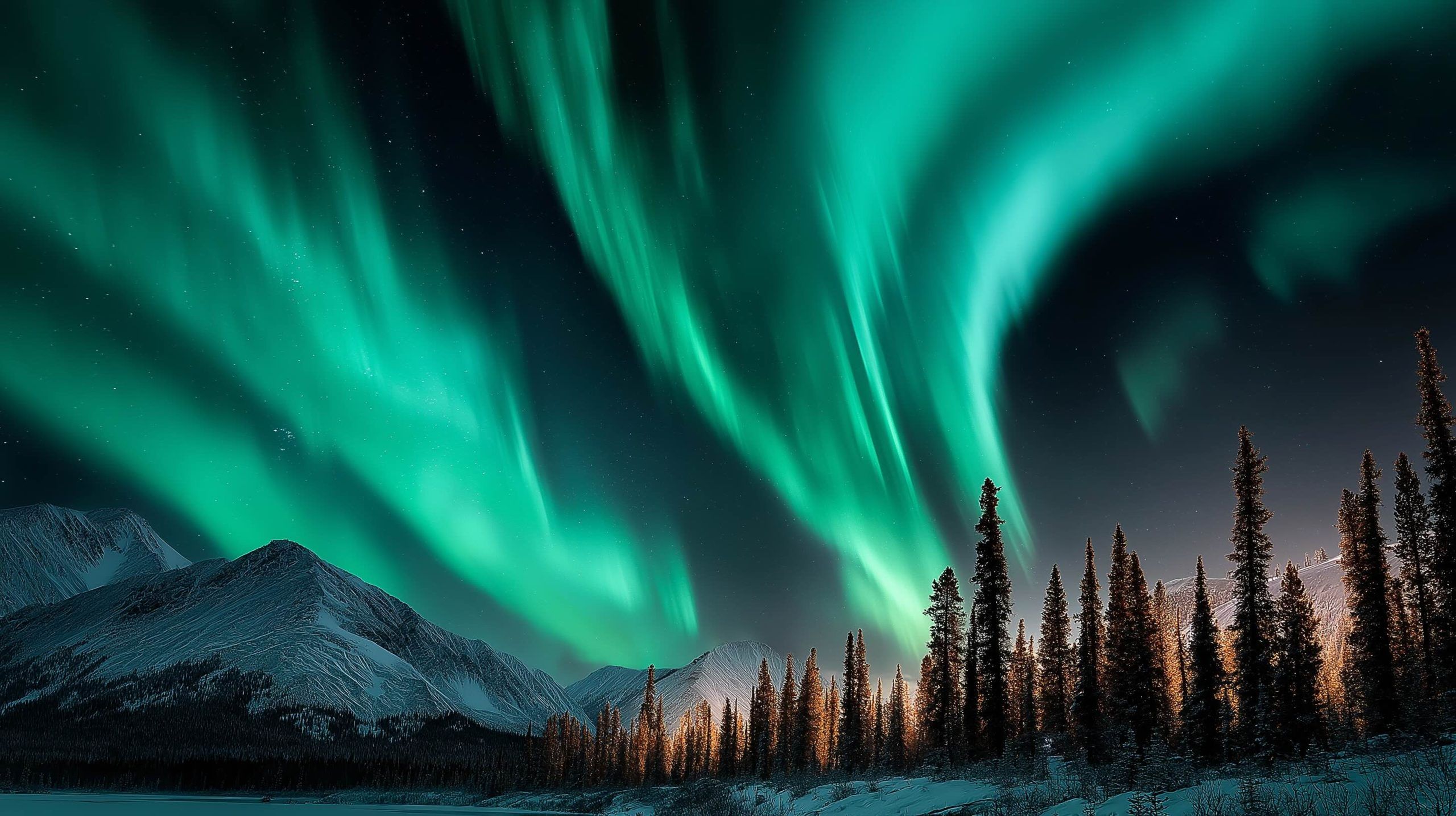
Key Facts Full Report Skywatchers have plenty to look for on the nights of September 3–4, 2025. From the lingering afterglow of an aurora outbreak, to a moonlit meteor shower, a nearly-full Moon, bright planets adorning the sky, and even human-made satellites flying overhead – there’s a bit of everything happening. Below we break down all the major sky phenomena…
3 September 2025
You Won’t Believe How Easily You Can Spot the ISS – Ultimate International Space Station Viewing Guide

You Won’t Believe How Easily You Can Spot the ISS – Ultimate International Space Station Viewing Guide

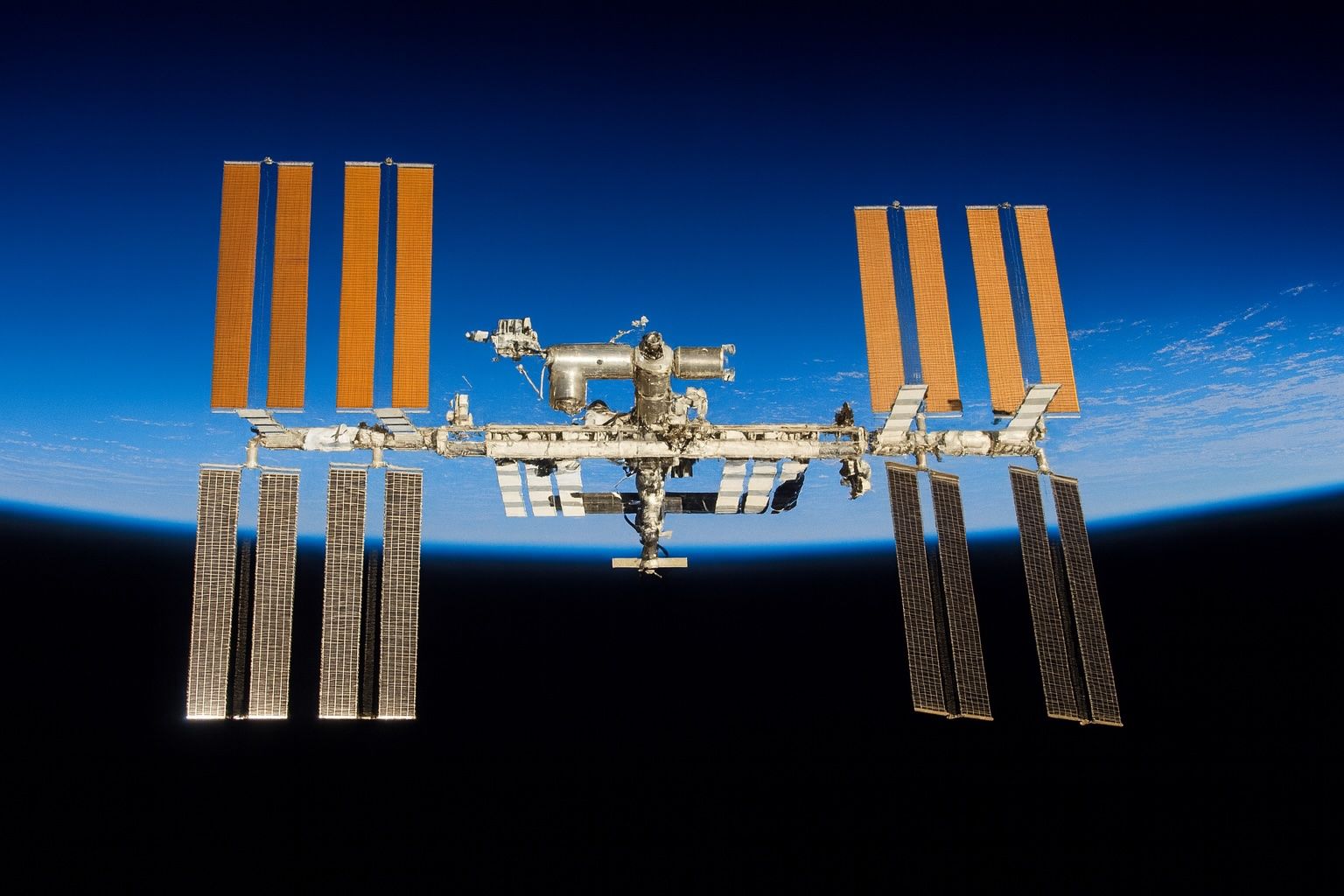
The ISS is roughly football-field-sized, sits about 250 miles above Earth, travels at about 17,500 mph, and completes an orbit every ~92 minutes, circling Earth about 16 times per day. Its orbit is inclined about 51.6° to the equator, so its ground track passes over more than 90% of Earth’s population and it never goes farther north than 51.6° N…
16 August 2025
Skywatch Alert: Meteor Fireballs, Auroras & Planetary Spectacles Dazzle the Night Sky (Aug 15–16, 2025)

Skywatch Alert: Meteor Fireballs, Auroras & Planetary Spectacles Dazzle the Night Sky (Aug 15–16, 2025)

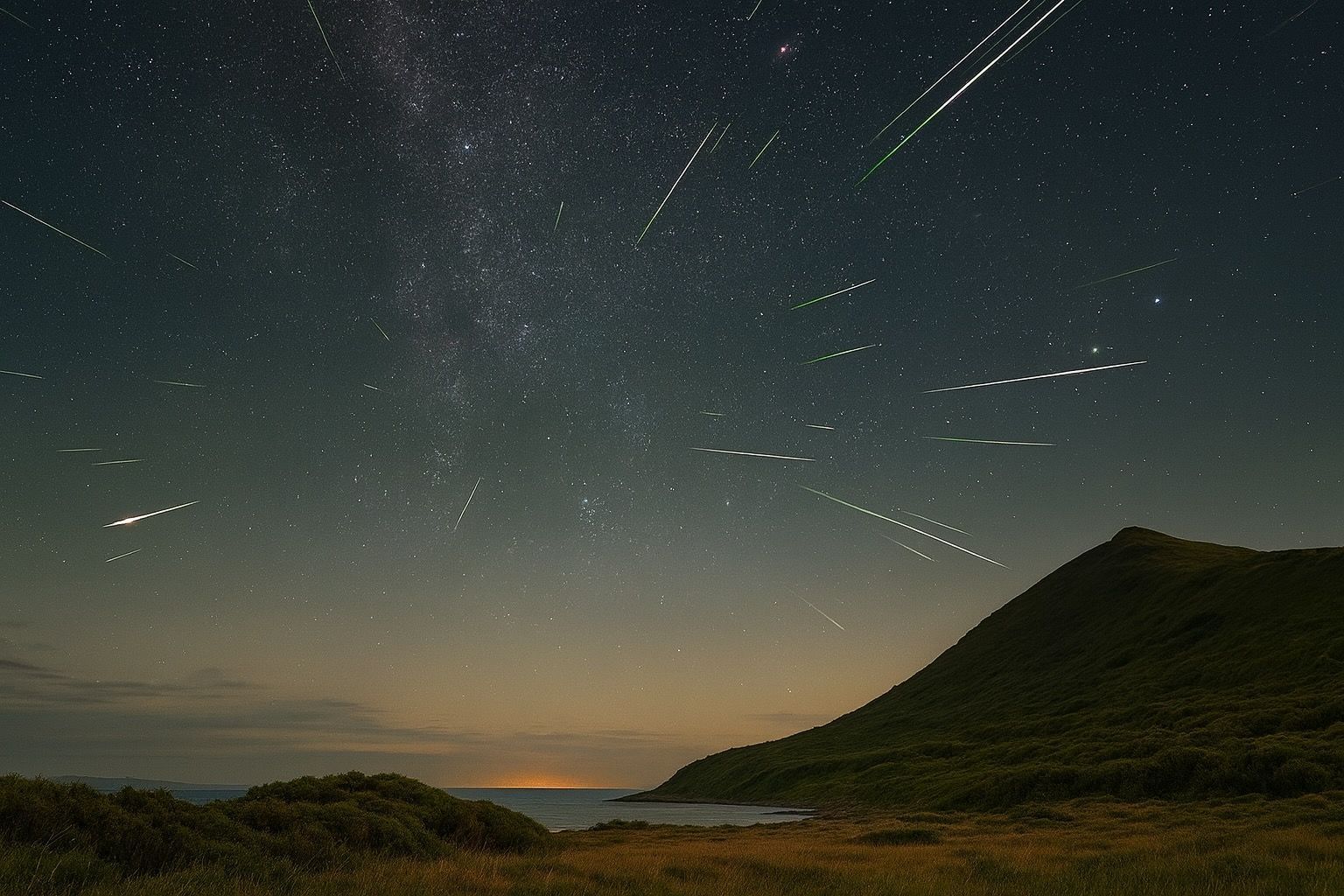
The Perseid meteor shower peaked on August 12–13, 2025, and on August 15–16 the Moon is in last quarter, about half-lit and rising late, providing darker evening skies. The Perseids remain active through August 23, 2025, with expert estimates of about 15 meteors per hour under moonlit conditions, meaning only roughly 10–20% of the usual 60–100 meteors per hour may…
15 August 2025
Don’t Miss the Cosmic Show: Perseid Meteors, Planetary Duet & Auroras (Aug 13–14, 2025)

Don’t Miss the Cosmic Show: Perseid Meteors, Planetary Duet & Auroras (Aug 13–14, 2025)

The Perseid meteor shower peaks around August 12–13, 2025, with a bright Moon at about 84% full that reduces typical rates from 50–75 meteors per hour to about 10–20 per hour or fewer. The best Perseid viewing is after dark, especially between midnight and dawn around 2:00–4:00 a.m. local time when the Perseus radiant is highest, per NASA. The Perseids…
How to Watch the Perseid Meteor Shower 2025 – Peak Dates, Best Viewing Times, and Tips

How to Watch the Perseid Meteor Shower 2025 – Peak Dates, Best Viewing Times, and Tips

The Perseids peak on August 12–13, 2025, as Earth passes through the densest part of Swift-Tuttle’s debris, with the official peak around 02:30–03:00 UTC on August 13. The Moon will be a bright waning gibbous at about 83–84% illumination during peak, severely reducing counts from the typical 50–100 meteors per hour to about 10–20 per hour. The best viewing times…
1 3 4 5 6

Stock Market Today

  • LSE Plans to Ease Public Holding Rules for Overseas Companies in FTSE Indexes
    January 27, 2026, 9:13 AM EST. The London Stock Exchange Group (LSE) announced plans to relax rules requiring the minimum number of shares held by the public for overseas companies to join key indexes like the FTSE 100. This move aims to attract more international firms to British benchmark indexes, potentially boosting market diversity and liquidity. Currently, strict rules limit index inclusion, but easing these could open doors for more foreign businesses. The LSE's strategy reflects growing competition among global stock markets to attract listings and expand investor options. Observers note this could reshape dynamics in London's equity markets amid shifting global investment trends.
Go toTop