Browse Category

Stargazing News 10 July 2025 - 14 August 2025

Don’t Miss These Sky Events on August 14–15, 2025: Shooting Stars, Planet Alignments, and More

Don’t Miss These Sky Events on August 14–15, 2025: Shooting Stars, Planet Alignments, and More

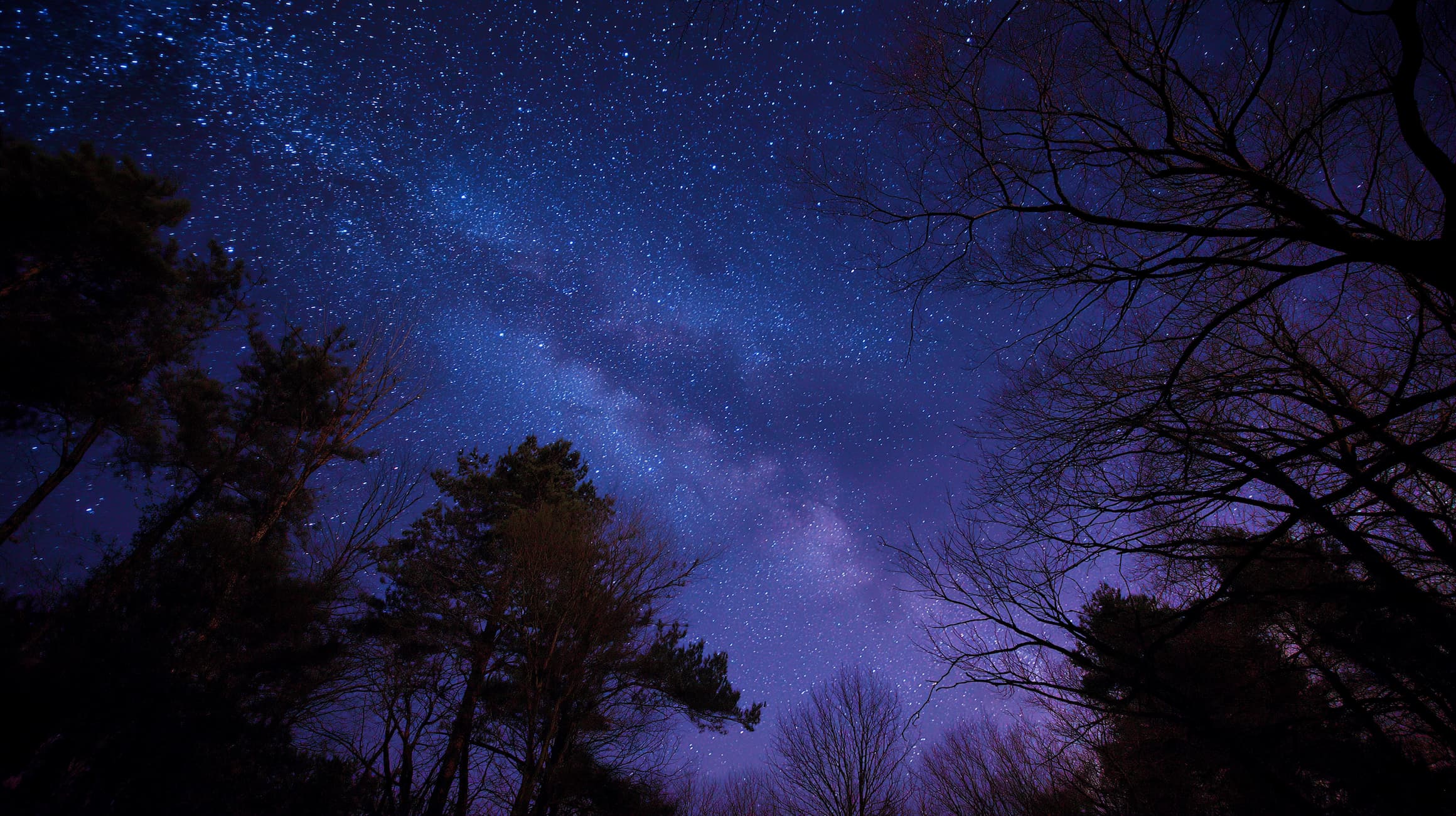
Perseid meteor shower remains active August 14–15, with Moonlight washing out fainter meteors and an expected rate around 10–20 per hour. Auroras could appear on August 14–15 due to solar activity, but forecasters expect only mild geomagnetic activity (Kp 5–6, G1–G2) and no major storm. Venus and Jupiter form a bright dawn pair around August 14–15, with Venus at magnitude -4 about 20–30° above the eastern horizon and Jupiter nearby. Saturn is near opposition later in August, at about magnitude +0.4, bright and high in the southern sky for late-night viewing. Mars remains visible in the western sky after sunset,
14 August 2025
Dobsonian Showdown: StellaLyra 8″ f/6 vs Apertura AD8 vs Orion SkyQuest XT8

Dobsonian Showdown: StellaLyra 8″ f/6 vs Apertura AD8 vs Orion SkyQuest XT8

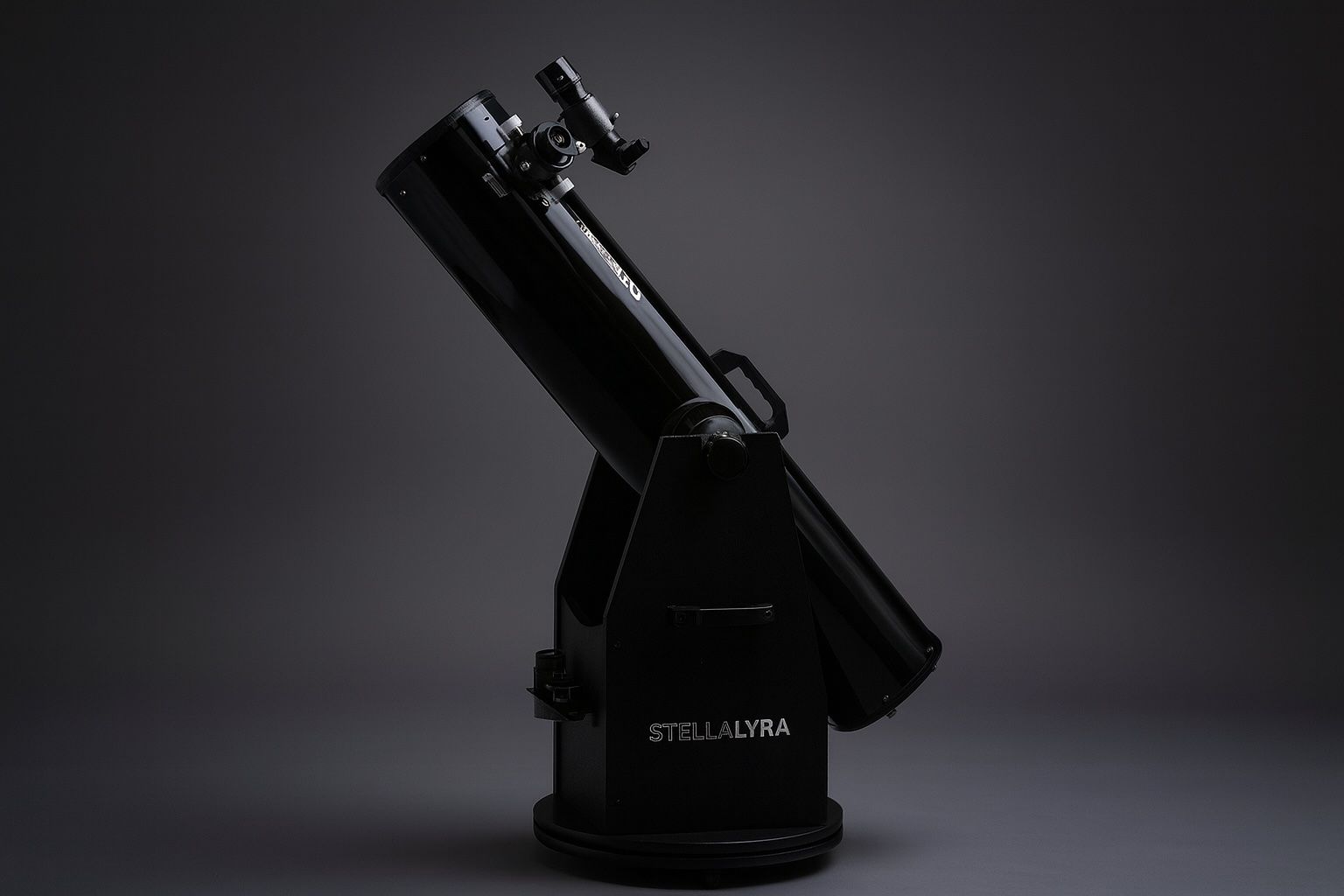
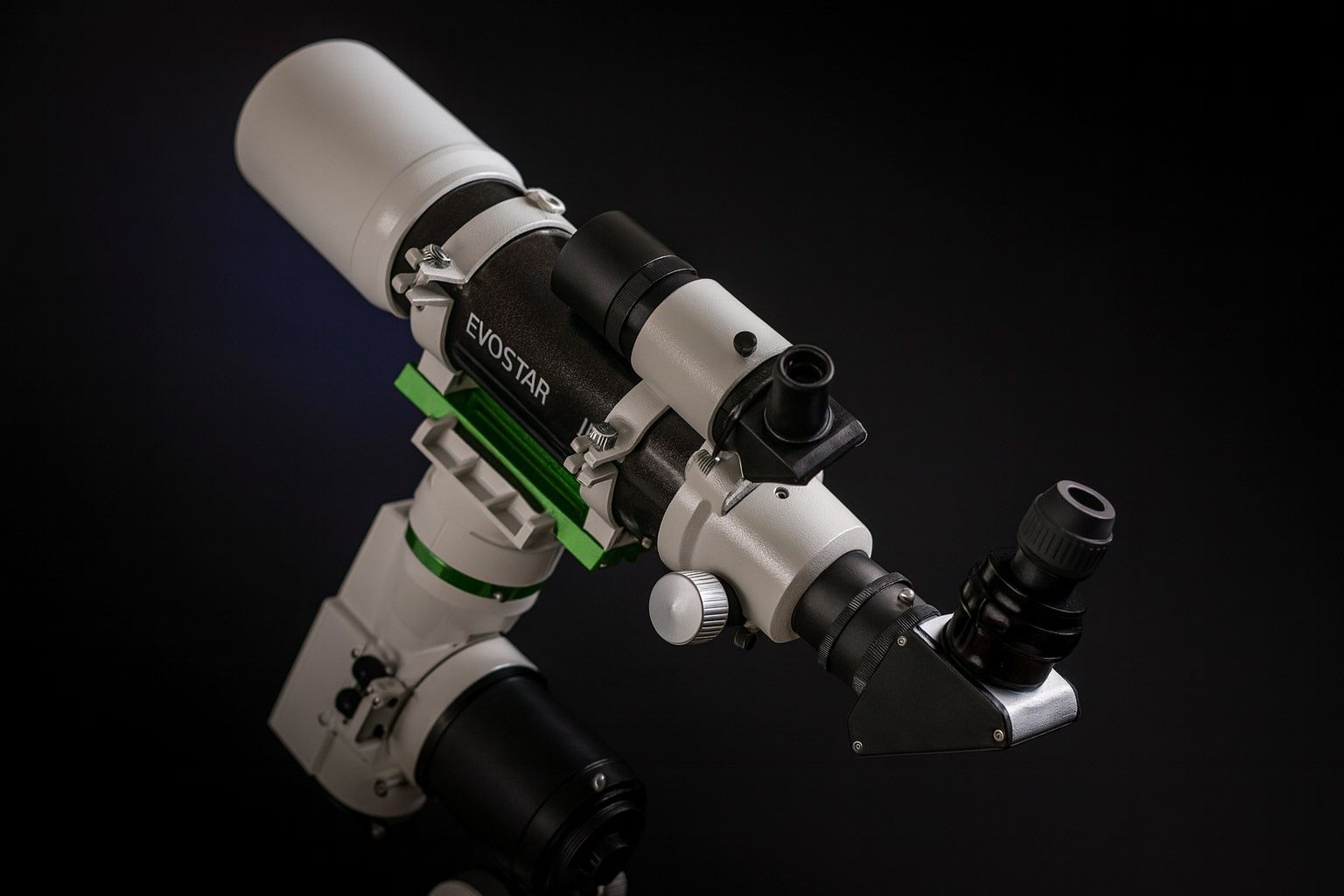
All three models are 8″ f/6 Newtonian Dobsonians with ~1200 mm focal length and a 203 mm parabolic primary. StellaLyra 8″ f/6 and Apertura AD8 use enhanced aluminum coatings with ~93% reflectivity and a quartz overcoat, while the Orion SkyQuest XT8 uses traditional aluminum coatings with ~89–91% reflectivity. The StellaLyra 8″ and Apertura AD8 feature 2″ dual-speed Crayford focusers (10:1 fine focus), while the Orion XT8 Classic uses a 2″ single-speed Crayford (the XT8 Plus adds a dual-speed). All use Dobsonian wooden mounts; StellaLyra/AD8 employ a GSO-style base with Lazy Susan azimuth bearing and large tension knobs, while the XT8
13 August 2025
Dazzling Meteor Shower Peaks Tonight – Your Skywatch Guide for August 11–12, 2025

Dazzling Meteor Shower Peaks Tonight – Your Skywatch Guide for August 11–12, 2025

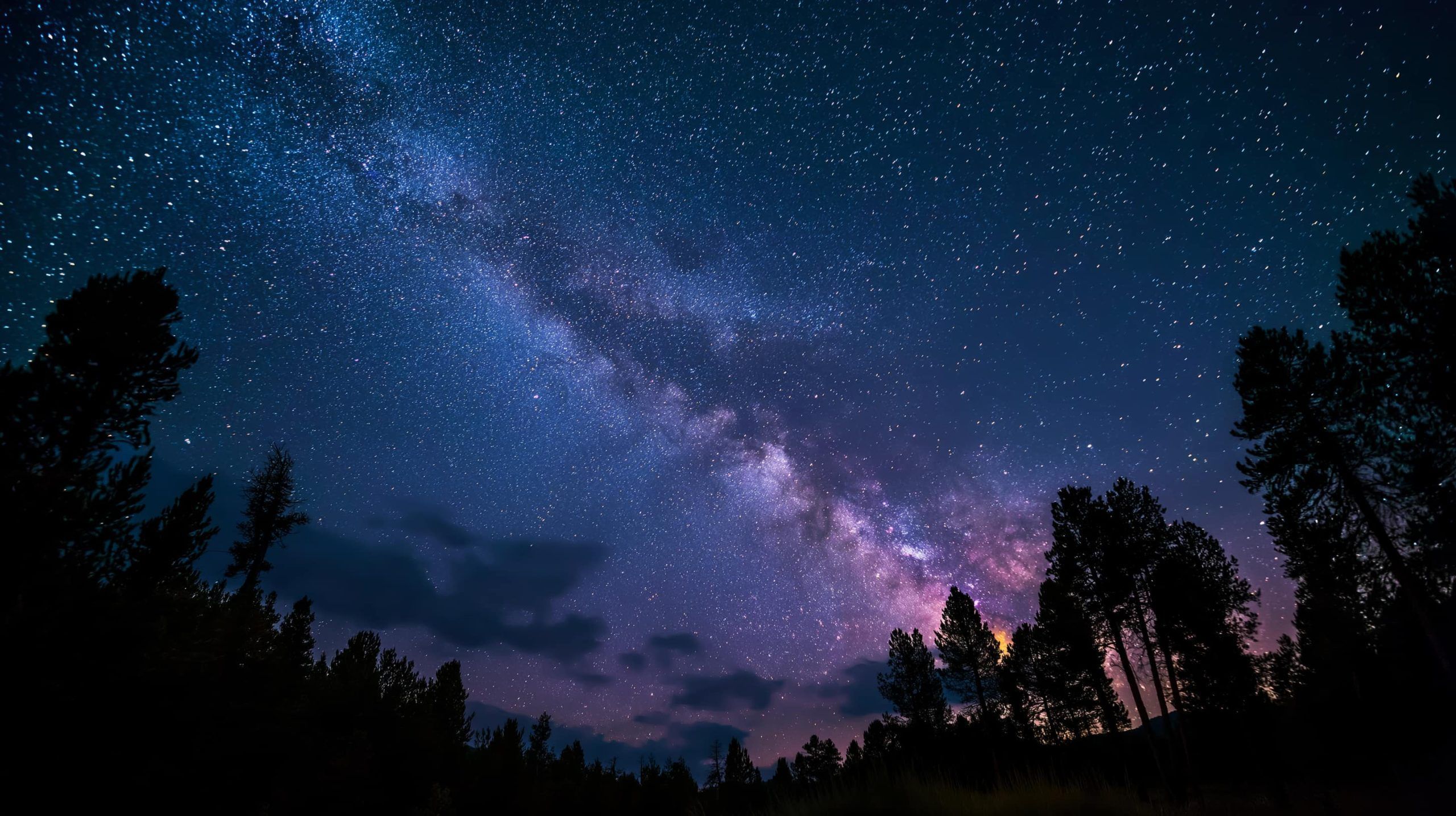
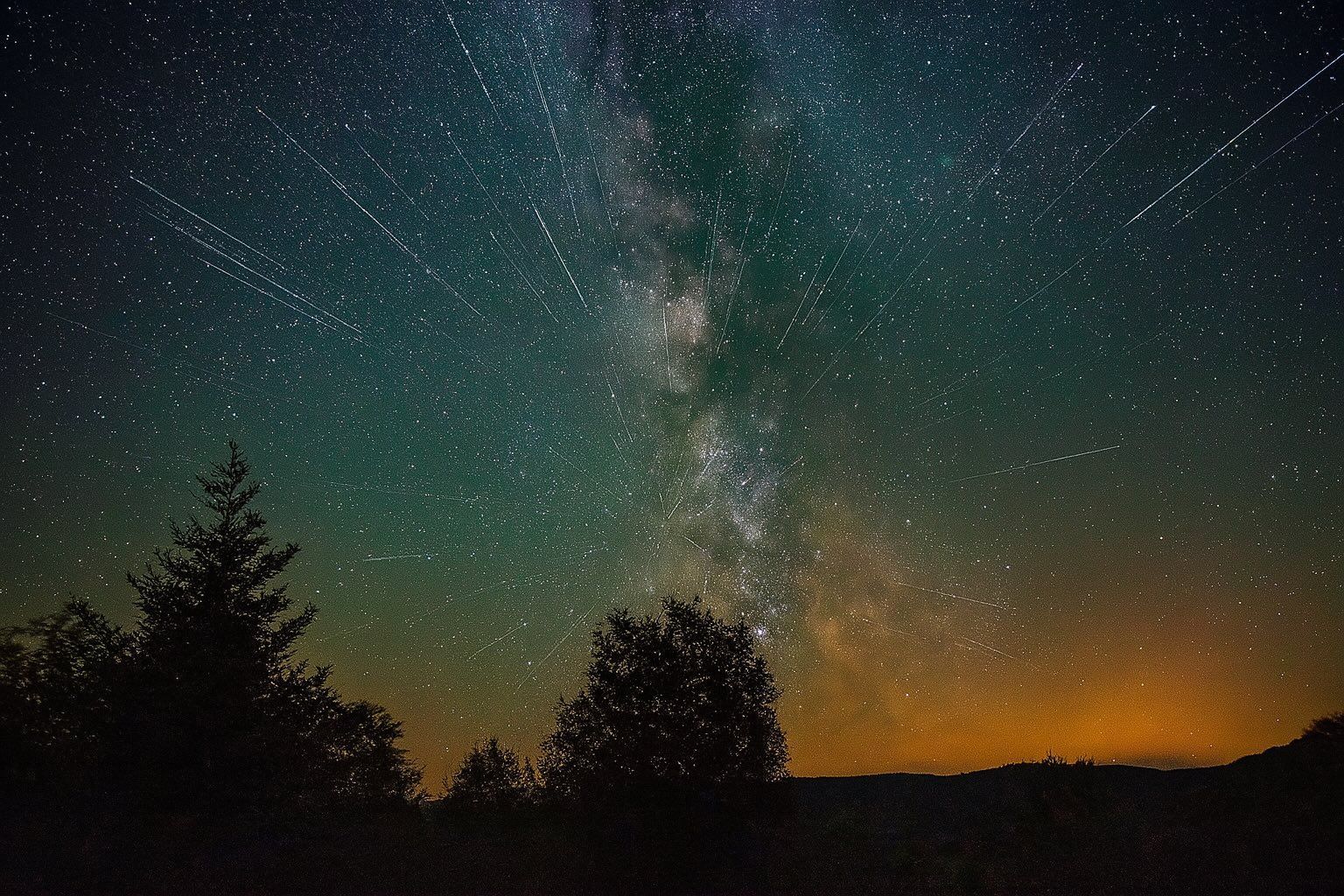
Perseid meteor shower peaks August 11–12 (into the pre-dawn hours) with an 84% full Moon washing out fainter meteors, so expected rates drop to about 10–20 per hour instead of the usual 50–100. The best viewing window is midnight to dawn, with a peak surge around 2–3 a.m. local time as the Perseid radiant in Perseus climbs high. Fireballs may still appear, and occasional long-lasting earthgrazers could skim the atmosphere early in the night even under moonlight. Venus and Jupiter form a close dawn conjunction on August 11–12, about 1 degree apart, visible to the naked eye about 1–2 hours
11 August 2025
Spectacular Venus–Jupiter “Cosmic Kiss” Dazzles Early Morning Skies (Don’t Miss It!)

Spectacular Venus–Jupiter “Cosmic Kiss” Dazzles Early Morning Skies (Don’t Miss It!)

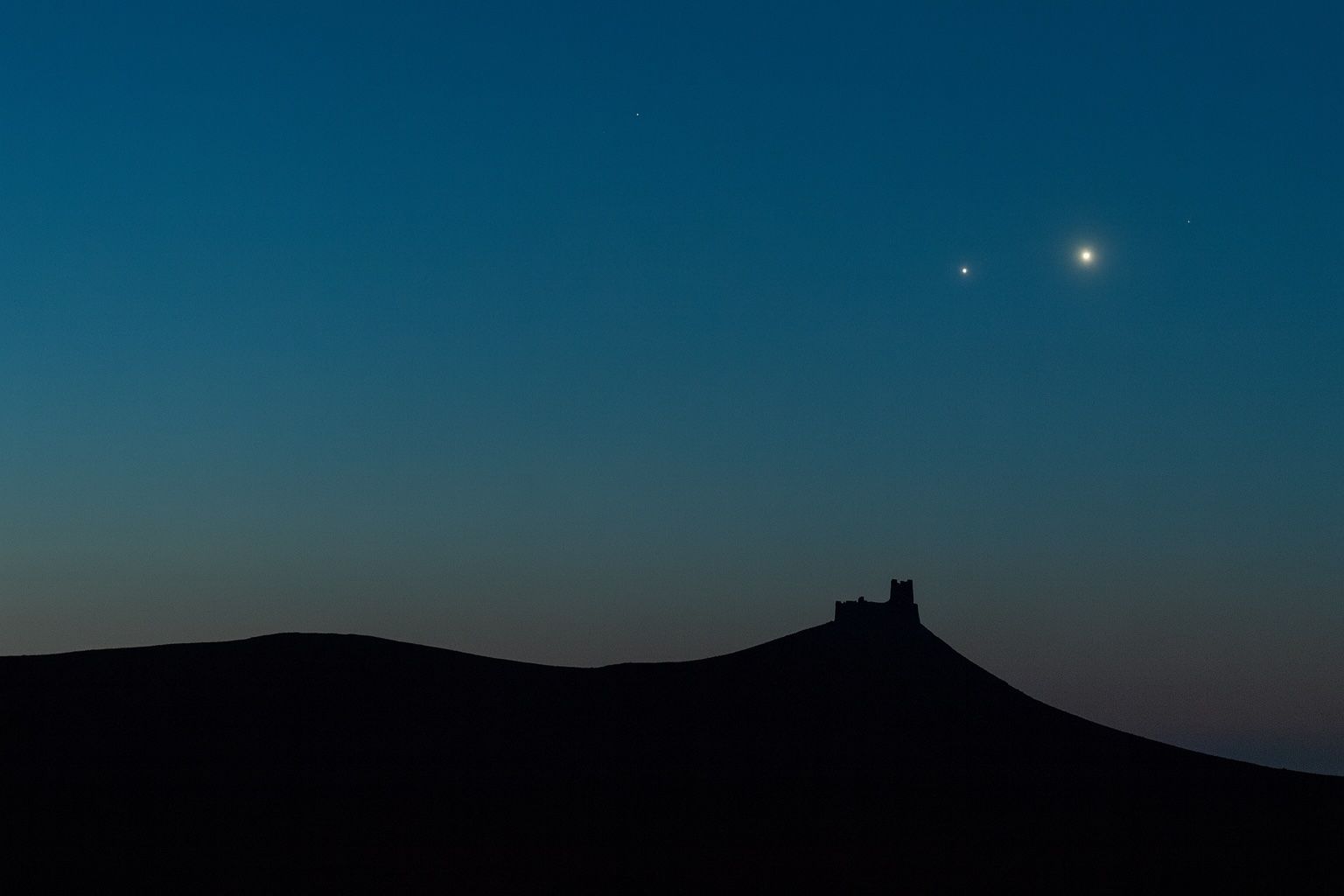
The Venus–Jupiter conjunction occurs August 11–13, 2025, with its closest approach on August 12 at about 0.86° apart. Venus will shine around magnitude -4.0 and Jupiter around -1.8 to -2 during the pairing. The pair sits about 35° from the Sun, enabling viewing in a dark dawn sky. Observers should view about 45 minutes to an hour before sunrise, when the planets are 5–10° above the horizon and will rise to 15–20° as dawn progresses. In the dawn sky, Venus appears lower and brighter, with Jupiter above, forming a striking naked-eye close pair. With binoculars or a telescope, both planets
10 August 2025
August 2025 Night Sky Spectacles: Rare Black Moon, Nebula Treasure, Mars in Virgo & Saturn’s Shadow Show

August 2025 Night Sky Spectacles: Rare Black Moon, Nebula Treasure, Mars in Virgo & Saturn’s Shadow Show

On August 23, 2025, the Moon undergoes a seasonal Black Moon New Moon in Virgo at 06:06 UTC, the third New Moon in a season with four. The Dumbbell Nebula, M27, in Vulpecula is a bright planetary nebula visible throughout August 2025 and was first discovered by Charles Messier in 1764. Mars in August 2025 has a brightness of about magnitude 1.6 and a disk roughly 5 arcseconds across. Mars makes a close approach to Beta Virginis (Zavijava) on August 2, 2025, passing about 8 arcminutes to the southeast. By August 24, 2025, Mars will be about 2.7° south of
10 August 2025
Cosmic Triple-Feature: Meteor Shower, Double Planet Show & Aurora Hopes on Aug 6–7, 2025

Cosmic Triple-Feature: Meteor Shower, Double Planet Show & Aurora Hopes on Aug 6–7, 2025

The Perseid meteor shower ramps up on August 6–7, 2025, with about 10–20 meteors per hour after local midnight under dark skies despite a bright Moon at roughly 95–99% full. The August full Moon on August 9, 2025 is called the Sturgeon Moon, and its brightness washes out faint meteors during early Perseid activity. The Eta Eridanids are expected to peak on the night of August 7–8, 2025, adding about 3 meteors per hour at best. Venus and Jupiter dominate the dawn sky on August 6–7, 2025, with Venus at magnitude −4.0 and Jupiter at −1.9, about 6° apart. Around
6 August 2025
You Won’t Believe Where the Next Total Solar Eclipse Will Happen – Upcoming Solar Eclipses from 2025 Onward

You Won’t Believe Where the Next Total Solar Eclipse Will Happen – Upcoming Solar Eclipses from 2025 Onward

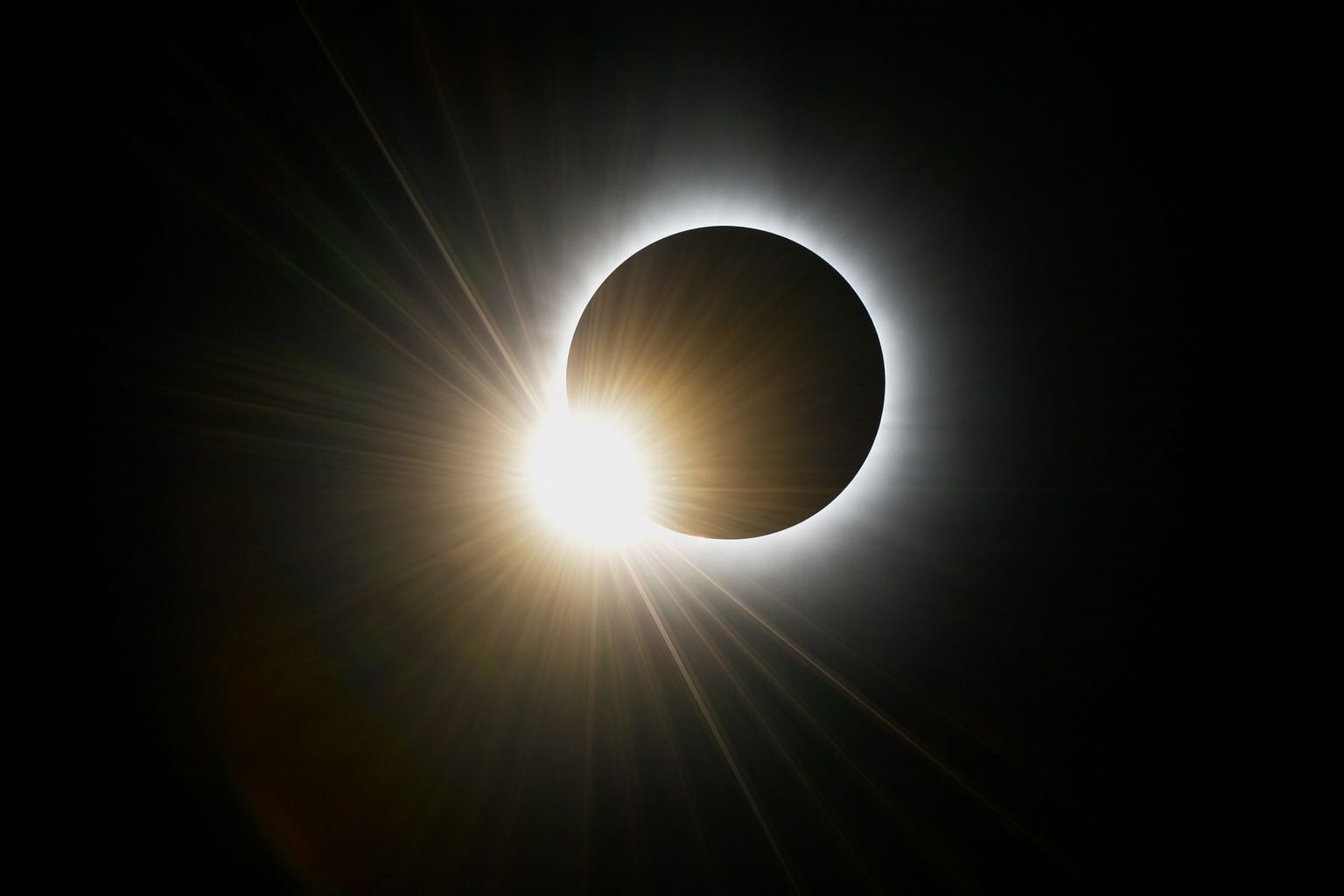
September 21, 2025 – Partial Solar Eclipse visible mainly from the Southern Hemisphere, with up to 80% Sun obscured over the South Pacific, including Fiji, Tahiti, New Zealand, and parts of Antarctica. February 17, 2026 – Annular “ring of fire” over Antarctica, with annularity lasting about 2 minutes at maximum, while a partial eclipse will be visible across southern South America, southern Africa, and surrounding oceans. August 12, 2026 – Total Solar Eclipse crossing Greenland, Iceland, and northern Spain (plus a small corner of Portugal) with totality up to about 2 minutes 18 seconds. February 6, 2027 – Annular Solar
2 August 2025
The Telescope Revolution of 2025–2026: From Backyard Stargazing to Giant Cosmic Eyes

The Telescope Revolution of 2025–2026: From Backyard Stargazing to Giant Cosmic Eyes

Celestron Origin Intelligent Home Observatory, introduced in 2024 and shipping through 2025, uses a 6-inch Rowe-Ackermann Schmidt Astrograph (RASA) at f/2.2 with an integrated 8.3-megapixel Sony STARVIS IMX178 color sensor, has no eyepiece, a fully motorized one-arm alt-azimuth mount with StarSense plate solving, built-in autofocus and dew control, and about 6 hours of cordless operation. The ZWO SeeStar S50, launched in 2023, is a portable 50 mm aperture triplet apochromatic telescope with a built-in color sensor, 64 GB storage, a dual-band nebula filter, a dew heater, Wi-Fi/Bluetooth control, and weighs about 2.5 kg. The DwarfLab DWARF III series includes the
August 2025 Skywatch Alerts: Meteor Showers, Planetary Parades & Celestial Surprises

August 2025 Skywatch Alerts: Meteor Showers, Planetary Parades & Celestial Surprises

Perseid Meteor Shower peaks on the night of August 11–12 (into the pre-dawn of August 13), with up to about 100 shooting stars per hour under dark skies, though the August 9 full Sturgeon Moon at 84–90% illumination will wash out many dim meteors. On the morning of August 10, a rare six-planet parade will place Mercury, Venus, Jupiter, and Saturn visible to the naked eye, with Uranus and Neptune needing binoculars, and a nearly full Moon passing near Saturn. Aug 12 dawn sees a Venus–Jupiter conjunction with about 0.8 degrees separation; Venus at magnitude −4.0 and Jupiter at −1.9,
30 July 2025
July 10 2025’s ‘Buck Moon’ Will Be the Farthest‑From‑the‑Sun, Low‑Riding Full Moon of the Decade—Here’s the Exact Time, Best Viewing Tricks & Pro Photo Hacks You Need

July 10 2025’s ‘Buck Moon’ Will Be the Farthest‑From‑the‑Sun, Low‑Riding Full Moon of the Decade—Here’s the Exact Time, Best Viewing Tricks & Pro Photo Hacks You Need

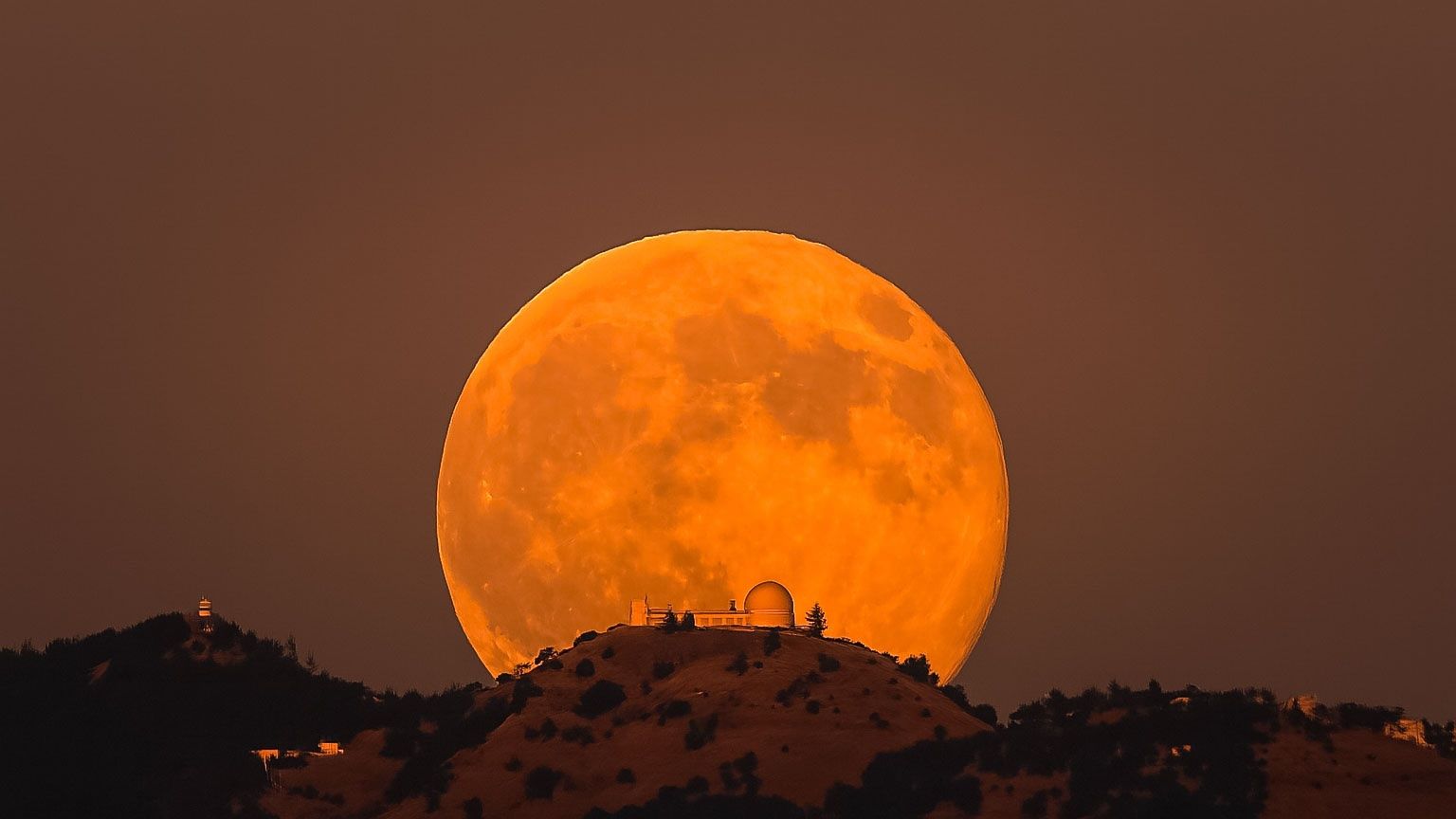
The Buck Moon peaks on 10 July 2025 at 4:37 p.m. EDT (20:37 UTC). Earth reached aphelion on 4 July 2025, making this the farthest full Moon from the Sun in 2025. During the 18.6-year major lunar standstill, the Moon hugs the southern horizon, producing the lowest July full Moon path since 2006. The Moon is not a supermoon, as it occurs near apogee on 5 July 2025 at a distance of 404,400 km. July’s full Moon is traditionally named Buck Moon (Algonquin) and Thunder Moon. In New York, Moonrise is at 8:53 p.m. and sunset at 8:28 p.m., a
10 July 2025

Stock Market Today

Applied Digital stock jumps 25% as AI data-center names rebound — what’s next for APLD

Applied Digital stock jumps 25% as AI data-center names rebound — what’s next for APLD

7 February 2026
Applied Digital Corporation shares jumped 25.52% Friday to $34.95, then slipped to $34.60 after hours. The company reported fiscal Q2 revenue up 250% to $126.6 million and signed leases for 600 MW of data center capacity in North Dakota. Applied Digital broke ground on a new 430‑MW campus in the southern U.S. in January. Financing includes a $100 million promissory note with 8% interest, paid in kind.
Eli Lilly stock pops as FDA targets cheap weight-loss copycats — what to know before Monday

Eli Lilly stock pops as FDA targets cheap weight-loss copycats — what to know before Monday

7 February 2026
Eli Lilly shares rose 3.7% to $1,058.18 Friday after the FDA said it would act against telehealth firm Hims & Hers for marketing a $49 compounded weight-loss pill. The move followed a sharp selloff Thursday when Hims announced plans to sell a version of Novo Nordisk’s Wegovy. Investors remain uncertain how aggressively regulators will police copycat drugs and pricing in the obesity drug market.
Saudi Aramco share price set for Sunday test after Tadawul ends market-making deal

Saudi Aramco share price set for Sunday test after Tadawul ends market-making deal

7 February 2026
Saudi Exchange approved Merrill Lynch KSA’s exit as market maker for Saudi Aramco, effective Feb. 8. Aramco shares closed at 25.60 riyals Thursday, down 0.06, with 22.1 million traded. The Tadawul index fell 1.3% as Brent crude dropped to $67.93. Aramco set March official selling prices at $2.10 above Argus for North America and $0.65 above ICE Brent for Western Europe.
Go toTop