Today: 20 March 2026
Browse Category

TSX:7731 21 July 2025 - 15 August 2025

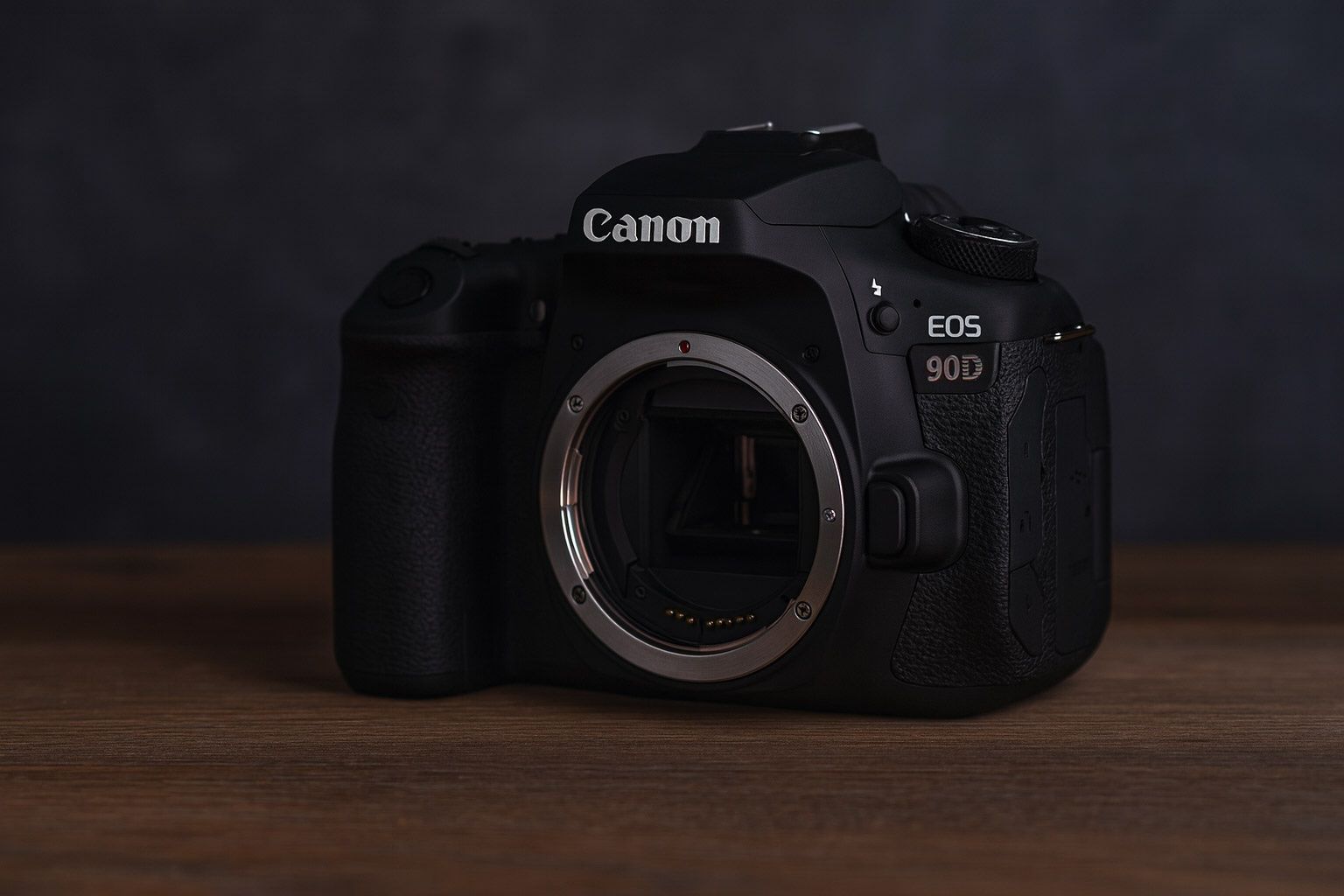
Canon 90D vs Nikon D7500 vs Sony A6600: 2025 Ultimate APS-C Camera Showdown

Canon 90D vs Nikon D7500 vs Sony A6600: 2025 Ultimate APS-C Camera Showdown

The Canon EOS 90D features a 32.5MP APS-C sensor, the highest resolution among Canon crop DSLRs, while the Nikon D7500 offers 20.9MP and the Sony A6600 24.2MP. The Sony A6600 includes 5-axis in-body stabilization and oversampled 4K video, unlike the Canon and Nikon. As of August 2025, the 90D body sells for about $900, D7500 for $749, and A6600 for $1,000. Canon and Nikon are shifting focus to mirrorless systems.
Mirrorless Battle 2025: Panasonic S5 II vs Fujifilm X-T5 vs Nikon Z7 II – Which Camera Reigns Supreme?

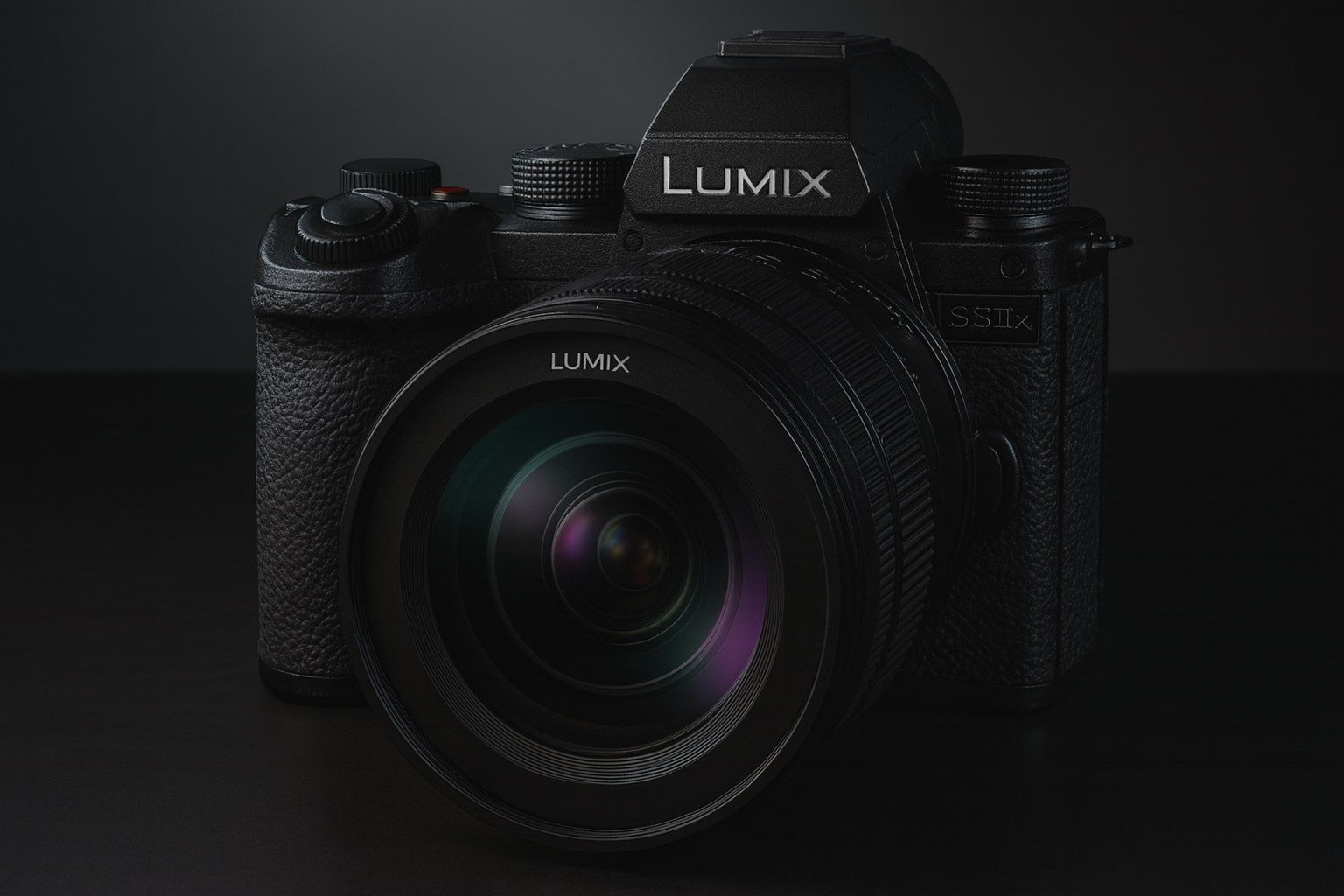
Mirrorless Battle 2025: Panasonic S5 II vs Fujifilm X-T5 vs Nikon Z7 II – Which Camera Reigns Supreme?

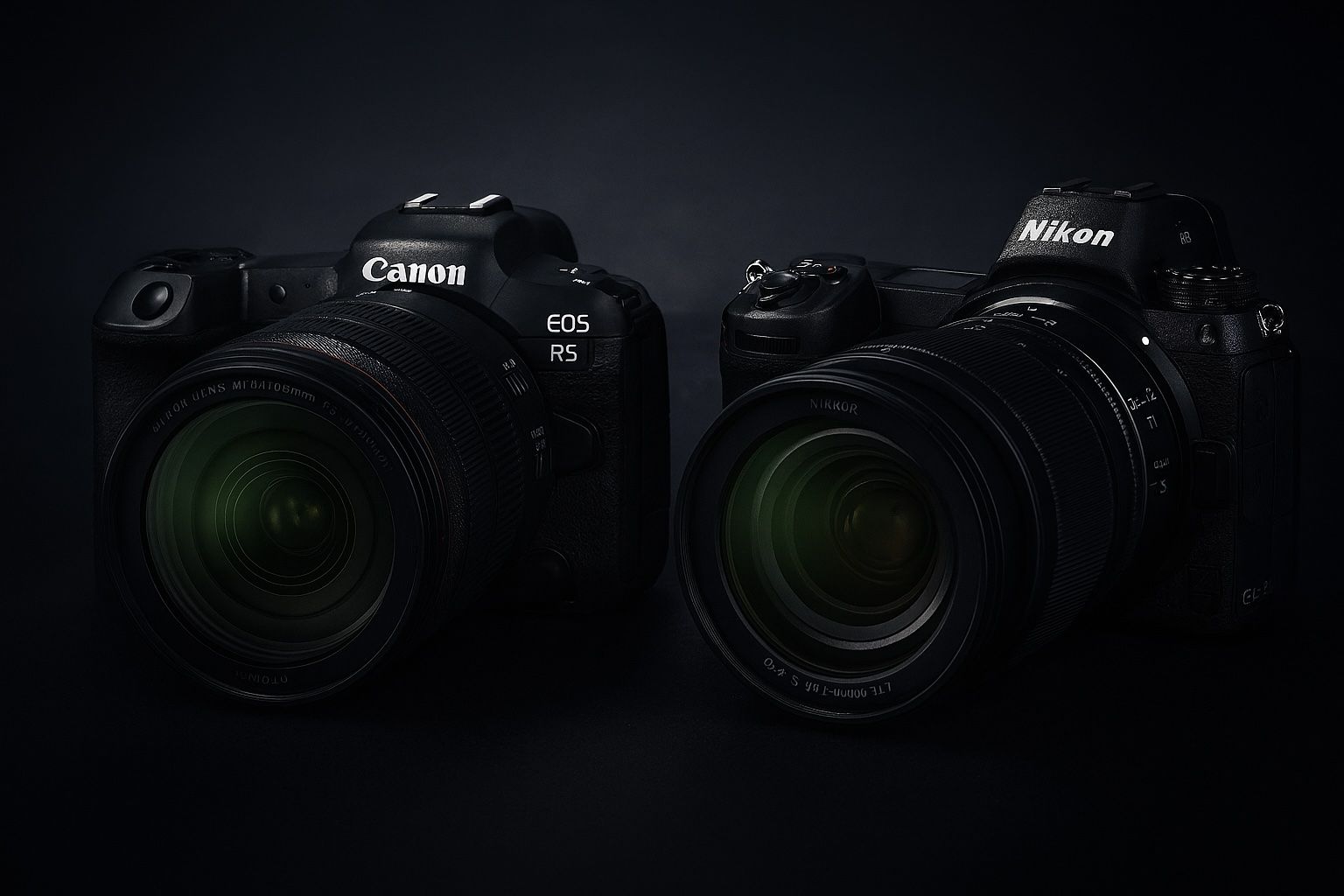
Panasonic S5 II features a 24.2MP full-frame sensor, 6K open-gate video, phase-detect AF, and unlimited recording with a built-in fan; it launched at $1,999, dropping to $1,649 by mid-2025. Fujifilm X-T5 uses a 40.2MP APS-C sensor, offers 6.2K video, and up to 160MP pixel-shift mode. Nikon Z7 II has a 45.7MP full-frame sensor, 10fps bursts, and 4K/60p video.
15 August 2025
Astro Photography Showdown: Sony A7S III vs Canon EOS R5 vs Nikon Z6 II – Which Full-Frame Mirrorless Rules the Night Sky?

Astro Photography Showdown: Sony A7S III vs Canon EOS R5 vs Nikon Z6 II – Which Full-Frame Mirrorless Rules the Night Sky?

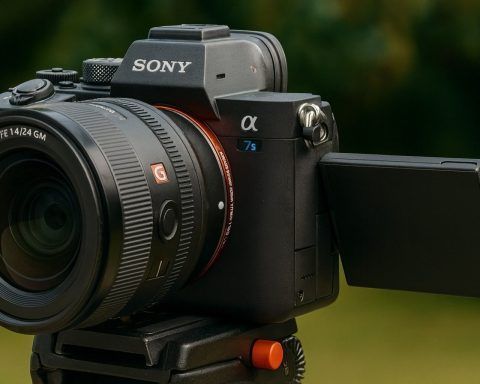
The Canon EOS R5 features a 45 MP sensor and shoots 8K video, while the Sony A7S III uses a 12.1 MP sensor with superior low-light sensitivity. Nikon’s Z6 II offers a 24.5 MP sensor and 4K/60p video. The A7S III and Z6 II produce cleaner high-ISO images than the R5, which shows more noise at similar settings. As of 2024, prices range from $1,400 for the Z6 II to $3,499 for the A7S III.
15 August 2025
Shoot the Stars in 2025: The Ultimate Beginner’s Guide to Astrophotography

Shoot the Stars in 2025: The Ultimate Beginner’s Guide to Astrophotography

The Nikon Z8, launched in late 2023, offers a 45.7 MP sensor and Night Vision mode for astrophotography. The ZWO ASI585MC Pro cooled camera, released in 2024 at $599, provides higher nebula sensitivity than unmodified DSLRs. Dual-band filters like the Optolong L-eXtreme boost nebula visibility from city skies. Harmonic-drive mounts such as the ZWO AM5 support portable, high-precision tracking.
14 August 2025
Astrophotography Showdown: Sony A7 IV vs Canon EOS Ra vs Nikon D810A – Which Captures the Cosmos Best?

Mirrorless Showdown: Sony A7 IV vs Nikon Z8 vs Canon R6 Mark II – The Ultimate Full-Frame Face-Off

Nikon Z8 uses a 45.7 MP stacked BSI sensor with almost no rolling shutter and 8K60p video, weighing 910 g and priced at $3,999. Sony A7 IV features a 33 MP BSI sensor, 4K60 video, and 759-point AF, at $2,499 and 658 g. Canon R6 II offers a 24.2 MP sensor, 1,053 AF zones, 4K60 video, and costs $2,499 at 670 g. All output 14-bit RAW and have 3.69M-dot EVFs.
13 August 2025
Astrophotography Showdown: Sony A7 IV vs Canon EOS Ra vs Nikon D810A – Which Captures the Cosmos Best?

Astrophotography Showdown: Sony A7 IV vs Canon EOS Ra vs Nikon D810A – Which Captures the Cosmos Best?

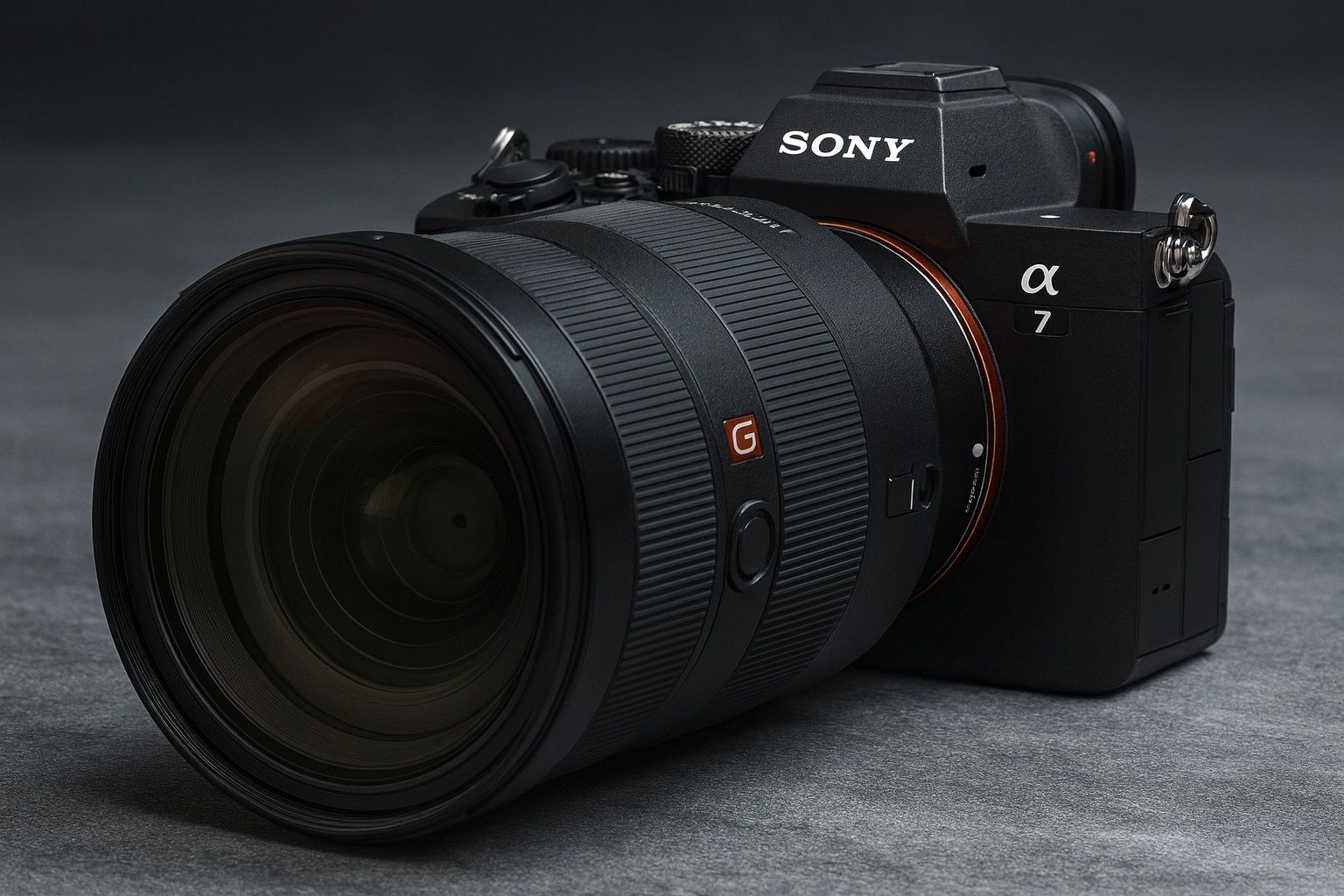
The Sony A7 IV features a 33MP sensor with strong high-ISO performance and built-in interval shooting, priced near $2,000 new. Canon’s discontinued EOS Ra and Nikon’s D810A both offer four times standard hydrogen-alpha sensitivity for deep-sky imaging; the D810A allows up to 900-second exposures in-camera, while the Ra requires external triggers for long exposures. Used prices for the Ra and D810A range from $1,500 to $1,800.
10 August 2025
MUST-SEE Optics: 2025’s Best Binoculars & Monoculars (Plus 2026’s Game-Changers Revealed)

MUST-SEE Optics: 2025’s Best Binoculars & Monoculars (Plus 2026’s Game-Changers Revealed)

Swarovski NL Pure 10×42 leads premium optics at $2,500+ with 91% light transmission and a 70° field of view. Zeiss SFL 40 & 50 models launched in 2025 at $1,799–$1,999, featuring magnesium housing and Schott HD glass. Celestron Nature DX ED 8×42 remains a top budget pick at $200. AI-powered Swarovski AX Visio 10×32 debuted in 2024 at around $5,000, offering real-time bird identification.
31 July 2025
Beyond the Eyepiece: The Next-Gen Microscopes of 2025–2026 Revolutionizing How We See the World

Beyond the Eyepiece: The Next-Gen Microscopes of 2025–2026 Revolutionizing How We See the World

Zeiss launched Lightfield 4D in March 2025, enabling instant volumetric imaging in LSM 910/990 microscopes at up to 80 stacks per second, with Microscopy Copilot AI. Nikon released the Eclipse Ti2-I in July 2025 for IVF clinics, consolidating controls and reducing workflow steps by up to 75%. Leica’s Visoria series debuted in May 2025 with tablet-based viewing and automatic metadata encoding.
2025–2026 Camera Wars: Mirrorless Titans, Action Heroes & 360° Innovations Unveiled

2025–2026 Camera Wars: Mirrorless Titans, Action Heroes & 360° Innovations Unveiled

Sony Alpha 1 II launches late 2024 with a 50 MP stacked sensor, 30 fps bursts, AI autofocus, and 8K video at $6,500. Sony Alpha 9 III debuts global shutter tech, 120 fps bursts, and 4K/120 video for $5,999. Canon, Nikon, Fujifilm, OM System, Insta360, and GoPro announce new high-speed, high-res models for 2024–2025, with prices ranging from $399 to $7,500.

Stock Market Today

  • Silicon Motion (SIMO) Rises Despite Market Downturn, Strong Earnings Anticipated
    March 19, 2026, 7:45 PM EDT. Silicon Motion (SIMO) closed up 1.67% at $127.50, outperforming the S&P 500's 0.28% decline. Despite a 5.54% drop over the past month, SIMO is set for a significant earnings report, with analysts predicting $1.23 per share - a 105% year-over-year surge. Revenue is expected to reach $299.61 million, up nearly 80% from last year. Full-year projections show earnings of $5.8 per share and revenues hitting $1.27 billion, marking growth of 63% and 43% respectively. The stock holds a Zacks Rank #1 (Strong Buy), with recent upward estimate revisions signaling confidence. SIMO trades at a forward price-to-earnings (P/E) ratio of 21.61, slightly above its industry average, and maintains a PEG ratio of 0.77, matching its sector. The Computer - Integrated Systems industry ranks in the top 10%, underpinning favorable future performance prospects.
Go toTop