
NEW YORK, May 14, 2026, 05:05 EDT
- Cerebras set the price for its 30 million Class A shares at $185 apiece, pulling in $5.55 billion ahead of any underwriter allotment.
- Shares are set to debut on Nasdaq May 14 with the ticker CBRS.
- Reuters reported the deal puts Cerebras’ fully diluted valuation at $56.43 billion.
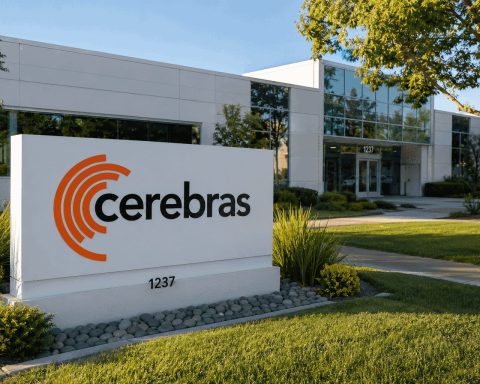
Cerebras Systems Inc. has set its IPO price at $185 per share, topping the increased range and hauling in $5.55 billion—marking the biggest debut of the year so far. The AI chipmaker out of Sunnyvale, California, is slated to list on the Nasdaq Global Select Market under the ticker CBRS, with trading set to kick off Thursday.
Timing is key here. Public investors now get an unusual shot to invest straight into the infrastructure behind artificial intelligence — not just training, but inference, the stage where an AI model actually spits out text, code, or whatever else the prompt calls for. Back in January, OpenAI broke down inference as a cycle: you send the request, the model does its “thinking,” and then you get the response. OpenAI
The deal is putting the strength of the AI rally to the test, following the frenzied run-up in Nvidia and other chip stocks. According to Reuters, investor demand for the IPO outstripped the available shares by more than 20 times. Cerebras had already bumped its price range to $150–$160 from the initial $115–$125, while also boosting the offering to 30 million shares, up from 28 million.
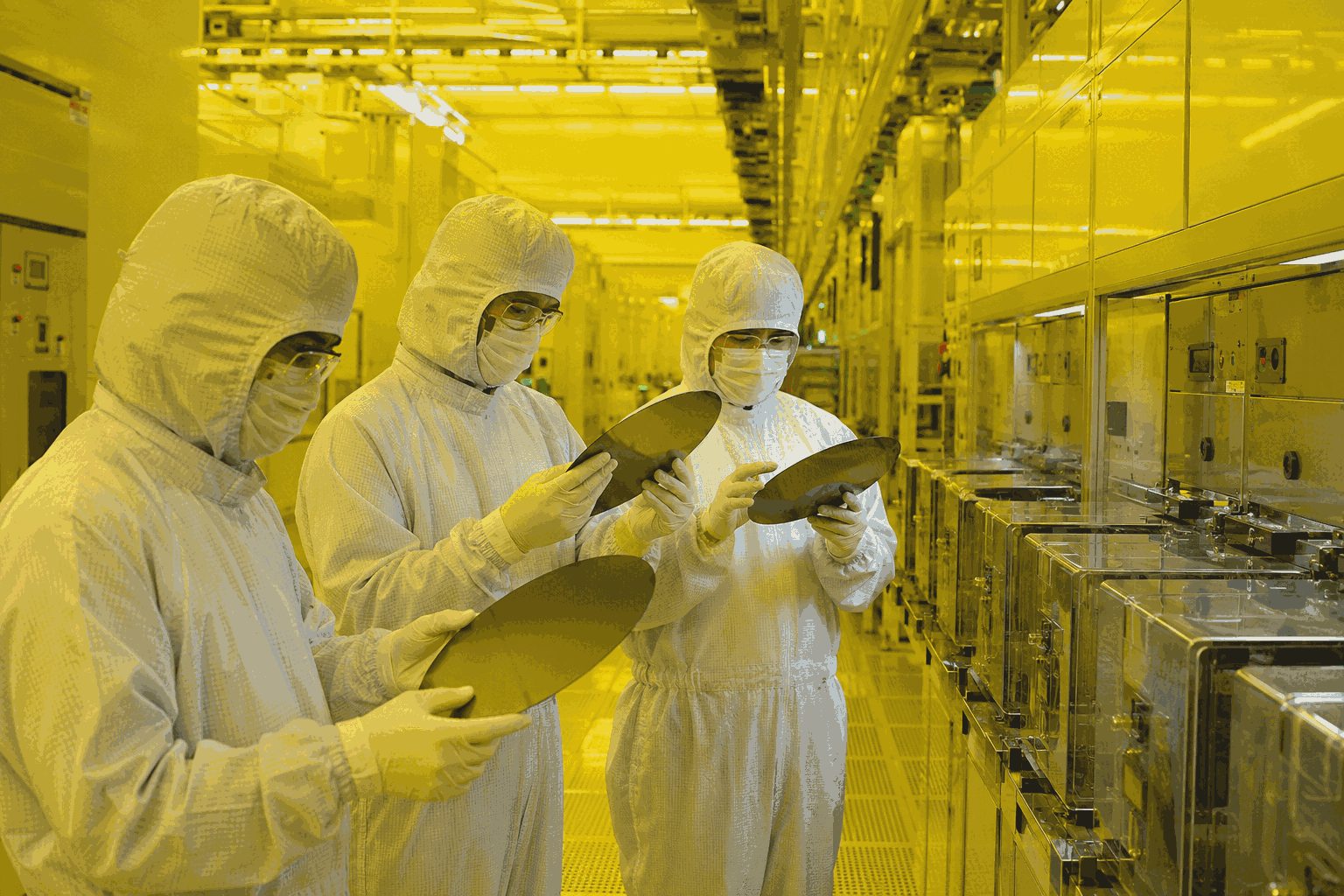
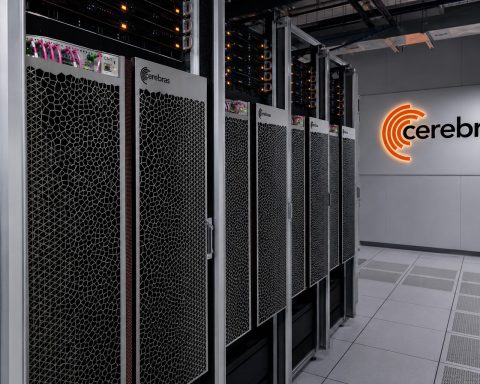
Cerebras, which builds oversized processors designed for AI, is looking to carve out space in a sector where Nvidia still sets the pace. According to the company, its latest Wafer-Scale Engine 3 chip is a giant—58 times the size of a top GPU chip—and, depending on the open-source model, can run inference tasks up to 15 times faster than leading GPU-based systems.
Revenue jumped to $510 million in 2025, up from $290.3 million the previous year, filings seen by Reuters show. Still, The Financial Times flagged a $146 million operating loss for Cerebras in 2025. Investors, meanwhile, valued the IPO at about 111 times last year’s revenue.
OpenAI sits at the core of the bull thesis here. Back in January, OpenAI announced a partnership with Cerebras to roll out 750 megawatts’ worth of low-latency AI compute, with the ramp-up set to happen in phases up to 2028. OpenAI’s Sachin Katti described Cerebras as a “dedicated low-latency inference solution.” On the Cerebras side, CEO Andrew Feldman put it simply: “real-time inference will transform AI.” OpenAI
Amazon Web Services also serves as a key channel to potential users. Back in March, AWS announced plans to roll out a system combining Trainium chips and Cerebras CS-3 inside its data centers, giving customers access via Amazon Bedrock. “Speed remains a critical bottleneck for real-time AI workloads,” said David Brown, vice president of compute and machine-learning services at AWS. Amazon News
Prediction-market traders tilted toward the idea of a day-one pop. On Polymarket, bets on Cerebras’ IPO closing market cap had the $60 billion to $70 billion range in front at roughly 33%, and a separate market pegged a $50 billion-plus finish at 96%. Volumes weren’t huge—$99,800 and $139,600, according to the two pages.
Public-market players aren’t the only ones circling. According to Bloomberg, Arm Holdings and its majority shareholder SoftBank made an early move to buy Cerebras ahead of the IPO—a bid Cerebras turned away. None of the parties—SoftBank, Arm, or Cerebras—responded to requests for comment, Bloomberg said.
The risks, though, are clear. According to the Financial Times, two customers—G42 and Mohamed bin Zayed University—were responsible for 86% of Cerebras’ revenue last year, making the company heavily reliant on just a handful of big clients. The same article highlighted ongoing hurdles: scaling up and manufacturing remain persistent issues for chip startups like Cerebras as they try to compete with much larger industry players.
Cerebras has handed underwriters a 30-day window to pick up as many as 4.5 million extra shares at the IPO price, minus the usual underwriting fees and commissions. Topping the bookrunner list: Morgan Stanley, Citigroup, Barclays, and UBS Investment Bank. Closing is slated for May 15, pending standard closing conditions.
The opening trade won’t end the debate. What it does do: reveal if Wall Street, right now, is game to pay up for an alternative AI compute play outside Nvidia — and if Cerebras can translate those big contracts into a business that actually repeats.


![US Stock Market Today 08/24/2026 [UPDATE: 00:06 EDT] [Alibaba Dilution Joins Memory Selloff in Overnight Trade]](https://ts2.tech/wp-content/uploads/2026/08/US-market-dashboard-2026-08-24-0003-480x384.jpg "US Stock Market Today 08/24/2026 [UPDATE: 00:06 EDT] [Alibaba Dilution Joins Memory Selloff in Overnight Trade]")
![Australia Stock Market Today 24/08/2026 [UPDATE: 13:37 AEST] [BHP Extends ASX Rally as Financials Hold Back Breadth]](https://ts2.tech/wp-content/uploads/2026/08/AU-market-dashboard-2026-08-24-1337-480x384.jpg "Australia Stock Market Today 24/08/2026 [UPDATE: 13:37 AEST] [BHP Extends ASX Rally as Financials Hold Back Breadth]")