
NEW YORK, June 3, 2026, 4:03 p.m. EDT
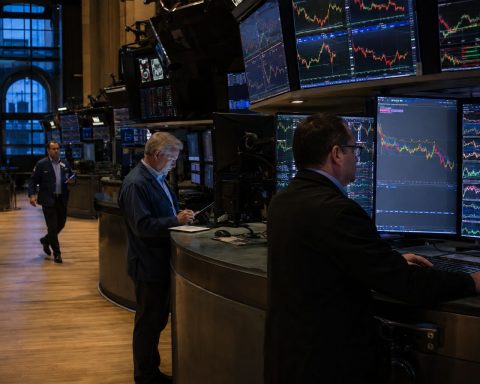
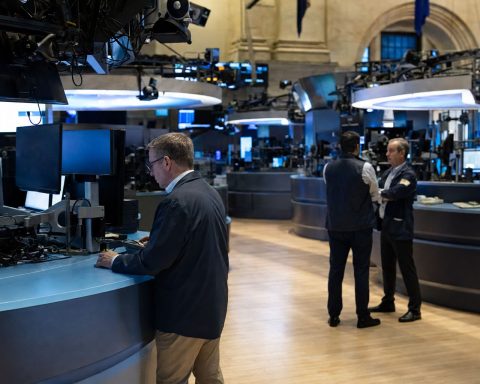
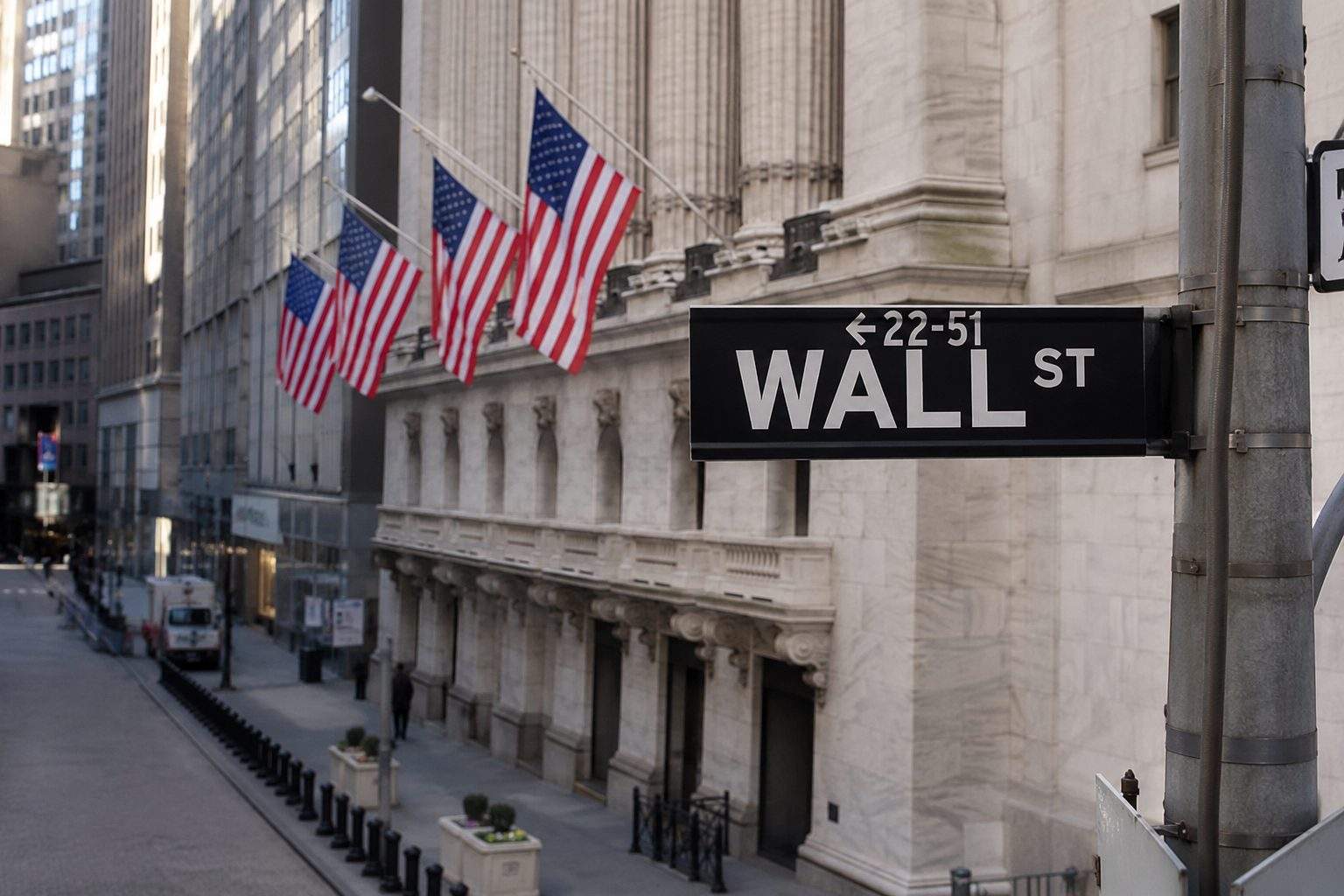
Stocks pulled back from record levels on Wednesday, with the market closing lower after renewed U.S.-Iran fighting sent oil prices up and raised fresh concerns about stubborn inflation. According to preliminary figures, the Dow Jones Industrial Average lost 581.84 points, or 1.13%, to 50,725.95. The S&P 500 slid 54.11 points, or 0.74%, to 7,555.67, while the Nasdaq Composite fell 230.97 points, or 0.85%, to 26,862.93.
Stocks were already edging higher on corporate earnings and excitement about artificial intelligence (AI), a term covering software and chip tools for automating work. But traders still tracked oil and bond yields. The 10-year Treasury yield—the benchmark for U.S. government debt—moved up to around 4.49%, putting extra stress on growth shares.
Brent crude closed $1.81 higher at $97.81 a barrel. U.S. West Texas Intermediate picked up $2.26 to end at $96.02. The market is reacting to fresh fighting and a lack of progress in Tehran-Washington talks. Bob Yawger, director of energy futures at Mizuho, said the odds of a ceasefire look to be “moving in the wrong direction.” Emril Jamil, senior oil analyst at LSEG, said stalled talks plus inventory warnings are tacking a risk premium onto prices. Reuters
Stocks sold off, but this wasn’t a sweeping panic. The usual groups—financials and tech—pulled the major indexes down. Chip stocks bucked the trend and kept some buyers.
Ross Mayfield, investment strategy analyst at Baird, said AI-tied stocks are moving in a “separate world,” less connected to macro or geopolitical risks compared to other sectors. Chip names like Marvell, Intel and Qualcomm did better than the rest, keeping the AI trade in play even as the market slipped. Reuters
Economic numbers handed fuel to both sides of the market. The Institute for Supply Management’s services PMI came in at 54.5 for May, up from 53.6 in April and above forecasts. That signals expansion. But the prices-paid part of the survey jumped to 71.3, its highest since August 2022. ADP also reported private employers added 122,000 jobs in May. BMO Capital Markets senior economist Priscilla Thiagamoorthy said that kind of mix probably keeps Fed officials in “wait-and-see mode.” Samuel Tombs at Pantheon Macroeconomics said signs of fresh labor-market momentum “remains unconvincing.” Reuters
New York Fed President John Williams looked to calm nerves around rates. He told Yahoo Finance the current policy is “exactly in the right place” and said there’s no reason now to change rates either way. The Fed isn’t planning a rate hike at the June 16-17 meeting, where markets see the target range staying at 3.50%-3.75%. Reuters
Traders made some moves. According to Reuters, markets now price in over a 40% chance of a Fed rate hike by December, up from 9.1% just a month ago. Bill Northey, senior investment director at U.S. Bank Wealth Management, said the market is stuck between solid U.S. fundamentals and concerns that the Middle East conflict could drag on long enough to push up inflation expectations.
GameStop rallied as it posted better quarterly revenue and set out a $2 billion buyback plan. Traders also waited on Broadcom’s results, set to arrive after the close, as another read on the AI infrastructure story. Single stock trading signalled the market is still reacting to company news.
There’s risk on both sides. A solid ceasefire or if the Strait of Hormuz reopens, oil could drop and stocks might rebound. But if disruption lasts, inflation could climb, margins might get squeezed, and hopes for Fed easing could get pushed back. Options traders flagged that investors hadn’t bought enough protection against a drop. Brent Kochuba of SpotGamma said the market was set up for “volatility spasms.” Maxwell Grinacoff at UBS said things have become “significantly more fragile.” Reuters
Bulls aren’t out of luck, but the after-hours tone shifted. It’s clear the hurdle is higher now. AI keeps pulling parts of the tape, though oil, yields, and the Fed have moved back into view.
Related articles: NASDAQ:QCOM