
HOUSTON, May 10, 2026, 13:04 CDT
- Coterra Energy is no longer a standalone NYSE-traded company after Devon Energy closed its all-stock merger with the Houston shale producer.
- Each Coterra share has been converted into 0.70 Devon shares, with cash for fractional shares.
- Devon followed the closing with an $8 billion buyback plan and a higher fixed dividend, putting shareholder returns at the center of the combined company’s first week.
Coterra Energy Inc. has effectively left the public market after Devon Energy completed its all-stock merger with the Houston-based shale producer, creating a larger U.S. oil and gas company that will keep the Devon name and trade under “DVN.” The combined company is now headquartered in Houston, with a major presence remaining in Oklahoma City. Devon Energy Investors
The immediate issue for Coterra investors is simple: CTRA is gone from the board. A Coterra filing showed its common stock stopped trading before the market opened on May 7, after the company asked the NYSE to delist the shares and the exchange filed a Form 25 removal notice.
Under the deal terms, each Coterra share was converted into the right to receive 0.70 Devon share, plus cash for any fractional share. Former Devon holders own about 54% of the combined company, while former Coterra holders own about 46% on a fully diluted basis.
The timing matters because Devon moved quickly to frame the deal around cash returns. The company said its board approved an $8 billion share-repurchase authorization, a buyback plan that lets a company purchase its own stock, and a quarterly fixed dividend of 32 cents a share, payable June 30 to shareholders of record on June 15.
Devon CEO Clay Gaspar said the company would be “active and opportunistic” with the buyback program after the merger closed. Devon said the authorization expires on June 30, 2029, and that the pace of repurchases will depend on market conditions, commodity prices, cash flow and debt goals. Devon Energy Investors
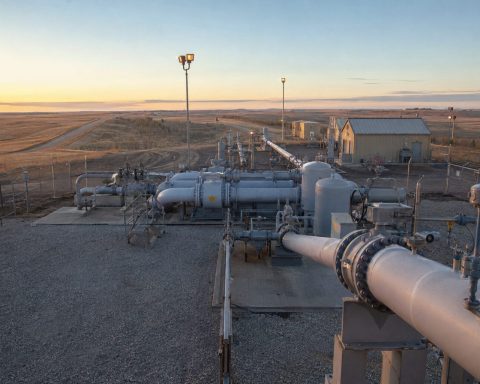
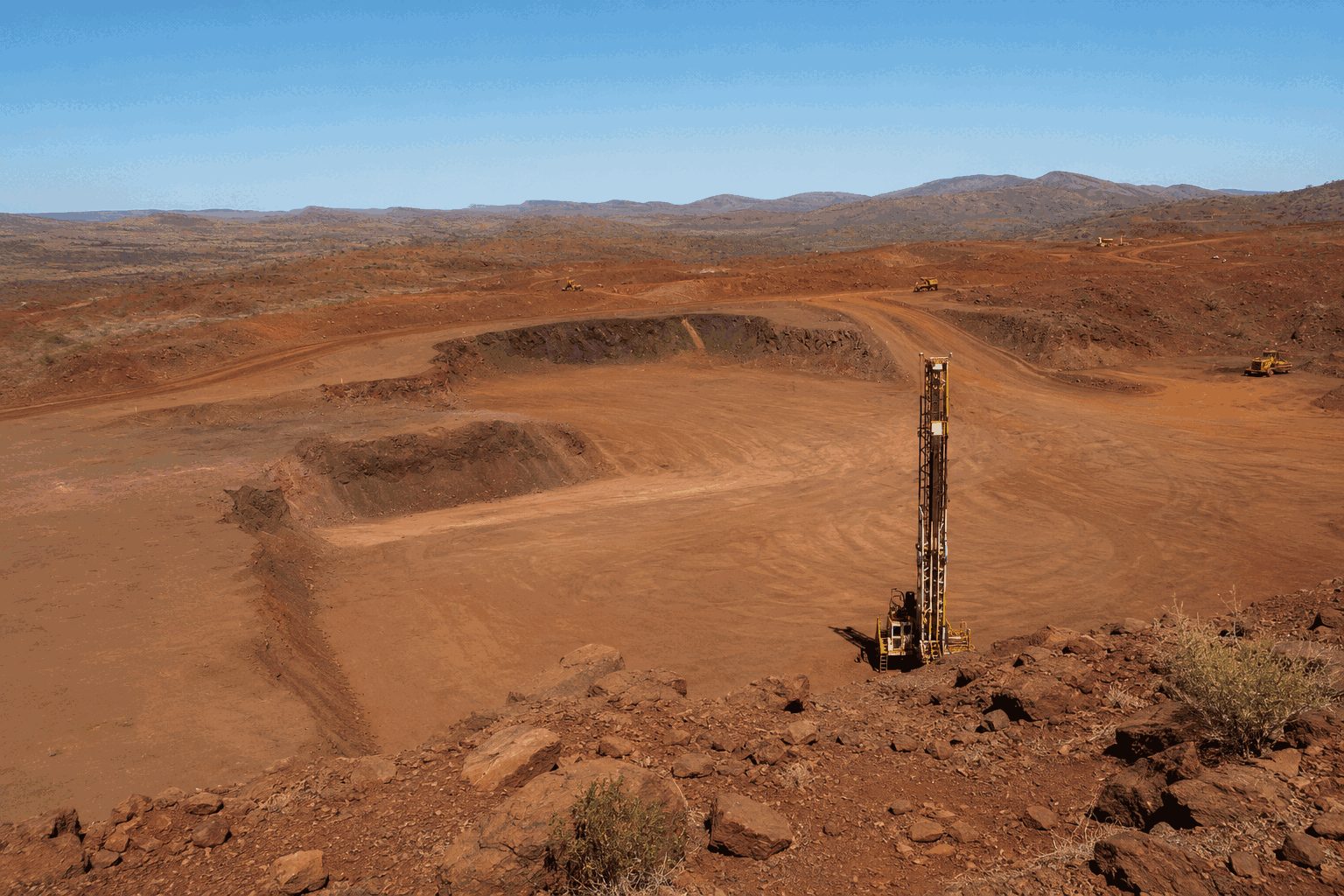
The merger gives Devon more scale in the Delaware Basin, an oil-rich part of the larger Permian Basin in Texas and New Mexico, and adds Coterra’s gas-heavy Marcellus and Anadarko assets. Devon and Coterra had pitched the transaction as a way to generate $1 billion in annual pre-tax synergies, meaning expected cost savings and operating benefits, by the end of 2027.
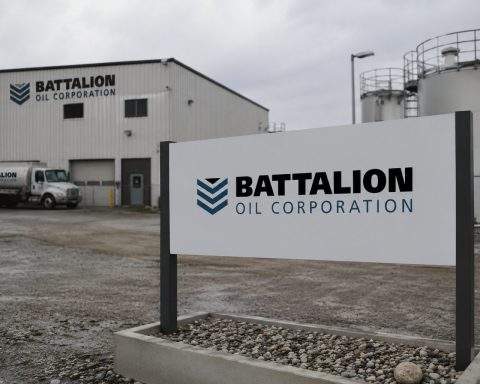
Coterra’s own website now points investors and other visitors to Devon, saying the merger was completed on May 7. That marks the end of Coterra’s run as a separate listed company after years operating across the Permian Basin, Marcellus Shale and Anadarko Basin.
The deal also keeps pressure on rivals in U.S. shale, where bigger operators have been buying acreage and drilling inventory to lower costs per barrel. Reuters reported when the deal was announced that the $58 billion enterprise-value combination was the sector’s largest since Diamondback Energy bought Endeavor Energy Resources for $26 billion in 2024.
Some analysts saw the logic. Gabriele Sorbara, an analyst at Siebert Williams Shank & Co., told Reuters in February the merger was “incrementally positive” for both sets of holders because it created a larger company that could draw more investor interest in a volatile energy market. Reuters
There is a catch. Kimmeridge, an activist investor that Reuters said held about 1.4% of Devon, has pushed the incoming board to sell non-core assets, sharpen capital allocation and revise executive pay, warning the company could face a “conglomerate discount” if it looks too sprawling. Reuters
Devon has not yet given full combined-company operating guidance. It said it expects to provide updated financial and operational targets reflecting the Coterra merger from May 7 forward in mid-June, leaving investors to wait for details on production plans, spending levels and how fast the promised savings can be turned into cash.
Related articles: Energy Sector