
NEW YORK, June 1, 2026, 15:05 EDT
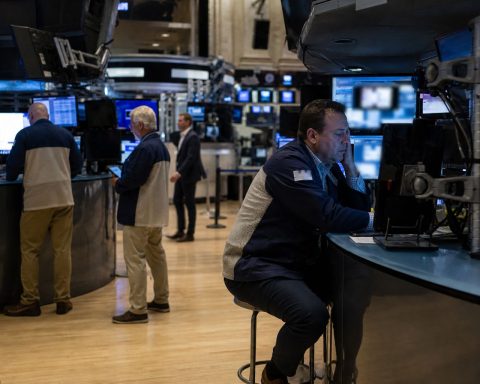
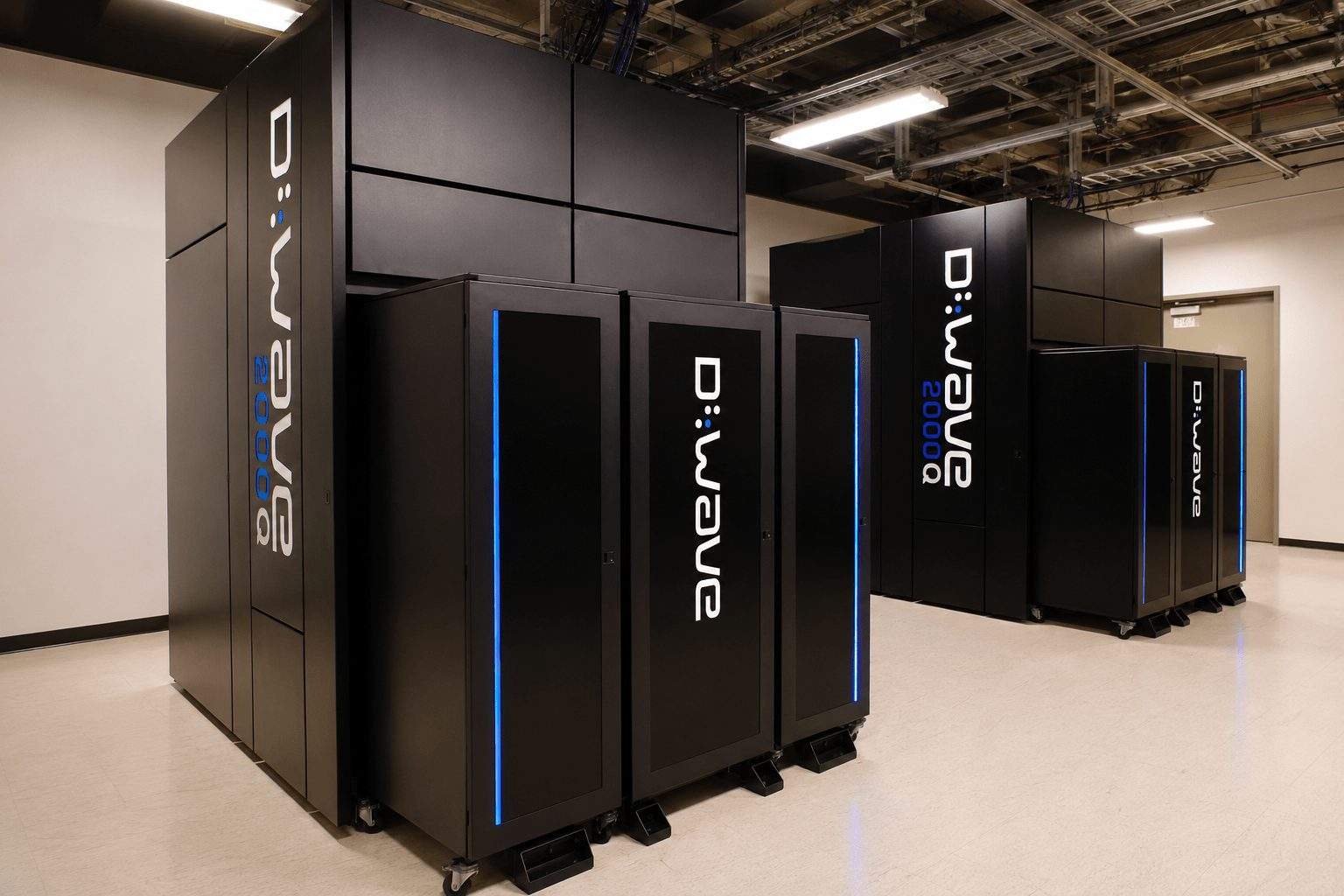
D-Wave Quantum Inc. shares traded higher on Monday afternoon after the company laid out its new gate-model quantum-computing roadmap at its first investor day on the New York Stock Exchange. D-Wave is targeting 100 logical qubits by 2032. Shares were recently up 1.2% at $30.50. That puts D-Wave’s market cap near $11.2 billion.
D-Wave is mostly known for annealing, the type of quantum computing focused on optimization tasks like scheduling, routing and resource allocation. The new attention on gate-model quantum computing is notable—this method uses gates to change quantum bits and is the setup many investors look for when considering applications in science and industry.
D-Wave traded in a range from $27.91 up to $31.09, with volume topping 40 million shares in the session. Broader markets showed gains. The Invesco QQQ Trust, which tracks big tech names, added 0.8%. The SPDR S&P 500 ETF was up 0.4%.
Quantum-computing stocks didn’t move in one direction. Rigetti Computing rose 2.5% to $26.17, but IonQ fell 1.0% to $71.38. D-Wave still has to prove it can do more than protect its annealing niche as it tells investors it can compete more widely.
D-Wave laid out its plans in a filing, saying it targets a 17-physical-qubit system in 2026, then 49 in 2027, moving to 181 physical qubits in 2028. The company aims for a 10-logical-qubit system by 2030 and 100 logical qubits by 2032. Physical qubits are hardware; logical qubits use error correction so calculations run with less risk of failure.
D-Wave CEO Alan Baratz said the company has a “highly differentiated and credible path” to fault tolerance. That’s about building systems that keep computing even as errors crop up. D-Wave said its dual-rail qubit setup is designed to catch errors as computations run. The company is also aiming for systems that can handle over 1 million operations by 2032. D-Wave Quantum
D-Wave’s latest pitch comes after its January buyout of Quantum Circuits, which added superconducting dual-rail tech. In May, D-Wave said the purchase should help it move faster to large-scale, error-corrected gate-model systems.
D-Wave’s financial base remains limited. The company posted first-quarter revenue of $2.9 million, an 81% drop from the same period last year. Bookings jumped to $33.4 million. Remaining performance obligations were $42.4 million, showing contracted revenue still to be delivered.
D-Wave had $588.4 million in cash and marketable securities at the end of March, up 93% from last year. The company posted a net loss of $18.4 million for the quarter. Management has some flexibility with the higher cash balance.
D-Wave has policy backing too. On May 21, the company said it signed a letter of intent for $100 million in possible CHIPS Act funding. If the final documents go through, the U.S. Commerce Department would get common shares. CEO Baratz called it “a transformative moment” for D-Wave and U.S. quantum computing. D-Wave Quantum
D-Wave spelled out the risks in its annual filing. The company said its roadmap technology still isn’t available to customers and might fall short of what it aims for. It warned that newer versions of both annealing and gate-model products could be pushed back or not show up at all. D-Wave also said it has posted losses before and can’t promise investors it will turn a profit.
Right now, the market is looking at the roadmap as a test of execution. A 2032 target sets a date for investors but doesn’t prove anything yet. Next, the focus is on turning bookings, government support, and technical progress into revenue that can hold up once the company faces the public market.
Related articles: Innovation