
BOSTON, April 21, 2026, 10:38 EDT
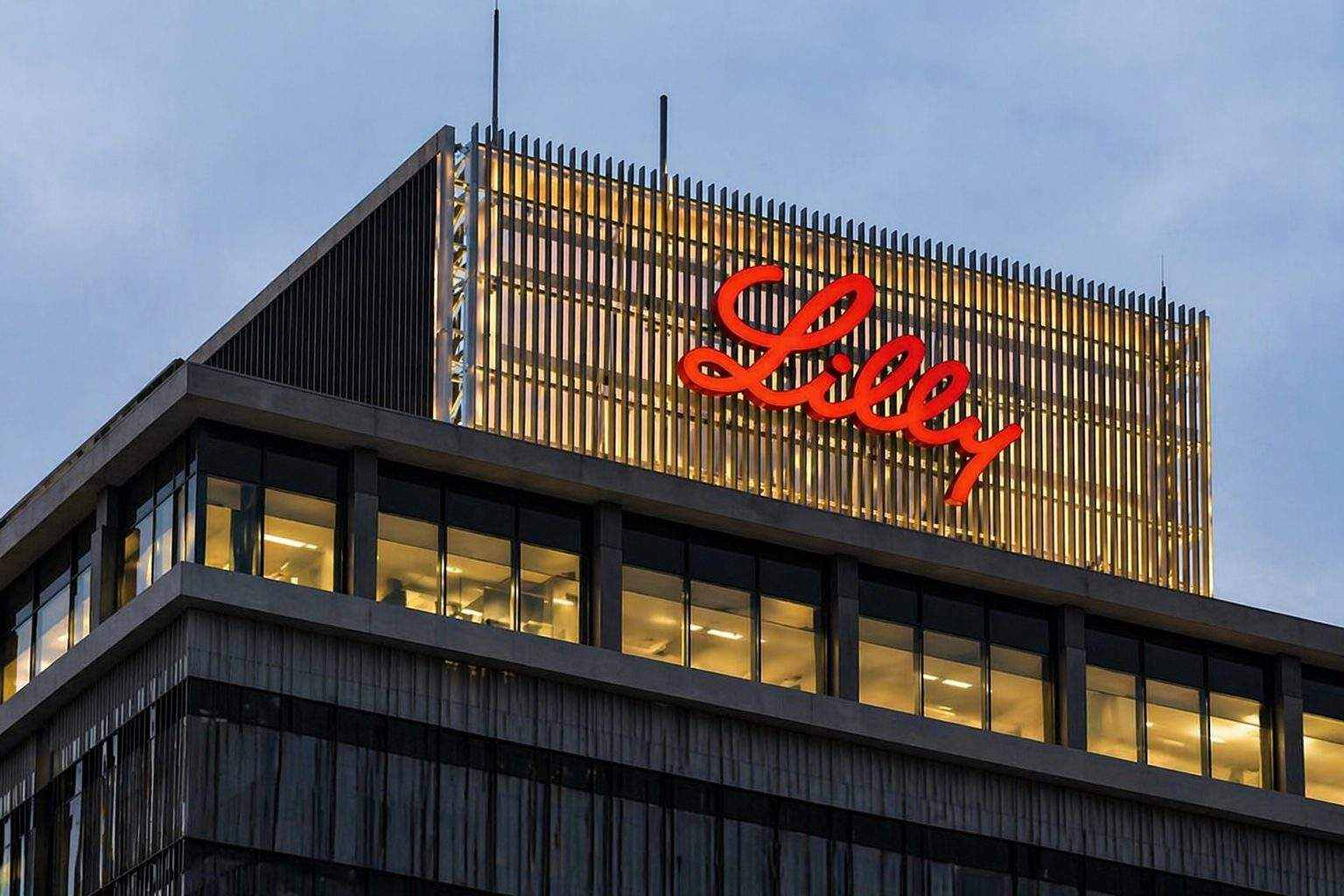
Eli Lilly on Monday agreed to buy Boston’s Kelonia Therapeutics in a deal valued at up to $7 billion in cash, adding a fresh in vivo cell therapy play to its pipeline. The drugmaker will pay $3.25 billion upfront, with the balance subject to hitting clinical, regulatory, and commercial milestones.
This counts for Lilly, which is currently pouring cash into expanding outside its obesity business—even as rivals close in on the weight-loss drug market. The deal hands Lilly a stronger foothold in oncology too. IQVIA projects worldwide cancer drug spending could jump from about $223 billion last year to $409 billion by 2028.
Kelonia’s KLN-1010, the company’s leading asset, has reached Phase 1 trials for relapsed or refractory multiple myeloma—a form of blood cancer. This is an in vivo CAR-T program, meaning patients’ T-cells are engineered within their own bodies, rather than produced externally. The approach aims to sidestep manufacturing bottlenecks and the extended wait times that come with existing CAR-T therapies.
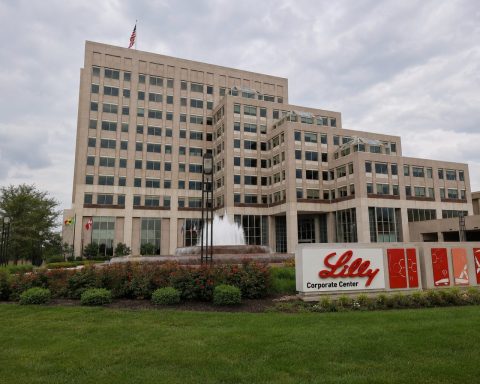
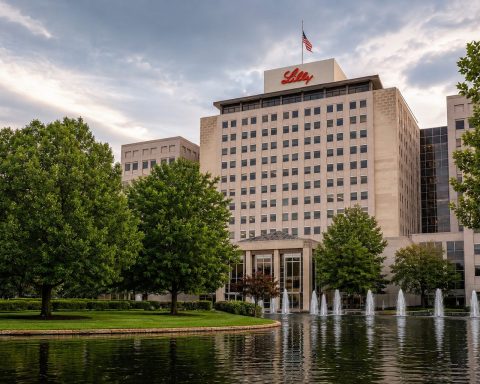
Lilly Oncology president Jacob Van Naarden pointed to a “simpler, off-the-shelf” approach that could move things faster for patients. Kevin Friedman, CEO at Kelonia, sees Lilly’s reach taking the platform further, pushing it past current blood-cancer applications. Data from Kelonia in December 2025 showed all four patients in its first human trial were still responding, with follow-up out to five months. Eli Lilly and Company
If KLN-1010 can deliver similar results in larger trials, Lilly could find itself competing in territory already marked by Johnson & Johnson’s Carvykti and Bristol Myers Squibb’s Abecma—both are CAR-T therapies targeting BCMA in multiple myeloma. Alongside that, Kelonia provides Lilly not just a candidate drug, but a new platform.
The price tag highlights what buyers will shell out to secure a head start in in vivo cell therapy. Kelonia board member Bryan Roberts of Venrock called Lilly’s sizable commitment a “testament to the data.” RBC Capital Markets analyst Trung Huynh described in vivo CAR-T as the “holy grail” of cell therapy, saying the high upfront sum makes sense given both the results and the jostling for this asset. Reuters
Lilly’s M&A spree for 2026 keeps rolling—Kelonia marks the company’s third Massachusetts deal this year. The pharma giant locked in a $2.4 billion buyout of Orna Therapeutics back in February, then followed up with a $7.8 billion Centessa Pharmaceuticals agreement on March 31. If this Kelonia acquisition closes, Lilly will add another 62 employees, most of them in Boston, according to the Boston Globe.
What happened at Kelonia was a striking reversal. According to STAT, the company managed to stretch $60 million across five years, nearly exhausting its funds on three separate occasions—sometimes just a week from emptying the coffers—before Lilly stepped in with an offer. All this, even with backing from Venrock during its earliest stages.
Still plenty of unknowns here. KLN-1010 is only at Phase 1, and just four patients’ worth of human data are in so far. Lilly’s full payout isn’t coming unless the program gets through more clinical, regulatory, and commercial milestones. The companies see the deal closing in the second half of 2026, pending approvals. By 10:20 a.m. EDT on Tuesday, Lilly shares were off about 2.5% at $897.19.
Related articles: NYSE:LLY




![Asia Stock Market Today 28/08/2026 [UPDATE: 00:51 SGT] [Salesforce Leads KASE Global Into Final Minutes After Asia’s Split Close]](https://ts2.tech/wp-content/uploads/2026/08/Asia-market-dashboard-2026-08-28-0051-480x384.jpg "Asia Stock Market Today 28/08/2026 [UPDATE: 00:51 SGT] [Salesforce Leads KASE Global Into Final Minutes After Asia’s Split Close]")