
New York, May 8, 2026, 07:03 (ET)
- AAA data showed U.S. regular gasoline averaged $4.546 a gallon on Friday—hovering close to the highest price seen since 2022.
- Oil erased earlier advances as fresh U.S.-Iran clashes flared near the Strait of Hormuz, with supply risks still embedded in prices.
- Analysts expect pump prices might dip following a deal, though not soon enough to reach pre-war levels before the year wraps up.
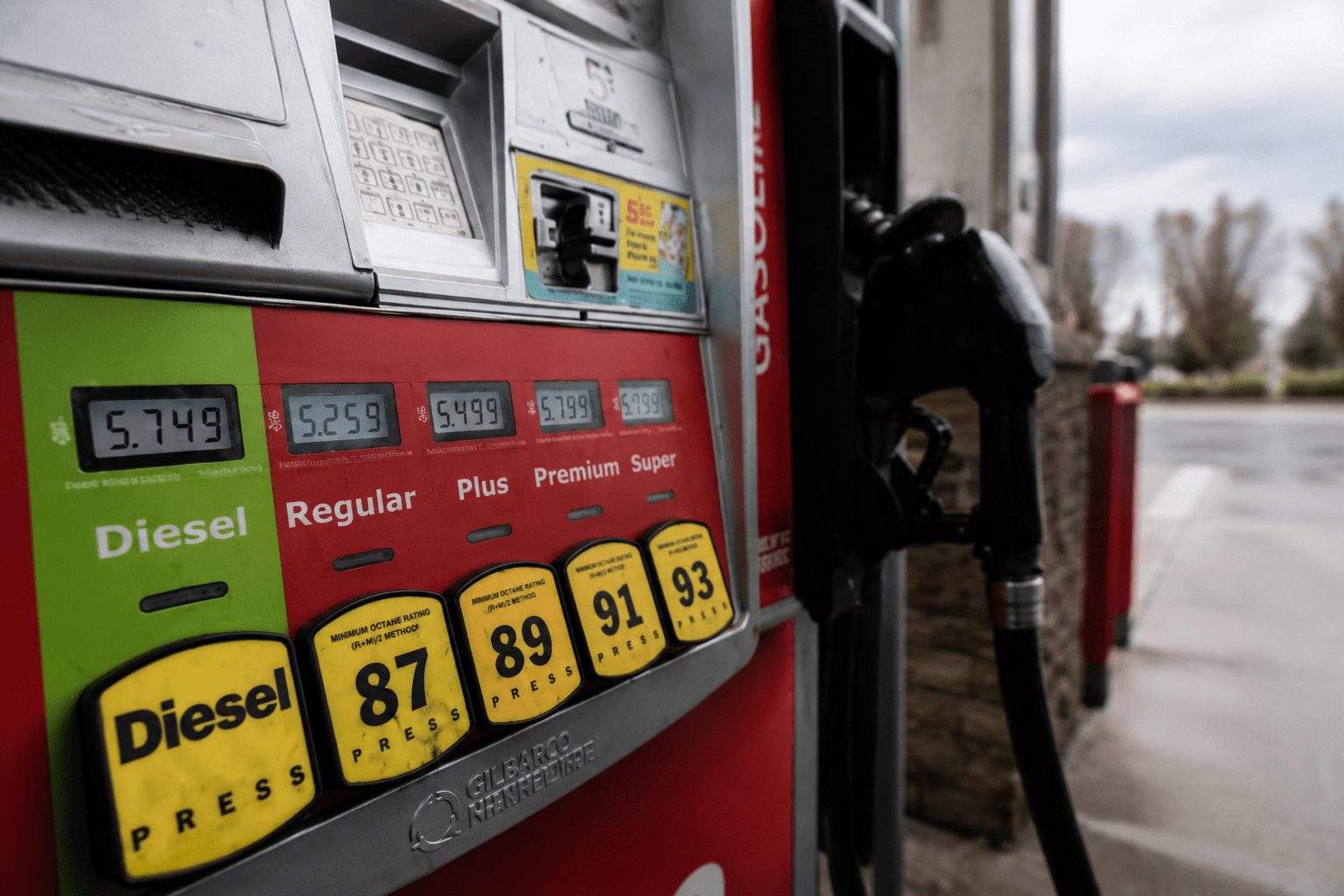
Gasoline prices across the U.S. stuck close to $4.55 a gallon Friday, traders caught between speculation over a potential U.S.-Iran peace breakthrough and renewed clashes around the Strait of Hormuz. For drivers, there’s not much hope of seeing pre-war prices just yet. AAA listed the national average for regular at $4.546 on May 8—a penny lower than Thursday, still up 15 cents compared to last week, and a hefty $1.39 jump from a year ago.
This comes just as the U.S. heads into peak summer driving, with fuel inventories looking sparse, oil hovering close to $100 a barrel, and a major Middle Eastern shipping route still only partially open. According to AAA, the national average jumped another 25 cents for the second week in a row, now at its highest point since 2022, when regular gas topped out at $5.01.
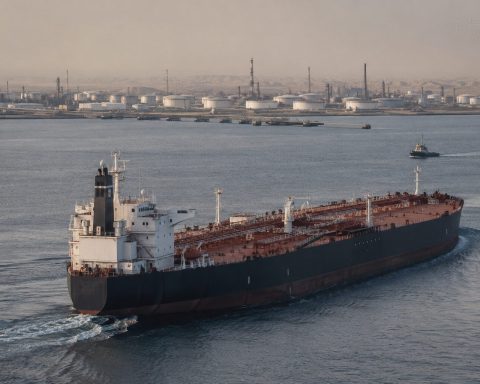
The Strait of Hormuz remains the choke point—roughly 20% of global crude moves through this slim stretch, but the war has left tankers stuck and flows throttled, according to the Associated Press. Gas prices? The AP puts regular unleaded at 52% above its level before the Iran war kicked off as of Wednesday.
Oil markets looked unsettled. Brent crude edged up 22 cents to $100.28 a barrel at 0947 GMT Friday, after earlier jumping as much as 3%. U.S. West Texas Intermediate ticked 5 cents higher to $94.86. Despite the uptick, both contracts remained on track for weekly losses of more than 7%, following reports suggesting a potential deal.
Don’t expect gas prices to drop overnight if a deal is reached. Patrick De Haan, GasBuddy’s head of petroleum analysis, told Axios that only about a third of the wartime price surge might unwind over the next one to three months. Pre-war prices? He’s not forecasting those until “early/mid 2027.” S&P Global Energy’s Rob Smith also weighed in, noting it could take months for Hormuz traffic to rebound, even if the conflict ends for good. Axios
Supply remains disrupted. Reuters noted that both inventories and emergency reserves have been tapped to help cushion the impact, but executives and analysts don’t see Middle East output and exports bouncing back to pre-war norms any time soon. TotalEnergies CEO Patrick Pouyanne warned the market might come out of the crisis with “some very low inventories.” Equinor’s Anders Opedal put a timeline of at least six months for things to normalize—even if peace arrives. Reuters
Retail pump prices don’t drop as fast as they jump. When crude spikes, gas stations hike prices in a hurry, but let them drift down slowly after oil retreats—a behavior economists dub “rocket and feathers.” Severin Borenstein at UC Berkeley described this phenomenon as “alive and well” to the Los Angeles Times. Clemson’s Matthew S. Lewis points out that as prices start dropping, drivers stop hunting for deals so aggressively, which feeds into the lag. Los Angeles Times
Crude oil sets the tone here. According to the U.S. Energy Information Administration, crude accounted for roughly 51.4% of the projected 2025 retail price for regular gasoline. The rest? Taxes, refining, distribution and marketing. So when the global oil trade gets rattled, U.S. gasoline prices often jump—even with domestic production running high.
Gulf producers aren’t all playing the same hand right now. The United Arab Emirates, according to Reuters, managed to push a handful of crude tankers through the Strait of Hormuz without their location trackers on, working with buyers to keep cargoes moving. By contrast, Iraq, Kuwait and Qatar either paused sales, dropped prices, or rerouted shipments. Abu Dhabi state giant ADNOC wouldn’t comment on those tanker moves.
Markets may have gotten ahead of themselves, betting on calm that isn’t locked in yet. “Questions over Gulf supply, inventories and post-settlement sanctions cannot be answered until there is a long-term solution,” said John Evans at PVM Oil Associates. Vandana Hari of Vanda Insights flagged an “optimism-biased market” that keeps latching onto any signs of a thaw. Reuters
For motorists, the immediate takeaway is simple: if Hormuz reopens and crude prices don’t rebound, some price relief could reach the pump, but a significant decrease may take a while to filter through. “Not much of a mystery” in how crude and gasoline have been tracking together lately, Columbia University’s Bob Kleinberg told AP. Any drop, he added, is likely to lag. AP News
Related articles: Energy Markets