WASHINGTON, April 8, 2026, 07:04 (EDT)
Gasoline prices across the U.S. held above $4 a gallon Wednesday, despite a sharp drop in oil following word of a two-week ceasefire between Washington and Tehran. Motorists hoping for quick relief didn’t get it. AAA listed the national average for regular at $4.164, and California’s number came in at $5.934 per gallon. Brent slid under $100 when Iran moved to reopen the Strait of Hormuz. AAA Fuel Prices
Fuel costs have shot to the top of Americans’ concerns about the war, according to a new Pew Research Center survey out Tuesday. Of the 3,507 U.S. adults polled, 69% said they were worried about rising gas and fuel prices—more than any other outcome on the survey. And for 45%, that concern reached the “extremely” level. Pew Research Center
Mono County, up by Yosemite near the Nevada border, is feeling it worst: AAA put the average price at $6.72 on Monday. Connie Lear, who lives in June Lake, said the town’s single gas station had prices closer to $7.50 a gallon. Bookings from visitors, she noted, have dropped from full-week stays to just four or five days. Local News 8
Remote markets get squeezed easily. Fuel for Mono County makes a trek of over 200 miles just to reach the nearest wholesale terminal. Without the bigger volumes or cutthroat competition that city stations enjoy, smaller gas stations in places like this don’t see those discounts. Tom Kloza, who tracks the industry independently and also advises Gulf Oil, pegs 200,000 gallons a month as the “sweet spot” for a station—drop below that mark, and things turn tough in a hurry. KOAT
California faces some expenses other states simply don’t. According to the California Energy Commission, the absence of fuel pipelines into the state means imported fuel can take as long as three weeks to show up. Crude price swings and refinery problems hit California’s pump prices harder than elsewhere. The agency noted that Valero’s Benicia refinery is set to halt refining operations by the end of April, which would leave just seven major refineries making gasoline that meets the state’s standards. California Energy Commission
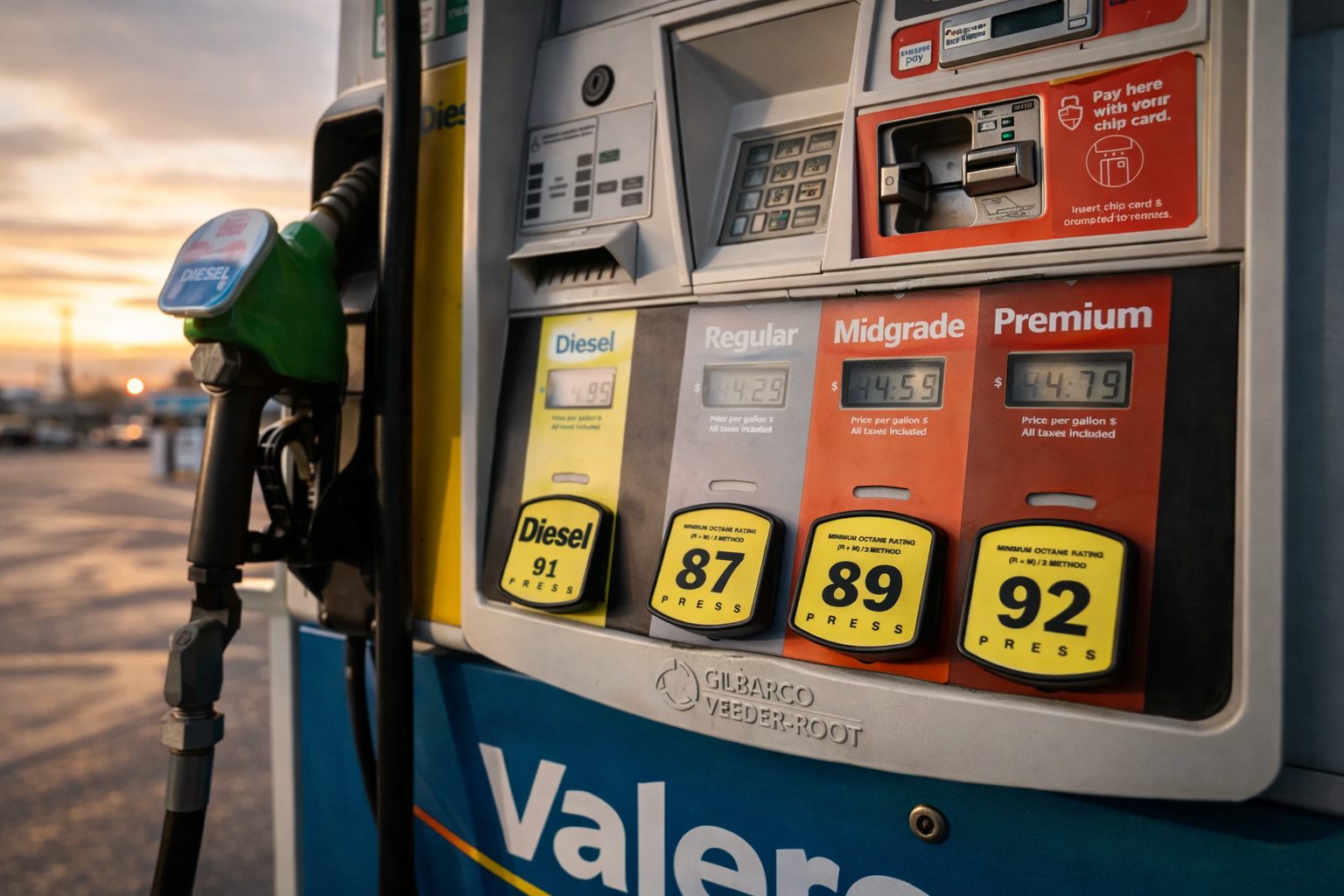
Drivers aren’t giving up their cars, but they are pinching pennies at the pump. NPR says mileage is actually up for Americans since the war started, despite experts pushing for smoother driving, lighter loads, and dialing back speed. Both AAA and Consumer Reports point out that around 50 miles an hour tends to be the sweet spot for fuel economy. As for premium gas? Most people don’t need it, according to Consumer Reports deputy auto editor Jonathan Linkov. “All cars, except the most esoteric supercars or older cars, can run fine on regular,” he said. CapRadio
Interest in electric vehicles is showing up in online searches, though that hasn’t translated into a clear uptick in actual sales yet. CarGurus reported a 31% jump in EV listing views over March, while Edmunds and CarMax noted heavier traffic for EV searches as well, according to an NPR piece from Georgia Public Broadcasting. “What consumers are viewing on the site tends to be an earlier indicator than sales,” said Kevin Roberts, who heads economic and market intelligence at CarGurus. Georgia Public Broadcasting
Cheaper oil doesn’t always show up right away at the gas station, a risk for drivers watching crude prices drop. The U.S. Energy Information Administration on Tuesday projected average gasoline at $4.30 a gallon this month, and flagged the potential for elevated prices to linger for months—even after Hormuz reopens. Getting oil moving again and boosting output isn’t instant, the agency said. The strait, a tight chokepoint, handles roughly 20% of global oil and gas shipments. Reuters
Relief is showing up, at least for now. Oil prices tumbled 13% to 15% after the ceasefire. According to GasBuddy’s Patrick De Haan, U.S. drivers might see pump prices drop—possibly within 48 hours, shaving off a few cents per day. Still, with the truce only temporary, anything that disrupts shipping or refining could quickly halt that downward move. axios.com