NEW YORK, March 14, 2026, 14:19 EDT
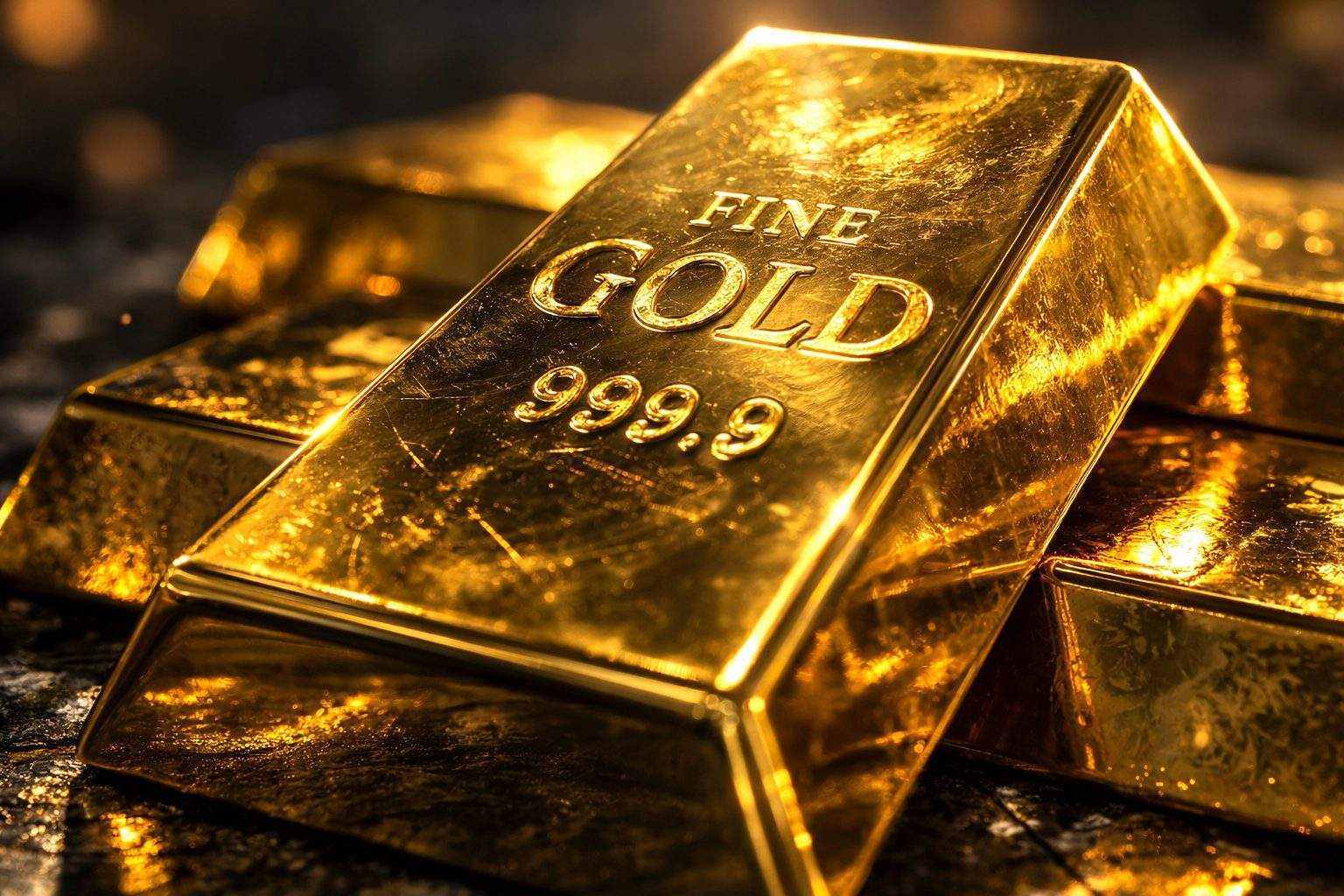
Gold slipped for a second week in a row on Friday, taking a hit from a stronger dollar and a flare-up in inflation fears tied to the war with Iran. By late afternoon, spot gold dropped 0.5% to $5,052.15 an ounce, while U.S. gold futures ended at $5,061.70. Silver, platinum, and palladium all logged declines, too. “Strongly bullish gold long term,” said independent metals trader Tai Wong, but he noted that the dollar’s strength was dragging bullion toward its lowest mark since the conflict started. Reuters
This is a live issue as gold approaches the Federal Reserve’s March 17-18 meeting, stuck between heightened war risk and a postponement of expected rate cuts. Early March numbers showed bullion holding onto a 19% gain for 2026 on top of a 64% surge last year, despite the dollar clawing back ground from other safe-haven plays. Reuters
Gold barely budged after Friday’s U.S. numbers. According to the Bureau of Economic Analysis, January personal consumption expenditures climbed 0.4%, with real PCE eking out a 0.1% gain. Core PCE—favored by the Fed and stripped of food and energy—also posted a 0.4% monthly increase, up 3.1% over the past year. With no yield to offer, gold often suffers when inflation runs hot and borrowing gets pricier. Bureau of Economic Analysis
Barclays on Friday moved its forecast for the Fed’s initial rate cut of 2026 out to September, scrapping its earlier June call and now looking for just a single quarter-point reduction in rates this year. Persistent core inflation and higher oil prices—spurred by Middle East tensions—were cited by the bank as limiting the Fed’s flexibility to loosen policy any time soon. Still, a sizable jump in unemployment could force a rethink. Reuters
It’s the same back-and-forth traders can’t seem to shake. Peter Grant, senior metals strategist at Zaner Metals, described it as a “push-and-pull”—haven flows driven by conflict set against the sticking power of higher rates. TD Securities’ Bart Melek noted that while oil’s come down from its triple-digit highs, prices remain inflationary enough to keep gold underpinned, just not so elevated that the Fed is forced to take rate cuts entirely off the table. Reuters
The physical market’s feeling the pressure too. According to three sources who spoke with Reuters on Friday, some outbound flights from Dubai—major bullion link to India, Switzerland, Hong Kong—had started up again, getting gold moving after weeks on pause. Flight traffic, though, was still at just 37% of usual levels. Delivery costs jumped. On top of that, Indian demand lagged so much that gold there was actually priced below London. Reuters
Short-term trading is showing some weakness, but forecasts haven’t budged. UBS bumped its March, June, and September 2026 gold targets up to $6,200 an ounce, keeping $5,900 as the year-end call. The bank left plenty of room for surprises—$7,200 is possible if geopolitical tensions escalate, while a firmer Fed could drag gold down to $4,600. Reuters
Other big banks fall into a similar band. Early February forecasts gathered by Reuters put UBS and JPMorgan in the $6,200-$6,300 camp for this year. Deutsche Bank’s number was $6,000, while Citi set its first-quarter base case just below, at $5,000. UBS analyst Giovanni Staunovo anticipates “a new record high above $6,200/oz.” Metals Focus director Philip Newman, for his part, flagged ongoing price swings—even as he left the door open to further gains. Reuters
This month, BNP Paribas took a bold step, lifting its 2026 gold price target by 27% to $5,620 and now eyeing a year-end high north of $6,250. “A coin toss” is how BullionVault research chief Adrian Ash described gold’s daily swings, though he maintains its long-term appeal sticks around if the conflict continues. Reuters
But there’s no shortage of cracks in the bullish outlook. Back in January, Goldman Sachs flagged the risk that if long-term policy worries ease, investors might unwind the macro hedges that fueled gold’s rally. The firm also cautioned that a hawkish Fed stance could crank up the pressure on the downside. Reuters
The latest Reuters survey, out Feb. 4 and canvassing 30 analysts and traders, set 2026’s median gold price at $4,746.50 an ounce—a record high in the poll’s history, fueled by ongoing geopolitical tensions and persistent central bank demand. But looking at next week, the outlook is more muted: a stronger dollar on one end, nerves on the other. Reuters