New York, February 4, 2026, 17:04 (EST) — Trading after the bell
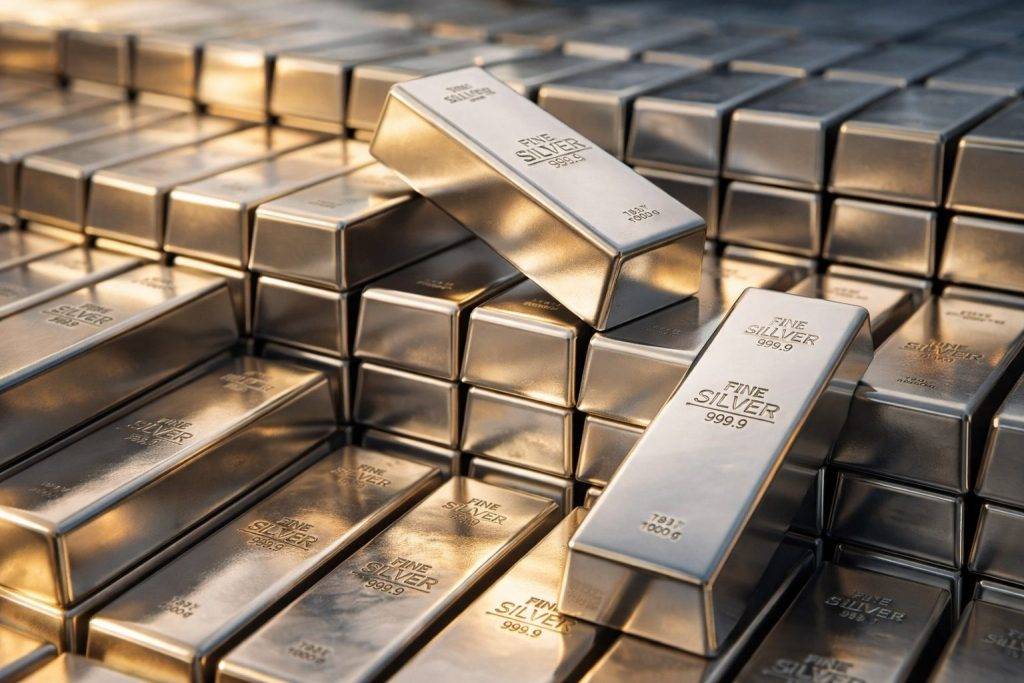
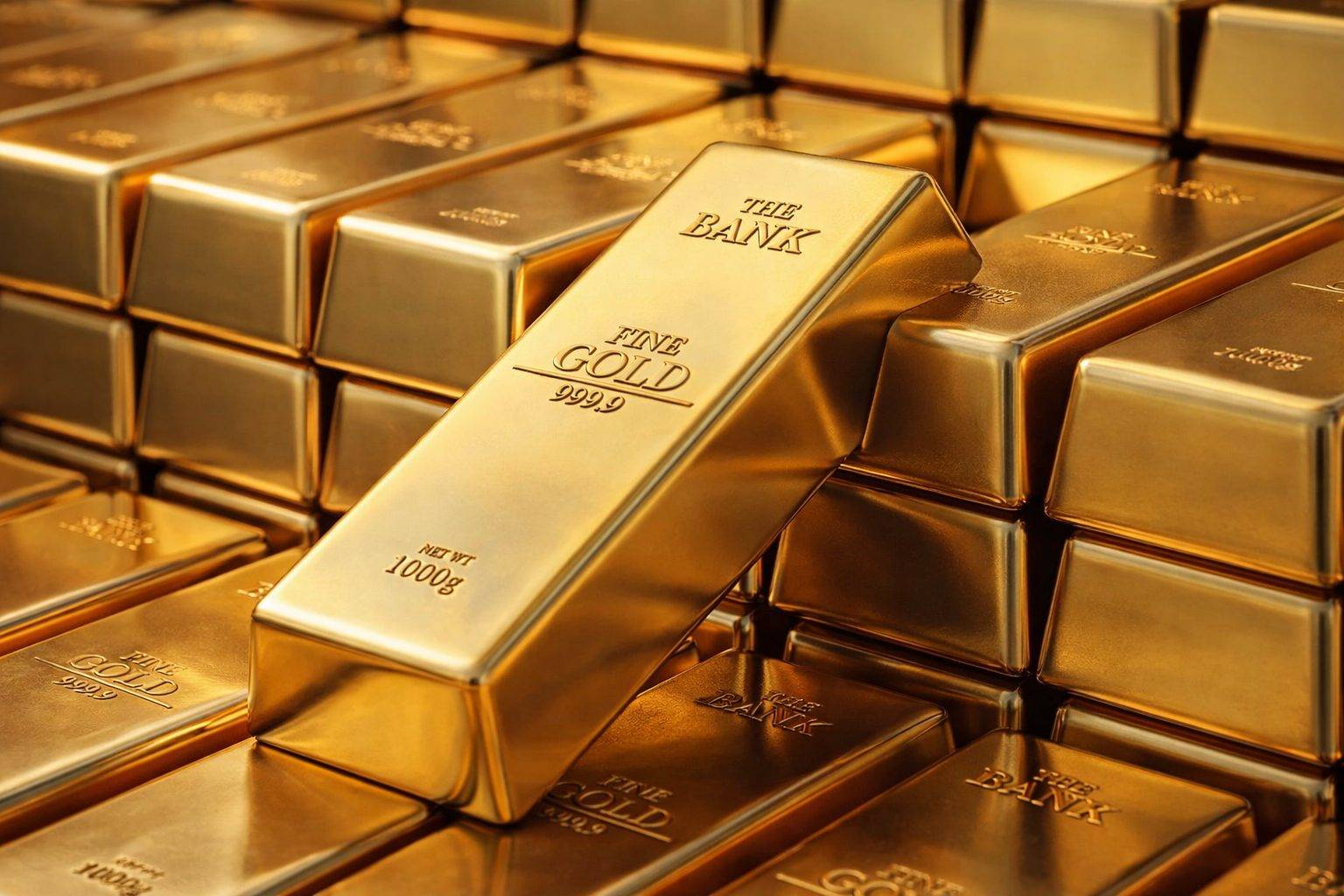
Spot gold, which trades for immediate delivery, closed almost unchanged Wednesday as a stronger dollar weighed on safe-haven demand. By 3:02 p.m. ET, spot gold inched up 0.02% to $4,939.42 an ounce. Meanwhile, spot silver climbed 2.12%, reaching $87.01. Reuters
The calm tape masks underlying turbulence. Gold has been swinging erratically between “macro hedge” and “forced sell,” unsettling traders. Even routine data releases are now sparking market moves.
Prices dipped after an early rally as the dollar gained ground and investors cashed in on gains from Tuesday’s jump. Spot gold slipped 0.3% to $4,924.89 an ounce by 1:31 p.m. ET, while April gold futures edged up 0.3% to settle at $4,950.80. “That strength put some pressure on gold,” said David Meger, director of metals trading at High Ridge Futures. Traders were digesting an ADP report showing 22,000 January private jobs and a delayed U.S. payrolls release now pushed to Feb. 11. Reuters
The dollar’s shift is crucial since gold is priced in dollars. As the greenback climbs, gold becomes pricier for buyers using other currencies, even if demand doesn’t change.
Geopolitical tensions lingered just beneath the surface. U.S. and Iranian officials announced plans for talks in Oman on Friday, though they’re still divided over Washington’s demand to cover missiles and related topics in the agenda. Reuters
Last week’s liquidation set the stage for what’s unfolding now. CME Group bumped up margin requirements on precious metals futures — the cash traders must lock in to keep their positions — after gold crashed 4.8% to $4,630.59 Monday afternoon, following a brutal 9.8% plunge on Friday. “Gold and silver are on a rollercoaster ride,” said John Meyer, analyst at SP Angel. Deutsche Bank’s Michael Hsueh added the market isn’t “primed for a sustained reversal.” Reuters
Bargain hunters jumped back in after that selloff. Spot gold surged 5.2% to $4,906.82 on Tuesday, rebounding from a low of $4,403.24 the day before. U.S. gold futures climbed 6.1%, closing at $4,935. Peter Grant, vice president and senior metals strategist at Zaner Metals, called the recent dip a correction within a longer-term uptrend. He pointed to $4,400 as key support and resistance near $5,100. Reuters
Some banks and metals desks are still betting on higher highs despite recent volatility. “Inflation remains well above target, debt levels are rising,” said Bart Melek, head of commodity strategy at TD Securities, pointing to precious metals as a key hedge against financial assets. UBS and JP Morgan have gold pegged between $6,200 and $6,300 by year-end. Deutsche Bank, meanwhile, forecasts $6,000 this year, Reuters reported. Reuters
Forecasts are on the rise across the board, though not everyone is buying into today’s price. A Reuters poll of 30 analysts and traders showed a median gold price forecast for 2026 at $4,746.50 per ounce, up from $4,275 in October. It’s the highest annual forecast Reuters has recorded since 2012. “We are entering a period in which the legitimacy and resilience of the institutions and systems… are being tested,” said David Russell, CEO of precious metals dealer and broker GoldCore. Reuters
Volatility is turning into a driver itself. One-week realized volatility surged past 90% after gold dropped roughly 10% on Friday, then rallied with its biggest jump since 2008 just days later, Reuters columnist Jamie McGeever noted. “Things become very frayed and dysfunctional with realized or implied volatility at these extreme levels,” said Chris Weston, head of research at Pepperstone. Reuters
Gold still requires a clearer macro trigger to break higher. A firmer dollar, a bounce in risk appetite, or U.S. data that delays rate-cut expectations could weigh on bullion once more, particularly if leveraged positions come under pressure.
Traders are eyeing two immediate hurdles: Friday’s U.S.-Iran talks and the postponed U.S. January payrolls report, set for Feb. 11. A shift in rates or risk from either event could push gold beyond its current “near flat” range.