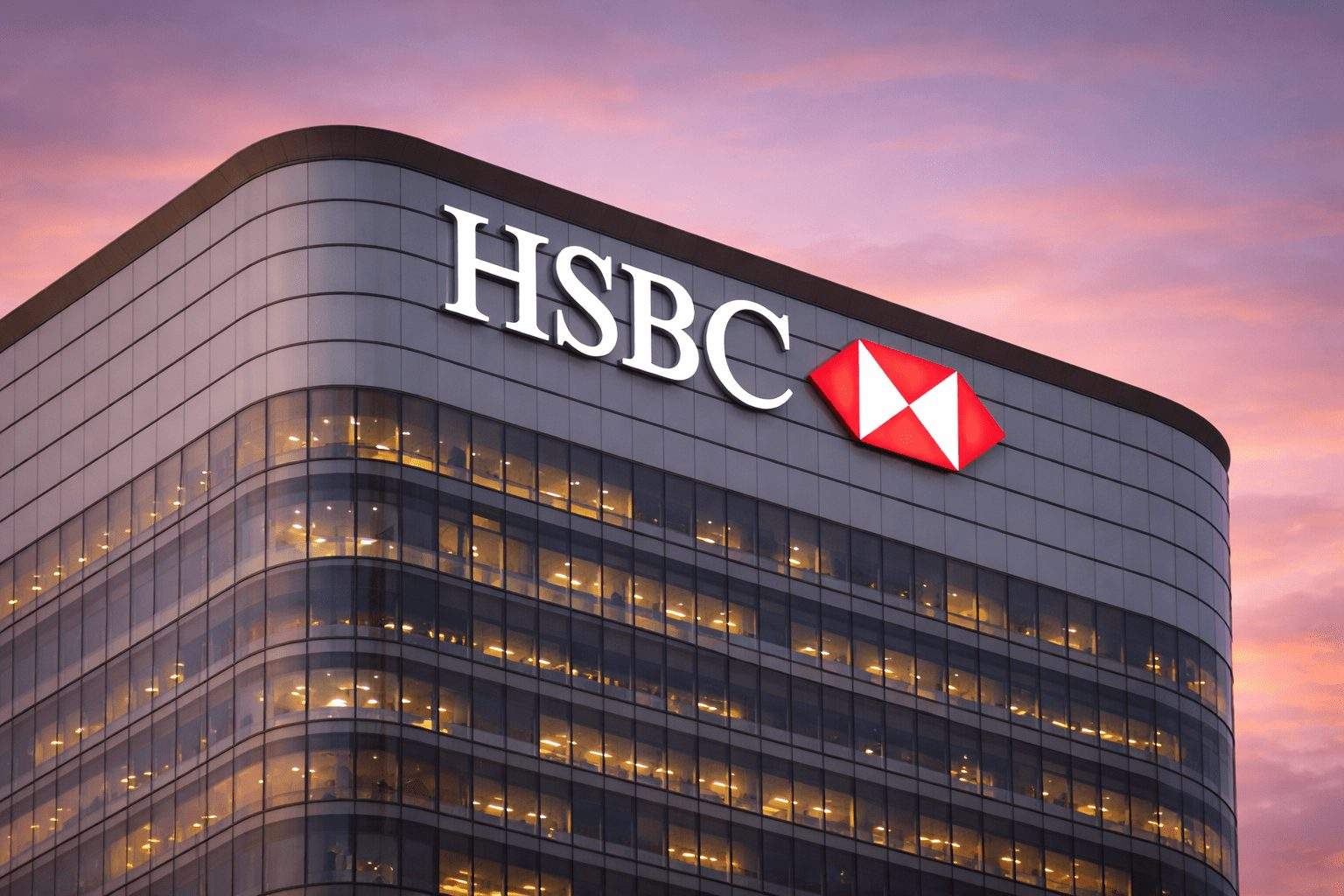
London, March 5, 2026, 08:07 (GMT)
- HSBC’s Asia and Middle East co-CEO Surendra Rosha offloaded 308,400 shares in Hong Kong, according to a filing.
- The disposal came in at roughly HK$43.17 million, working out to HK$139.974 per share.
- The trade disclosure lands in the middle of a turbulent stretch for European bank shares.
Surendra Rosha, Asia and Middle East co-CEO at HSBC Holdings Plc, offloaded 308,400 ordinary shares of the lender on March 3, according to a regulatory filing. The sale, conducted via the Hong Kong Stock Exchange, fetched HK$139.974 per share. Rosha and his spouse, Batul Surendranath Rosha, held the shares in a joint nominee account, bringing in total proceeds of HK$43,167,981.60.
Insider dealing notices draw extra scrutiny when shares are volatile, and HSBC has certainly been on the move this week, tracking the wider bank sector as investors digest the risks from the escalating Middle East conflict. On Tuesday, HSBC shares dropped 5.2% in London. Oil prices surged 7%, sending Brent crude to its highest level in 19 months, according to Reuters. “If these oil jumps are sustained then inflation spikes become a real possibility and the path for interest rates gets thrown into question,” said Lindsay James, investment strategist at Quilter. Reuters
UK bank stocks found their footing. By Wednesday, HSBC, Barclays, and Standard Chartered each climbed roughly 2% as London’s market paused its drop after two days in the red. Reuters
The disclosure of Rosha’s transaction came under the UK’s version of the EU Market Abuse Regulation, which mandates swift reporting of share trades by top managers and their close associates. The regulation calls these executives persons discharging managerial responsibilities, or PDMRs.
According to the bank’s website, Rosha shares the role of co-chief executive for Asia and the Middle East with David Liao, and also holds a seat on HSBC’s Group Operating Committee. HSBC states he’s responsible for driving the group strategy throughout Asia-Pacific and its operations covering the Middle East, North Africa and Türkiye. HSBC
The update follows HSBC’s rollout of new financial goals with its 2025 results. Pretax profit slipped 7% to $29.9 billion, weighed down by $4.9 billion in one-off charges. Still, the bank raised its return on tangible equity target to “17% or better” through 2028—a metric the sector watches closely. “We are becoming a simple, more agile, focused bank built for a fast-changing world,” Chief Executive Georges Elhedery said. Reuters
HSBC has trimmed its stake in International Personal Finance Plc, dropping its holding in the UK-listed lender to 8.083% from 9.99%, according to a disclosure this week. Of that, 8.004% comes from voting rights linked to shares, with another 0.079% held through a cash-settled equity swap, the notification said. Investegate
The TR-1 form flagged the change, as is required in the UK whenever an investor moves past certain ownership levels. Large banks and asset managers do this kind of paperwork all the time, yet the filings still show up on the tape as traders weigh risk appetite by the day.
The filings didn’t spell out why Rosha sold, nor did they explain the change in the International Personal Finance holding.
Macro factors remain the wild card for HSBC’s shares. If energy prices stay elevated due to the war, concerns over inflation, rate direction, and borrower resilience will resurface—even strong banks won’t be immune. A rapid de-escalation, though, could flip sentiment and send the sector higher.