
Mumbai, May 9, 2026, 13:59 IST
- Stocks in India slipped Friday, though both indexes managed gains for the week—Nifty 50 added 0.7%, and the Sensex climbed 0.5%.
- Fresh U.S.-Iran tensions sent Brent crude climbing over $100 a barrel, putting oil, the rupee, and foreign outflows back at the heart of the India stock market narrative.
- Midcaps, smallcaps, and auto stocks showed more resilience than the main indexes. State Bank of India, slipping after missing profit estimates, weighed on the banking sector.
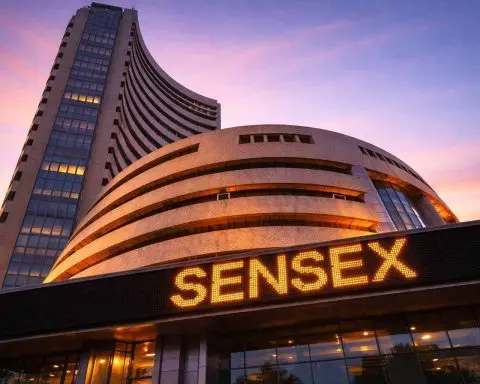
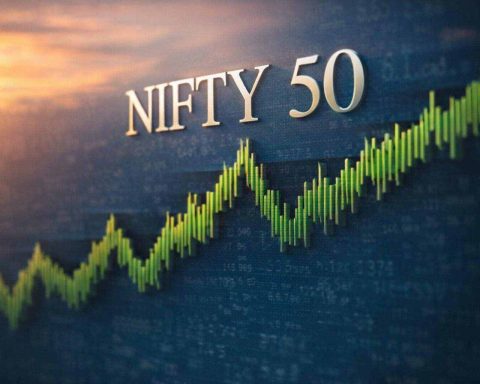
Indian stocks wrapped up the week in positive territory, but Friday’s sharp drop underscored just how fragile the rally is when oil prices start moving the wrong way for India. The Nifty 50 slipped 0.62% to close at 24,176.15, and the BSE Sensex retreated 0.66% to 77,328.19.
Right now, it’s less about where the market closes. The question is if India can keep those gains, with oil prices staying high, the rupee still feeling the heat, and foreign investors trimming positions in several big-name stocks.
India leans heavily on imported energy, so Brent crude trading above $100 a barrel quickly stirs concerns around inflation, company profits, and pressure on the rupee. The currency still managed a 0.4% gain for the week. On Friday, though, it lost ground, finishing at 94.40 per dollar after touching almost 94.70 during the session.
Foreign portfolio investors unloaded Indian equities worth a net 41.11 billion rupees on Friday, according to The Economic Times. Domestic institutional investors, including Indian funds and insurers known for stepping in during foreign outflows, picked up 67.48 billion rupees in shares.
“Sentiment is completely hostage to the Iran war,” Raghvendra Nath, managing director at Ladderup Asset Managers, told Reuters. Higher crude prices, he said, will only squeeze the economy and corporate earnings further—despite some backing from March-quarter results so far. Reuters
This time, the rally didn’t fit the usual mold. Fourteen out of sixteen major sectors managed to log weekly gains. Steady earnings pushed small-caps up 4.1%, while mid-caps added 3.6%. Autos stood out— the sector jumped 5.2% thanks to strong quarterly numbers from Mahindra & Mahindra, Bajaj Auto and Hero MotoCorp.
Friday saw a diverging pattern. The Nifty Midcap 150 slipped 0.14%, but the Nifty Smallcap 250 managed a 0.2% increase. For the week, the two were up 3.5% and 4.2%. So, flows kept shifting out of the main index, even as large banks came under pressure.
Shares of State Bank of India dropped after the lender’s quarterly profit missed estimates, with weaker treasury income dragging results. SBI reaffirmed its loan growth outlook at 13% to 15% for the fiscal year starting in April. The bank expects its net interest margin—the gap between what it earns on loans and its funding costs—to hover around 3%.
SBI Chairman C.S. Setty told reporters that so far, the Middle East crisis hasn’t thrown credit demand off track. Still, he cautioned, if the conflict drags on for five or six months and inflation tops the central bank’s 4% target, consumption and economic activity could take a hit. That warning didn’t help sentiment, coming on a day when oil, bank stocks, and the rupee all moved in lockstep.
Earnings painted a patchy picture. Motilal Oswal Financial Services counted a 29% year-on-year profit jump from midcap firms in its coverage during the March quarter—well ahead of their 22% forecast. Among the 28 Nifty companies reporting so far, though, aggregate profit growth landed at just 7%.
Christy Mathai, fund manager at Quantum Mutual Fund, called out the tension rattling investors: “The military confrontation between the US and Iran, despite talks of negotiation, kept investors on the edge.” Vipin Kumar of Globe Capital Market pointed to the Nifty’s key markers, saying a decisive move would require the index “to breach the 23,800 level or break out above the 24,600 level.” The Economic Times
The risk is right there: persistent high crude could drive more foreign selling, weighing on index leaders. The rupee’s bounce? Might not hold up for long. “The broader outlook remains sensitive to crude prices and final clarity” on the U.S.-Iran proposal, said Jateen Trivedi at LKP Securities. The Economic Times
Related articles: NSE:SBIN