
NEW YORK, May 25, 2026, 17:02 EDT
- U.S. stock markets didn’t open Monday because of Memorial Day, so Intel will trade again on Tuesday.
- Intel closed Friday at $119.84, up 1.13%. The stock ended a rough week for chip stocks on a positive note.
- The issue is whether AI demand for server chips and factory supply are enough to keep the stock’s strong rally going into 2026.
Intel shares enter the holiday-shortened week with less noise than last month. U.S. markets close Monday. Some investors now want to know if the AI push will be enough for the rally to continue after the stock’s fast climb.
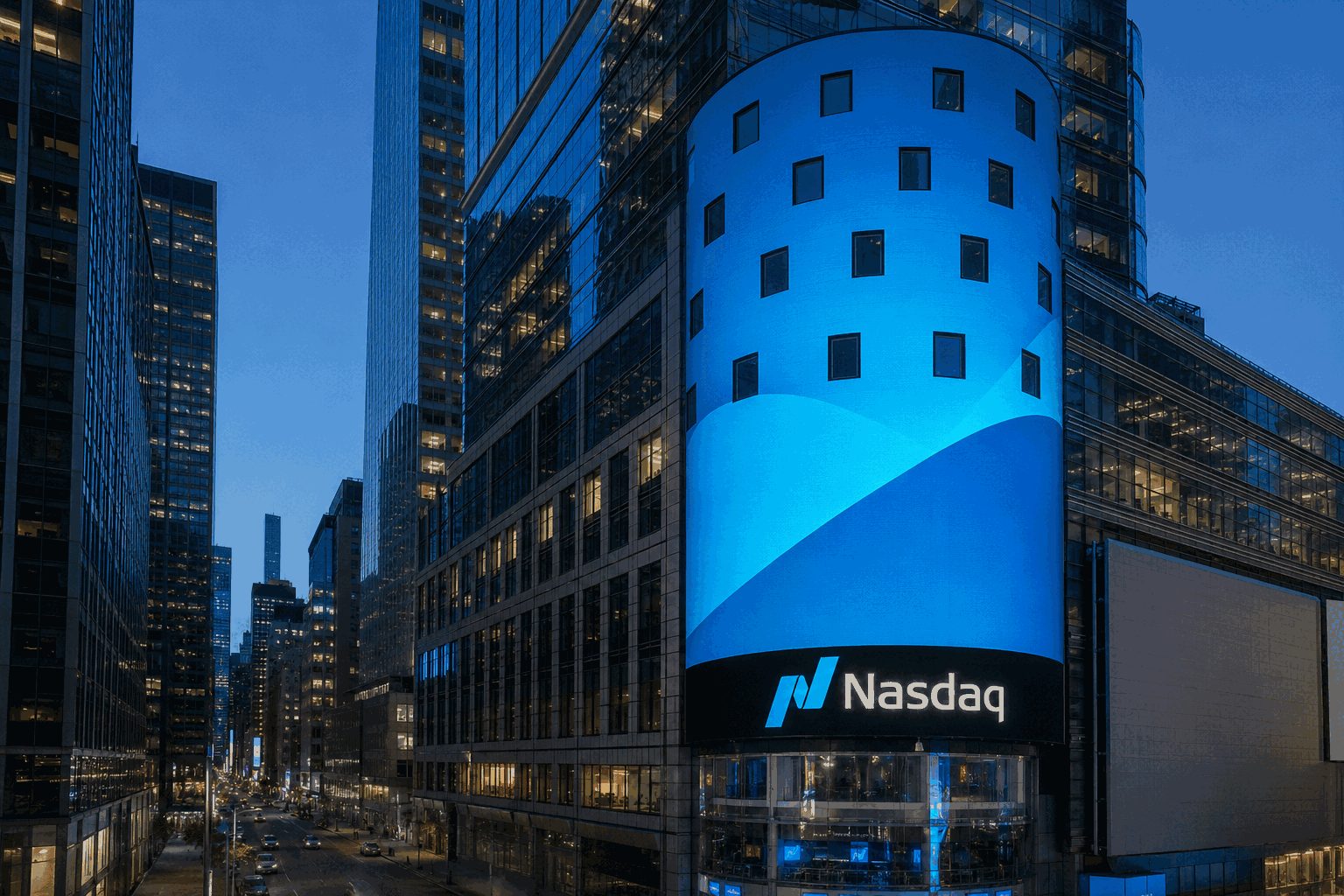
Markets were closed May 25 for Memorial Day, according to the 2026 holiday schedules from Nasdaq and NYSE. Trading is set to start again Tuesday. Intel’s last official close is still Friday’s price.
Intel (INTC.O) closed at $119.84 on Friday, up 1.13%, Reuters data showed. Shares had dropped for five straight days, with Barron’s noting a 0.6% fall to $108.17 on Monday, even as analysts Atif Malik at Citi and Cody Acree at Benchmark raised their price targets.
Intel’s moves catch attention since the stock has turned into more than just a PC play. Bulls pitch a bigger story these days. CPUs, the server chips, have come up again as AI pushes from model training over to inference—running those models out in the wild.
Intel was back on the radar in April. The company reported first-quarter revenue up 7% at $13.6 billion and set Q2 revenue guidance between $13.8 billion and $14.8 billion. The chipmaker recorded a GAAP loss of 73 cents per share but said non-GAAP earnings were 29 cents per share, which is the adjusted number Intel follows. CEO Lip-Bu Tan cited more demand for Intel CPUs, wafer services, and advanced packaging products. He said growth was coming as customers shift to inference tasks and “agentic” AI. Intel
Nvidia last week put out a second-quarter revenue target of $91 billion, topping Wall Street estimates, and announced an $80 billion stock buyback. Still, eMarketer’s Jacob Bourne said the “lingering question” is whether Nvidia can prove AI spending will keep up as inference workloads grow and as rivals like Google, Amazon, AMD and Intel push new chips. Reuters
Nvidia is stepping deeper into the CPU field dominated by Intel. CEO Jensen Huang put Nvidia’s estimate for the CPU market at $200 billion, with China included in that figure. It signals more companies want in on turf Intel has long claimed.
ASML CEO Christophe Fouquet told Reuters that chip supply will stay tight for some time. He cited AI, satellites and robots all pushing up demand and putting pressure on production. ASML’s top lithography tools are key to making advanced chips. Intel wants to start using ASML’s High NA EUV machines early.
Intel’s foundry business got a lift here as it tries to ramp up making chips for other companies, but the company still faces real execution risk. “TSMC is the real bottleneck,” SemiAnalysis President Doug O’Loughlin said in an interview with Reuters. Jay Goldberg at Seaport Research said, “no company in history” has fallen behind Moore’s law and managed to catch up. Moore’s law refers to the steady improvement in chip density and cost, a key industry benchmark. Reuters
U.S. stocks rose Friday. The Dow finished at a new high, while the S&P 500 logged its eighth straight weekly gain. The Philadelphia Semiconductor Index was up as well. Nvidia fell 1.9%. “Earnings have been solid,” said James St. Aubin at Ocean Park Asset Management. He said headlines from the Middle East were “encouraging.” Reuters
Intel faces a real risk. If AI server demand slows, foundry clients pull back, or the chipmaker hits more snags in its manufacturing ramp, investors might end up with a company that’s still losing money and burning cash. “Intel is making a ‘high-stakes gamble’ trying to take on TSMC by 2030,” Michael Schulman at Cerity Partners said. Reuters
Intel is getting an early check on trading after the holiday. How much it moves next could hinge on macro numbers and chip earnings, according to Trading Economics. This week investors watch for GDP, jobless claims, and PCE inflation in the U.S.
Related articles: NASDAQ:INTC