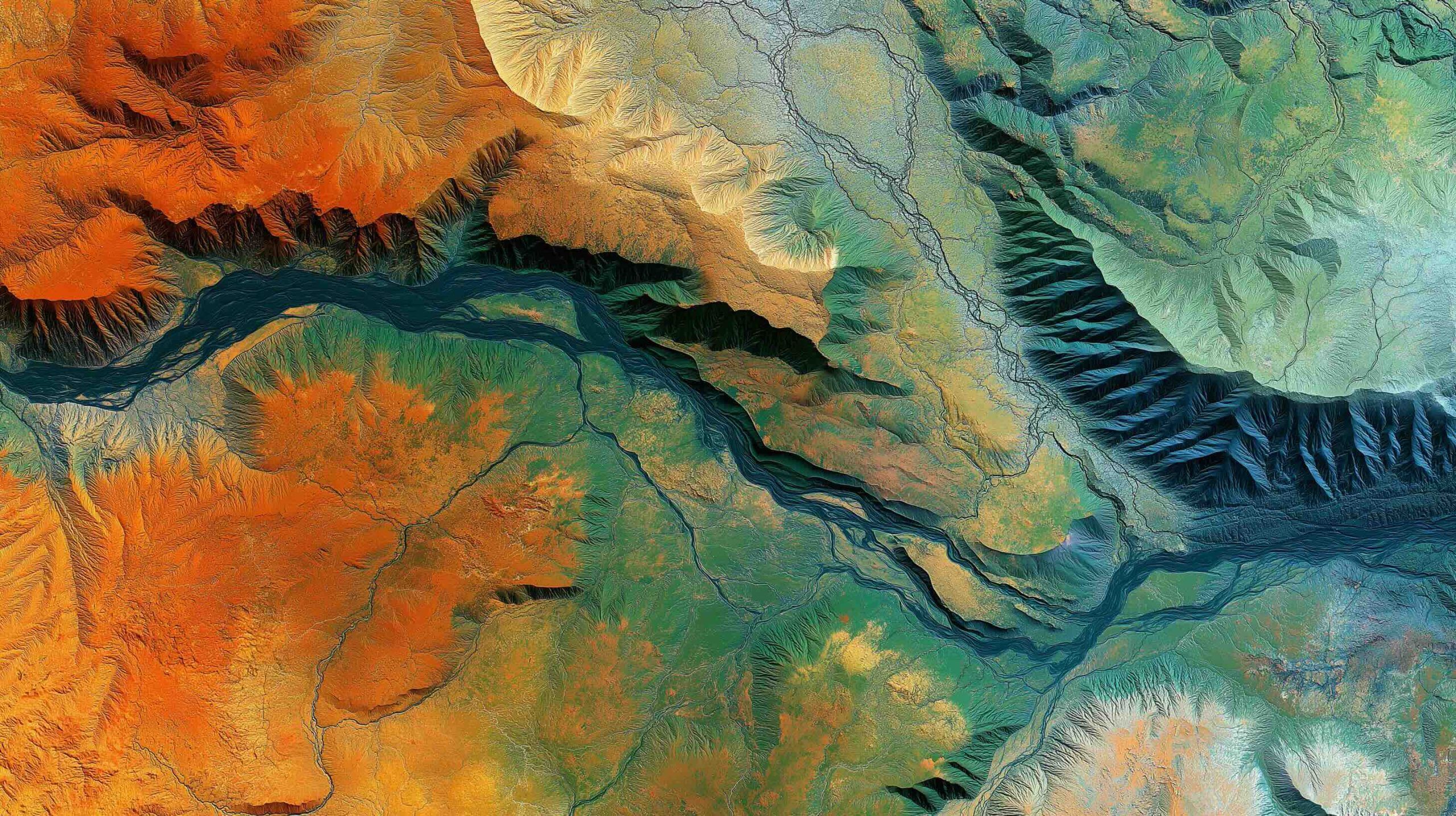

- During Operation Rising Lion in mid-June 2025, Israel ingested more than 12,000 fresh satellite images during the shooting phase from the Ofek optical and SAR constellation and commercial vendors, with tens of millions of square kilometers imaged day and night.
- The domestic space stack centers on Ofek-16 (optical) and Ofek-13 SAR, delivering 0.5 m visual resolution and all-weather radar with rapid tip-and-cue via the Space-Moons control net.
- Eros-B and Eros-C3 provide commercial licensing to the IDF and the National Image‑Exploitation Center for change-detection sweeps that flag new pads and roadbuilding.
- Allied assets include KH-11/NRO radar and sub-30 cm product from Maxar and Planet, enabling post-strike BDA and high-confidence assessments.
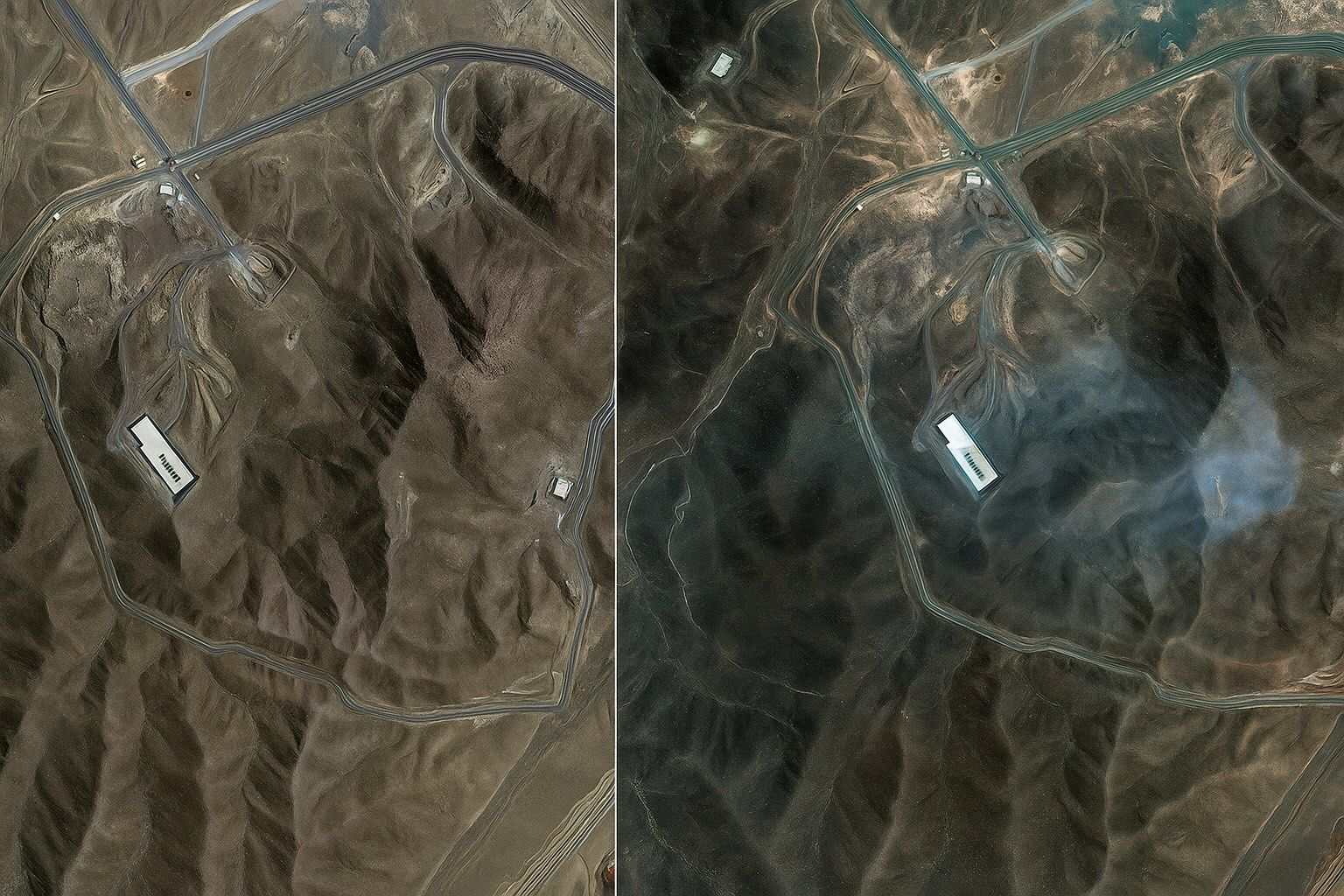
- Fordow showed six bomb-blast holes on the ridge, with trucks and cranes arriving two days after the strike, while analysts cautioned the centrifuge hall is too deeply buried to verify damage visually.
- Natanz revealed dust plumes and cratered surfaces with tunnel entrances suggesting partial penetration, as Iranian crews bulldozed spoil into portals.
- Isfahan research center displayed scorched concrete and collapsed roofs at surface labs, with France 24 noting isotope‑production buildings were struck but deeper tunnels may remain intact.
- Real-time retasking relied on AI‑fusion software feeding Ofek-16 refreshes to cockpit tablets, enabling at least 27 high‑value mobile launchers to be hit within an hour of orbital sighting.
- Public BDAs were shaped by Maxar, Planet, and Airbus imagery, with WSJ reporting Maxar shots from June 29 and AP using Planet passes to document spoil clearing at Fordow, Natanz and Isfahan.
- Looking ahead, Israel plans Ofek-17 (multi-spectral) in late 2025 and hyperspectral cubesats, while Iran contracted Russia’s Glavkosmos to launch Pars-2 high-resolution imaging satellite by 2026.
1. Why space was decisive in “Operation Rising Lion”
When Israel and the United States struck dozens of Iranian nuclear‑ and missile‑related targets in mid‑June 2025, every phase of the campaign—target discovery, mission‑planning, precision‑guidance and battle‑damage assessment (BDA)—ran on a constant stream of satellite imagery.
- Israel’s Defense Ministry says its military intelligence directorate ingested more than 12 000 fresh images during the shooting phase alone, generated by the Ofek optical and SAR constellation as well as commercial vendors. The Space Directorate adds that “tens of millions of km² were imaged day and night,” allowing analysts to retask strike aircraft in near‑real time. ynetnews.com
- A parallel Jerusalem Post briefing put the longer‑term number even higher—“tens of millions of photos of multiple locations in Iran” were banked in the run‑up to war, giving planners baseline views of every high‑value site. jpost.com
2. How Israel’s spy‑satellite stack works
| Tier | Principal satellites | Key strengths (2025) | Imagery role in the Iran strikes |
|---|---|---|---|
| Domestic, military | Ofek‑16 (optical) and the new Ofek‑13 SAR | 0.5 m visual & all‑weather radar; rapid tip‑and‑cue tasking via IDF’s “Space‑Moons” control net | High‑resolution aim‑points for underground entrances; night/cloud penetration for missile‑launcher hunts |
| Domestic, commercial | Eros‑B / C3 | Commercial licensing to IDF, National Image‑Exploitation Center (NIX) | Change‑detection sweeps of broad desert areas to flag new pads, roadbuilding |
| Allied / US | USA – KH‑11 / NRO radar, commercial Maxar & Planet | Global persistence, sub‑30 cm product | Post‑strike BDA and confidence‑building with Washington |
(Capabilities compiled from public tender documents and material released at Israel’s 19 June 2025 Space Symposium.)
3. What the satellites revealed after the bombs fell
| Site | What imagery showed | Expert assessment |
|---|---|---|
| Fordow (deep‑mountain enrichment plant) | Six bomb‑blast holes on the ridge, trucks and cranes arriving two days later. reuters.comwral.com | “They just punched through with MOPs…I expect the facility is toast,” said former IAEA inspector David Albright. But analyst Decker Eveleth cautions that the centrifuge hall is “too deeply buried for us to evaluate damage visually.” reuters.com |
| Natanz (new tunnel complex) | Dust plumes and covered craters on June 24 Planet/Maxar passes. rferl.org | RFE/RL imagery specialists note visible impact but say tunnel entrances suggest “partial penetration; Iranian crews have already bulldozed spoil into portals.” |
| Isfahan research center | Scorched concrete and collapsed roofs at surface labs; evidence of secondary explosions. france24.com | France 24’s geospatial desk concludes “precision standoff weapons struck known isotope‑production buildings but left deeper tunnels intact.” |
4. Real‑time retasking and “dynamic target updates”
Brig. Gen. (res.) Dr. Danny Gold, head of Israel’s Defense R&D Directorate, told reporters that AI‑fusion software fed optical refreshes from Ofek‑16 directly into cockpit tablets:
“Technologies developed over 25 years—up to just weeks before the war—were integrated into the battlefield with extraordinary effectiveness.” ynetnews.com
IAF planners say at least 27 high‑value mobile launchers were hit within one hour of being spotted from orbit, a feat Gold attributes to “machine‑vision tipping” that flags anomalies against a live map background.
5. How commercial imagery kept the world informed
Because most Israeli military imagery is classified, the public picture has been shaped by Maxar, Planet and Airbus products:
- Wall Street Journal analysis published 1 July showed diggers at Fordow “assessing bomb impact holes,” citing Maxar shots taken 29 June. wsj.com
- Associated Press used Planet Labs passes to document Iranian crews clearing spoil at tunnel mouths and confirmed government spokesperson Fatemeh Mohajerani’s admission that Fordow, Natanz and Isfahan were “seriously damaged.” wral.com
6. What the damage means for Iran’s program
- Rafael Grossi, IAEA Director General, privately told diplomats (per WSJ) that despite the devastation, Iran “retains the knowledge and industrial base to resume 60 % enrichment in a matter of months.” wsj.com
- Arms‑control scholar Jeffrey Lewis warns that some highly enriched uranium was likely moved before the strike and that “there are almost certainly facilities we don’t know about.” reuters.com
7. Strategic take‑aways
- Space is Israel’s most cost‑effective precision weapon: One Ofek tasking cycle costs a fraction of a single strike sortie yet enabled scores of time‑sensitive hits.
- Commercial constellations are leveling the transparency field: Within hours, NGOs and journalists were producing independent BDAs, constraining propaganda on all sides.
- Undergrounding is not a guarantee: Fordow’s mountain cover, once thought immune, was breached—though at high cost in 30 000‑lb MOPs.
- Expect an Iranian “shadow program”: Every expert interviewed expects Tehran to disperse R&D activity into smaller facilities that blend into civilian infrastructure.
8. What comes next in the satellite duel
Israel Aerospace Industries is scheduled to launch Ofek‑17 (multi‑spectral) in late 2025, while the Defense Ministry is funding hyperspectral cubesats to sniff out chemical signatures around suspected sites. Iran, for its part, has contracted Russia’s Glavkosmos to loft its first high‑resolution imaging satellite, Pars‑2, by 2026—a move likely to intensify the orbital intelligence race.
Sources used
Ynet, Jerusalem Post, Reuters, Associated Press, Wall Street Journal, Radio Free Europe/Radio Liberty, France 24 (citations embedded above).
Related articles: EPA:AIR