
DANVILLE, California, June 18, 2026, 14:03 PDT
- Save Mart will shut its Lucky California store in Danville on July 17, the latest in a string of Bay Area grocery closures.
- The parent company is also set to close a Lucky store on Fulton Street in San Francisco on Sept. 11.
- Grocery access is already a political issue in some Bay Area neighborhoods, so the closures land hard locally. Save Mart, though, says it’s still investing in other markets.
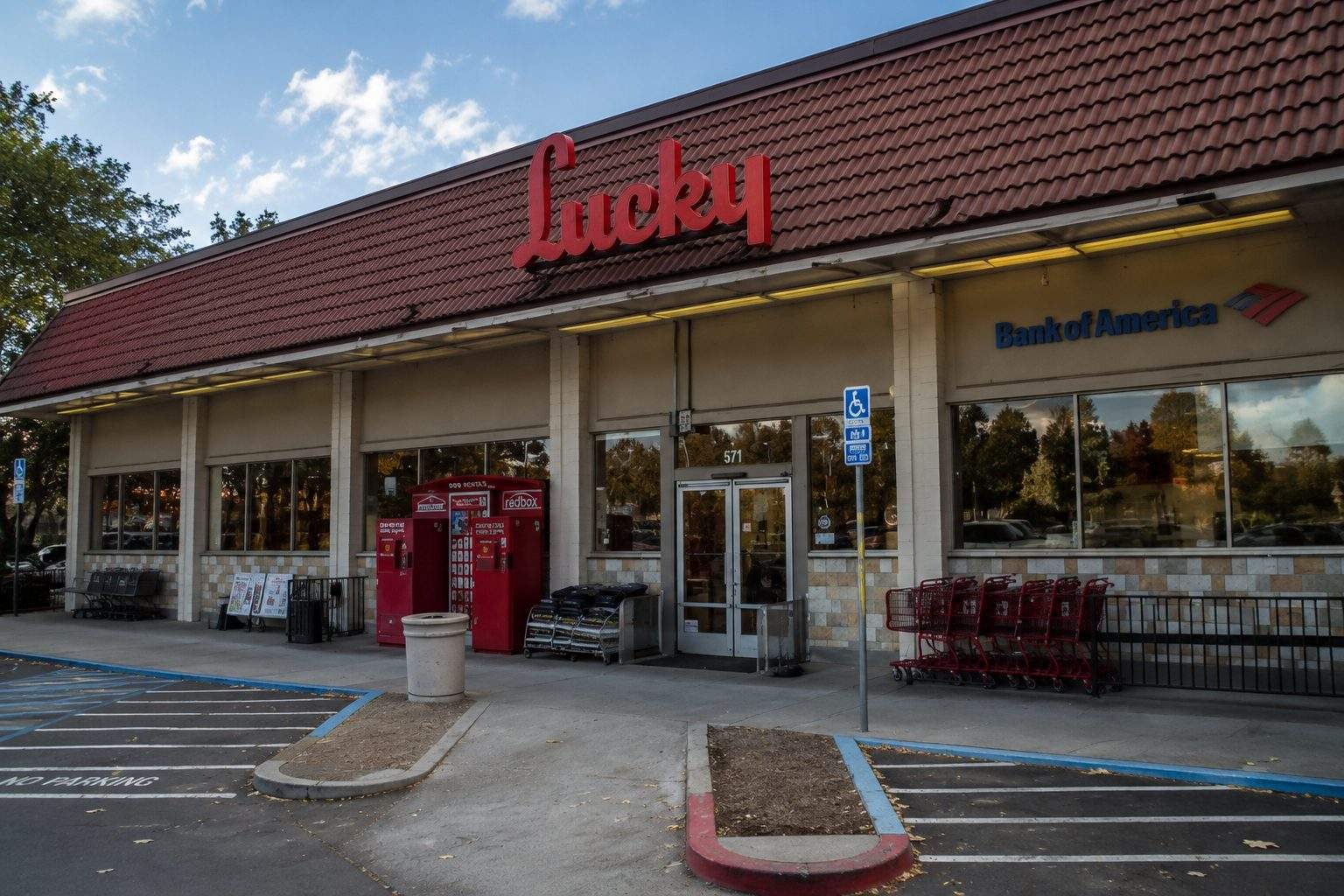
Lucky California plans to close its Danville supermarket on July 17, marking another retreat for The Save Mart Companies in the Bay Area. The privately held grocer also has a San Francisco Lucky location set to close later this year. The Danville store at 660 San Ramon Valley Blvd. in Sycamore Square will close to shoppers at 5 p.m., according to Patch, which cited Save Mart spokesperson Phil Keene.
The closure of Lucky’s Danville store fits a trend across retail, with grocers shutting down underperforming sites but keeping the higher-traffic, higher-margin locations open. Lucky’s Danville spot had anchored the center for years, but according to DanvilleSanRamon, signs went up this week and shelves are looking bare.
Keene, senior director of communications, public relations and government affairs at Save Mart, said the company made the Danville call for “economic factors.” The company looks at store results and will close stores that aren’t performing, Keene said. Workers who qualify can ask for a transfer to other stores, depending on openings and seniority. Danville San Ramon
San Francisco officials already knew about the Lucky store closing, but TheStreet linked it with a Danville shutdown. The Danville location will close July 17, followed by the Fulton Street store in San Francisco on Sept. 11. The company said both stores didn’t bring in enough sales and profit to stay open, even after earlier attempts to turn things around.
The second closure is drawing more public attention. In April, the San Francisco Board of Supervisors passed a resolution calling on Save Mart to keep the 1750 Fulton Street Lucky open. The board said the store serves neighborhoods like Western Addition, Fillmore, Alamo Square, North of Panhandle and nearby, including seniors, families, students and people without steady car access. The resolution said losing the store could make worries about a food desert worse, an area where people have limited access to grocery stores and fresh food.
Lucky started out in San Leandro back in 1935. It has changed hands a few times since then, and Save Mart brought it back in 2007. According to Save Mart, Lucky has 57 stores around the San Francisco Bay Area.
Save Mart’s pullback isn’t a full exit, but it matters. The grocer says it has 201 stores and over 11,000 workers, and its corporate history notes a transfer to The Jim Pattison Group in 2024. Keene told DanvilleSanRamon the company added new locations in Manteca and Tulare, is planning for South Lake Tahoe, and completed remodels in Ripon and Madera. So Save Mart is still spending on stores, though not on all of them.
Physical retail’s outlook stays mixed. Coresight Research sees about 7,900 U.S. store closures and 5,500 openings expected in 2026, per CoStar, so closures may still beat openings. Brandon Svec, national director of U.S. retail analytics at CoStar Group, said “the consumer and the credit markets” are the key factors, pointing out that decisions on stores often hinge on demand, debt, and leases as much as on loyalty. CoStar
Danville shoppers still have grocery choices. Patch reported Trader Joe’s, Smart & Final Extra, Lunardi’s Markets and Safeway are staying in town, while Whole Foods and Sprouts are close by in San Ramon. That gives Danville more access than some parts of San Francisco. But the loss of a longtime local market is still felt.
Save Mart faces a reputational hit as well as operational risk. Shutting underperforming stores can help margins, but multiple exits in the same area open up space for competitors and can trigger complaints from city leaders, landlords, or customers. Without a new grocer stepping in soon, the company’s gain from cutting a weak location could come with longer-lasting local backlash than the savings from the closure itself.
Related articles: Stock Market