
NEW YORK, May 26, 2026, 18:03 (EDT)
- Micron was last at $895.88, jumping 19.3%. That puts its market cap around $1.02 trillion.
- UBS took Micron’s price target up to $1,625 from $535, setting the top target among the 46 brokerages tracked by LSEG.
- Chip stocks jumped, sending the Philadelphia semiconductor index to a new record.
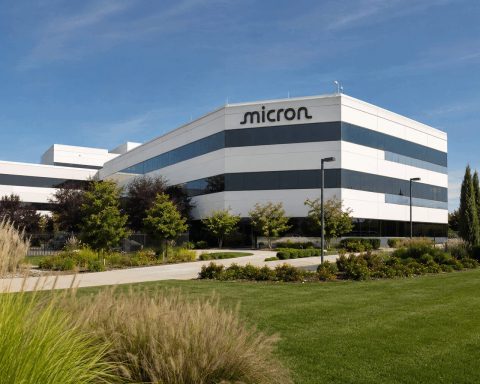
Micron Technology hit $1 trillion in market cap for the first time Tuesday, after UBS sharply raised its price target. That move put the memory-chip maker in focus for Wall Street’s artificial intelligence trade. Shares were recently at $895.88, up 19.3%, after reaching a session high of $916.69.
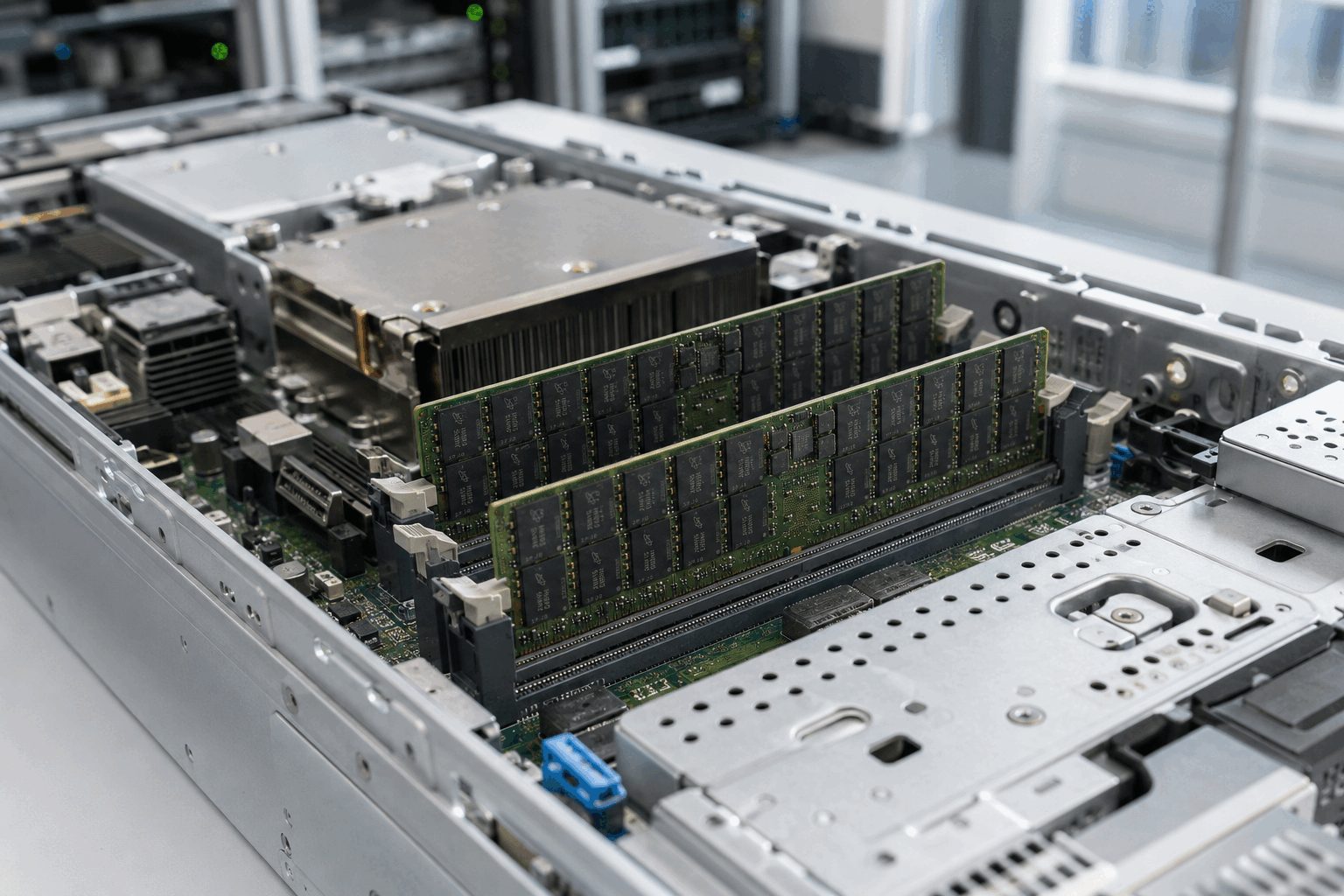
Investors now see memory differently. They are paying much more attention to high-bandwidth memory, or HBM, the fast-stacked chips near AI processors that help move data fast. HBM has turned into a scarce part for data centers run by big technology firms. The old view of memory as a simple boom-and-bust chip segment doesn’t fit anymore.
UBS bumped its target on Micron to $1,625 from $535, saying long-term supply contracts could help steady Micron’s earnings across memory cycles. The firm said it sees “no reason” for Micron to trade much differently than Nvidia in terms of price-to-earnings, using that as its valuation metric. Barchart.com
The demand for pure memory is jumping, Art Hogan at B. Riley Wealth told Reuters. “Micron sits at the center of it,” he said. The story’s simple: GPUs draw the headlines, but memory is turning into the squeeze point. Reuters
Stocks finished strong. The S&P 500 and Nasdaq both closed at new highs, and the Philadelphia SE Semiconductor Index jumped 5.5%, Reuters reported. Micron’s rally was a standout, pointing to buyers moving past Nvidia and into suppliers for data-center growth around AI.
Micron is competing with Samsung Electronics, which has already hit a $1 trillion valuation, and SK Hynix, which is also getting close, Reuters reported. The South Korean firms remain Micron’s main competitors in advanced memory. Micron’s U.S. listing offers a domestic option for American investors looking for exposure to the sector.
Micron’s latest numbers pushed the rally forward. Revenue for the fiscal second quarter came in at $23.86 billion, up from $8.05 billion a year ago. Non-GAAP earnings were $12.20 per share. CEO Sanjay Mehrotra called memory “a strategic asset,” pointing to solid demand and tight supply in the industry. Securities and Exchange Commission
Supply is driving the market now. Micron said its HBM supply for 2026 is already gone, and it has its next-gen HBM4 chips in production, according to Reuters. Customers are moving early to secure memory before more capacity comes online.
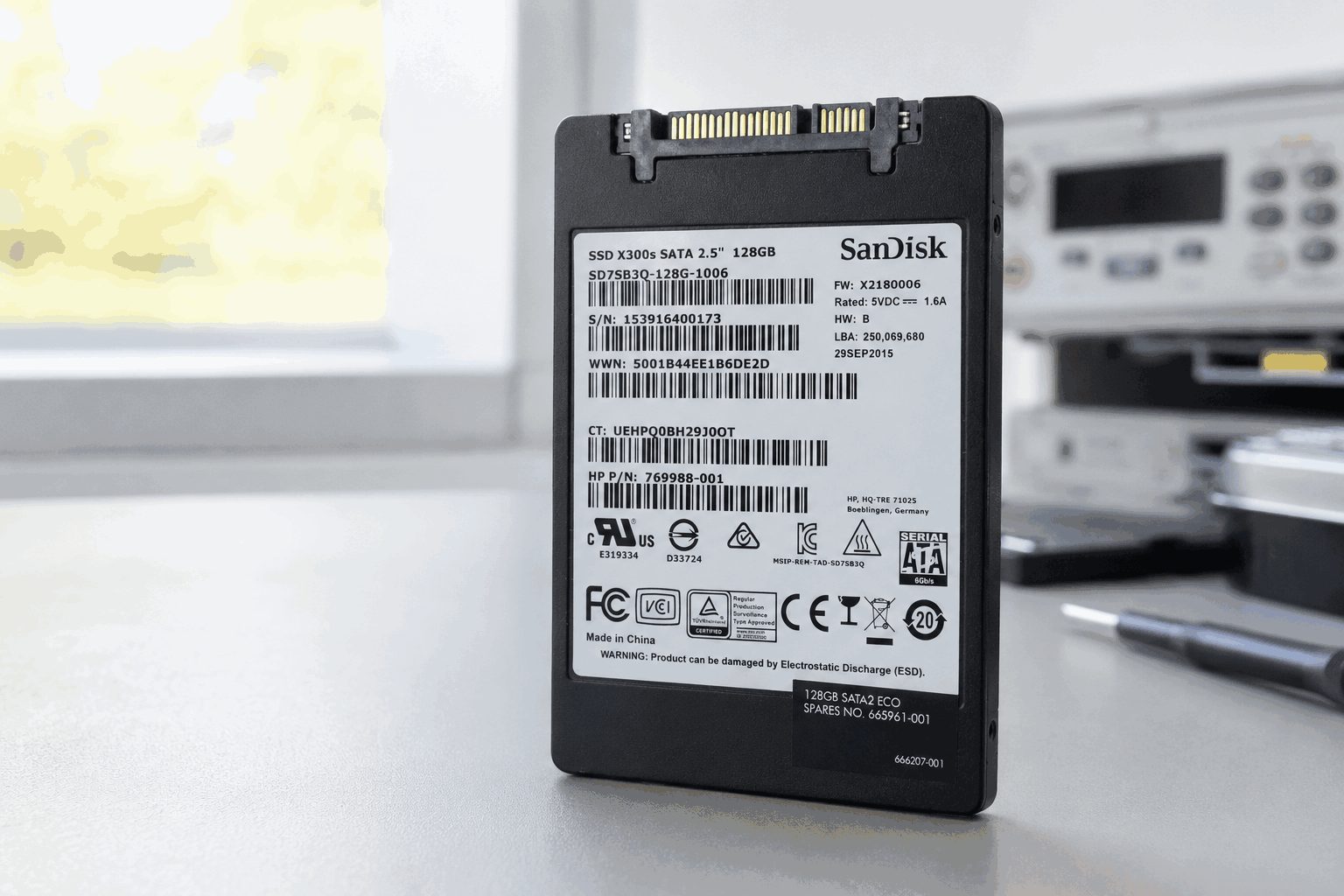
Some other analysts agreed supply is tight, though UBS took the strongest view. Mizuho’s Vijay Rakesh said there’s “no clear line of sight” on when the DRAM and NAND shortage will ease. DRAM is the main memory for servers and PCs, while NAND is used for flash storage in SSDs. CFRA’s Angelo Zino expects prices to hold up into 2027. Barchart.com
The industry is still cyclical, and that’s a risk. If AI spending lets up, or Micron, Samsung, SK Hynix, or Chinese players ramp up capacity too quickly, or supply deals can’t keep prices up, memory could see another oversupply. That’s hurt the stocks before. Reuters Breakingviews last week flagged that extra supply and AI’s uncertain payoff could challenge chip shares.
Micron’s trading volume jumped past 75 million shares, much higher than usual, with its market cap holding a little above $1 trillion in late action. For now, traders are buying on visibility. The real test will be if customers stick with supply deals at prices that match the earnings durability that UBS has started modeling.
Related articles: NASDAQ:MU