
NEW YORK, July 13, 2026, 10:08 (EDT)
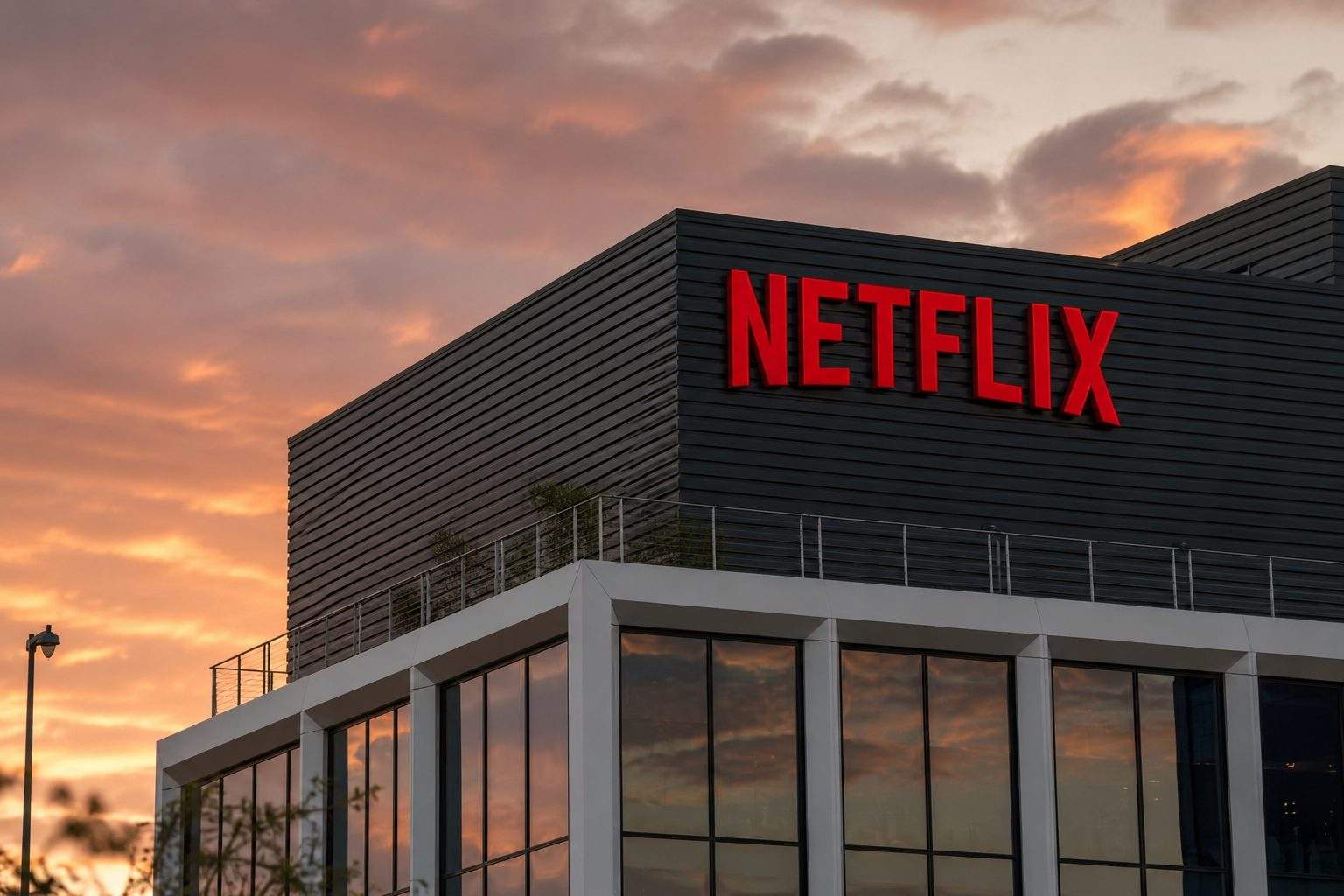
Netflix NASDAQ:NFLX heads into its Q2 earnings Thursday with more at stake than just the quarter’s figures. Company guidance suggests Netflix will need about $8.1 billion in operating profit for the back half of the year, almost 30% higher than last year. Shares gained 2.5% to $75.23 early Monday on Nasdaq.
That’s notable because analyst expectations are barely ahead of Netflix’s guidance. Wall Street is looking for $12.58 billion in revenue and $0.79 EPS—just $6 million and a penny above what the company forecast. If Netflix just meets guidance, the focus likely shifts to margin growth in the second half.
Netflix is guiding to a margin squeeze in Q2. Operating margin is expected to drop by 1.5 percentage points, even as revenue climbs. The company said it sees the biggest jump in content amortization in Q2, before the charge tapers off later in the year.
| Metric | Q2 2025 actual | Q2 2026 Netflix guide | Change |
|---|---|---|---|
| Revenue | $11.079 billion | $12.574 billion | up 13.5% |
| Operating income | $3.775 billion | $4.105 billion | up 8.7% |
| Operating margin | 34.1% | 32.6% | down 1.5 pts |
| Diluted EPS | $0.72 | $0.78 | up 8.3% |
The trickier part comes after June. Taking the middle of Netflix’s $50.7 billion to $51.7 billion revenue range and the 31.5% margin target for the year, then backing out Q1 reported numbers and what Netflix guided for Q2, you get this second-half ask:
| Metric | H2 2025 actual | H2 2026 implied at midpoint | Change |
|---|---|---|---|
| Revenue | $23.561 billion | $26.376 billion | up 12.0% |
| Operating income | $6.205 billion | $8.066 billion | increased 30.0% |
| Operating margin | 26.3% | 30.6% | gain of 4.2 percentage points |
These numbers come from calculations using Netflix’s guidance and aren’t official company forecasts for each quarter.
The company is guiding to a 30% jump in second-half operating income, which is about 2.5x faster than what analysts expect for sales growth. That means costs must increase much slower than revenue after Q2. Just beating earnings in one quarter won’t be enough.
Advertising is a factor, but the $3 billion target may give the wrong idea. Co-CEO Greg Peters said the company wants to “roughly double” its ad business to about $3 billion. If you look at Netflix’s rounded numbers, total revenue at the 2026 midpoint goes up $6 billion from 2025. Ads would account for maybe a quarter of that increase, with the rest needing to come from membership, price hikes, or other sources.
Engagement, or the time users spend watching, matters for ad slots and hints at whether people will stick around. The Wall Street Journal said Netflix is looking at live channels and bundles. Nielsen’s April distributor index shows Alphabet NASDAQ:GOOGL, YouTube’s owner, at 13.4% of U.S. TV viewing. Disney NYSE:DIS sat at 10.3%. Netflix was at 7.8%.
Wall Street is still split on whether the pressure is in the shares. TD Cowen, led by John Blackledge, kept its Buy rating and $112 price target, saying Netflix is “the most popular choice for living room TV viewing.” Oppenheimer held its Outperform call but lowered its target to $100 from $120, pointing to short-term advertising and plan mix headwinds, and said worries over viewership are overblown. TipRanks
The numbers can get tricky. Higher prices might mean more cancellations, with some subscribers switching to cheaper ad tiers before ad rates adjust. If content costs don’t fall after Q2, hitting a 30% profit gain in the second half could be tough. Live channels and bundles could boost viewing, but they might also drive up rights and distribution costs before those new dollars come in.
Thursday’s report brings both a tight earnings check and a wider look at guidance. Investors will probably focus on Q3 margin, ad sales trends, and any new engagement numbers, putting less weight on a small Q2 revenue beat. Unless the company shows a better outlook for the rest of the year, the full-year goal still depends on gains later on.
Related articles: NASDAQ:NFLX




![US Stock Market Today 08/24/2026 [UPDATE: 02:06 EDT] [Memory Rout Accelerates as Micron and Sandisk Losses Double]](https://ts2.tech/wp-content/uploads/2026/08/US-market-dashboard-2026-08-24-0203-480x384.jpg "US Stock Market Today 08/24/2026 [UPDATE: 02:06 EDT] [Memory Rout Accelerates as Micron and Sandisk Losses Double]")