
London, May 7, 2026, 09:20 BST
Oil extended its slide Thursday, Brent crude settling near $99.5 a barrel as the market dialed back war risk premiums amid renewed optimism for a possible U.S.-Iran agreement. West Texas Intermediate hovered around $93.6 a barrel. Brent remains the global benchmark, while WTI serves as the U.S. reference.
This shift hits now, with traders betting on diplomacy before shipping and crude flows return to normal. Iran is still weighing a U.S. offer to officially end the conflict, Reuters said, but the big sticking points—Washington’s demands on Iran’s nuclear activities and reopening the Strait of Hormuz—are unresolved. “Oil prices will remain elevated,” said Hiroyuki Kikukawa, chief strategist at Nissan Securities Investment. Reuters
Next up: stocks. According to the Energy Information Administration, U.S. crude inventories declined by 2.3 million barrels, landing at 457.2 million barrels for the week ended May 1. Gasoline was also down, off 2.5 million barrels. Distillate supplies—including diesel and heating oil—hit their lowest mark since 2005.
“We’re seeing continued liquidation of U.S. crude and refined-product inventories,” said Andy Lipow, founder of Lipow Oil Associates, as American supply stepped in for missing Middle Eastern barrels. Distillate exports surged to an all-time high of 1.9 million bpd—a record measure of daily oil flow. Reuters
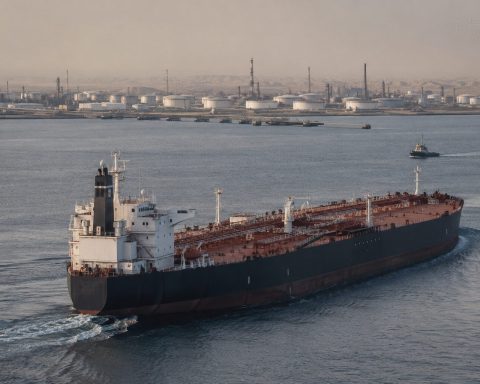
Physical fuel markets are feeling the pinch more acutely than the futures side. In April, exports out of Asia—jet fuel, diesel, gasoline—dropped to the lowest levels seen in years. The Strait of Hormuz, after the late-February Iran attack, has been mostly off-limits for shipping; prior to that, nearly a fifth of global crude and refined products passed through the strait.
Jet fuel’s performance has lagged. Asian jet fuel exports dropped sharply to 596,000 bpd in April, according to Kpler data cited by Reuters, down from 1.54 million bpd during the three months before the conflict started. On top of that, Singapore jet fuel prices have jumped 70% compared with pre-war levels. Diesel exports across Asia also hit a nine-year low.
So even with a peace deal, that might not cut it. TotalEnergies boss Patrick Pouyanne pointed out inventories are going to be “very low” once the market emerges from this conflict. Equinor’s Anders Opedal added it’ll take a minimum of six months for things to stabilize, even if the Middle East situation resolves. Reuters
There’s no clear direction here. Priyanka Sachdeva, senior market analyst at Phillip Nova, noted oil prices have been “stuck between diplomacy and disruption.” In her view, a formal deal might strip away “geopolitical premiums” in a hurry. On the flip side, any new strikes on oil sites—or a major flare-up—could push crude sharply higher. Reuters
Oil names split too. Shell posted a $6.9 billion Q1 profit, boosted by gains tied to the Middle East war. Still, the company trimmed its quarterly buybacks to $3 billion, down from $3.5 billion, sending shares lower early on. According to a Reuters market report, both Shell and BP lost ground as traders eyed oil prices and the ongoing peace negotiations.
The U.S. Energy Information Administration is sticking with its outlook for Brent crude, projecting a second-quarter high of $115 a barrel before a pullback. That target, though, hinges largely on the duration of the Middle East conflict and the extent of any production outages, the agency said.
The market has shifted gears—panic buying has faded, replaced by a more complex calculation: gauging just how much of the war premium can be unwound before fuel inventories quit shrinking. Eyes are on Tehran’s answer to the U.S. proposal; shipping lanes factor in here as heavily as any official sign-off.
Related articles: Energy Markets