
NEW YORK, Jan 4, 2026, 12:52 ET
Oil traders were braced for a volatile open on Sunday after Venezuela’s state-run PDVSA asked some joint ventures to cut crude output as a U.S. oil embargo froze exports following the capture of President Nicolas Maduro in a strike on Saturday, sources said. The company pointed to swelling inventories and a shortage of diluents — lighter oil used to thin heavy crude for shipment — the sources said.
Brent crude, the international benchmark, last settled at $60.75 a barrel on Friday, while U.S. West Texas Intermediate (WTI) closed at $57.32. The global oil market is coming off 2025 losses near 20% for both contracts, leaving prices sensitive to fresh disruption headlines even as traders weigh longer-term oversupply concerns.
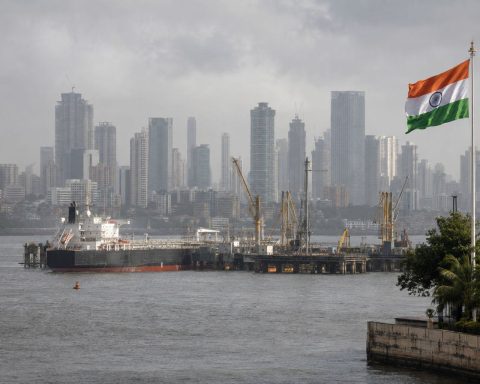
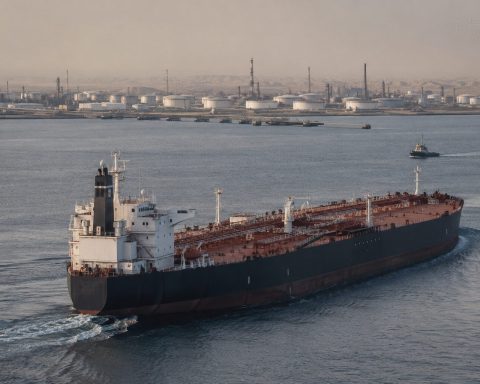
Venezuela’s exports were already paralyzed, with port captains not receiving requests to clear loaded tankers to depart, four sources close to operations said. No tankers were loading at PDVSA’s main Jose port on Saturday, TankerTrackers.com said, and sources warned storage was filling quickly.
Two sources with knowledge of PDVSA’s operations said on Saturday that oil production and refining were running normally and had not been damaged by the U.S. strike. Washington’s December tanker blockade and the seizure of two cargoes cut December exports to about half of the 950,000 barrels per day shipped in November, according to monitoring data and internal documents.
OPEC+, the Organization of the Petroleum Exporting Countries and allies led by Russia, kept output policy unchanged on Sunday and reaffirmed a pause in output hikes for January through March. The group, which pumps about half the world’s oil, will meet next on Feb. 1. “Right now, oil markets are being driven less by supply-demand fundamentals and more by political uncertainty,” said Jorge Leon, head of geopolitical analysis at Rystad Energy. Reuters
Analysts caution that any meaningful production rebound in Venezuela is likely years away, even if sanctions are eased, because infrastructure is rundown and investors will demand security and contract clarity. Chevron is the only U.S. major currently operating in the country and has been exporting about 150,000 barrels per day to the U.S. Gulf Coast under a U.S. license, Reuters reported.
Venezuela produced about 900,000 barrels per day last year — less than 1% of global supply — limiting its ability to swing the world balance on its own, Reuters columnist Ron Bousso wrote. A rerouting of those barrels back toward the United States would matter most for refiners built to run heavy grades, while China has been the biggest buyer since sanctions tightened, taking more than half of Venezuela’s crude exports last year. Much of that flow went to independent Chinese refineries known as teapots — smaller private plants — that were willing to buy at deep discounts, according to data cited by Reuters.
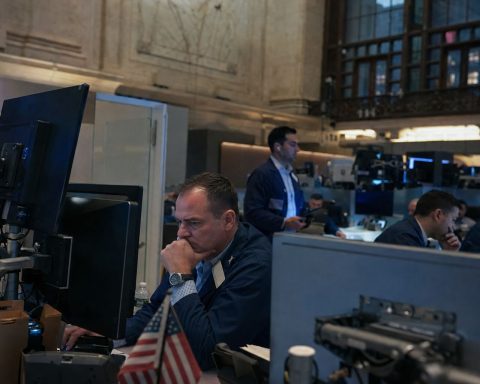
But the market’s near-term path hinges on politics rather than geology: investors have not yet priced the strike into crude because markets were closed when it happened, and a rush into safe-haven assets is possible when trading resumes. Over time, traders will also weigh whether the intervention leads to a stable transition in Caracas and eventually more supply that could deepen the surplus backdrop.
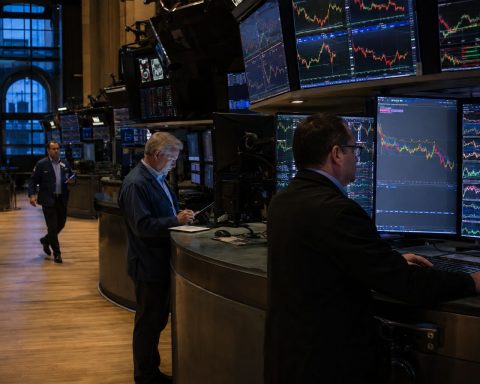
Traders will get the first clear read when WTI futures reopen on CME Globex at 5 p.m. CT (6 p.m. ET) on Sunday, with early volumes and Venezuela shipping updates in focus.
Related articles: Energy Markets