
HOUSTON, May 15, 2026, 14:02 CDT
- Brent crude hovered close to $109 a barrel with U.S.-Iran talks still at a stalemate.
- Stocks and bonds dropped as investors factored in an extended energy shock.
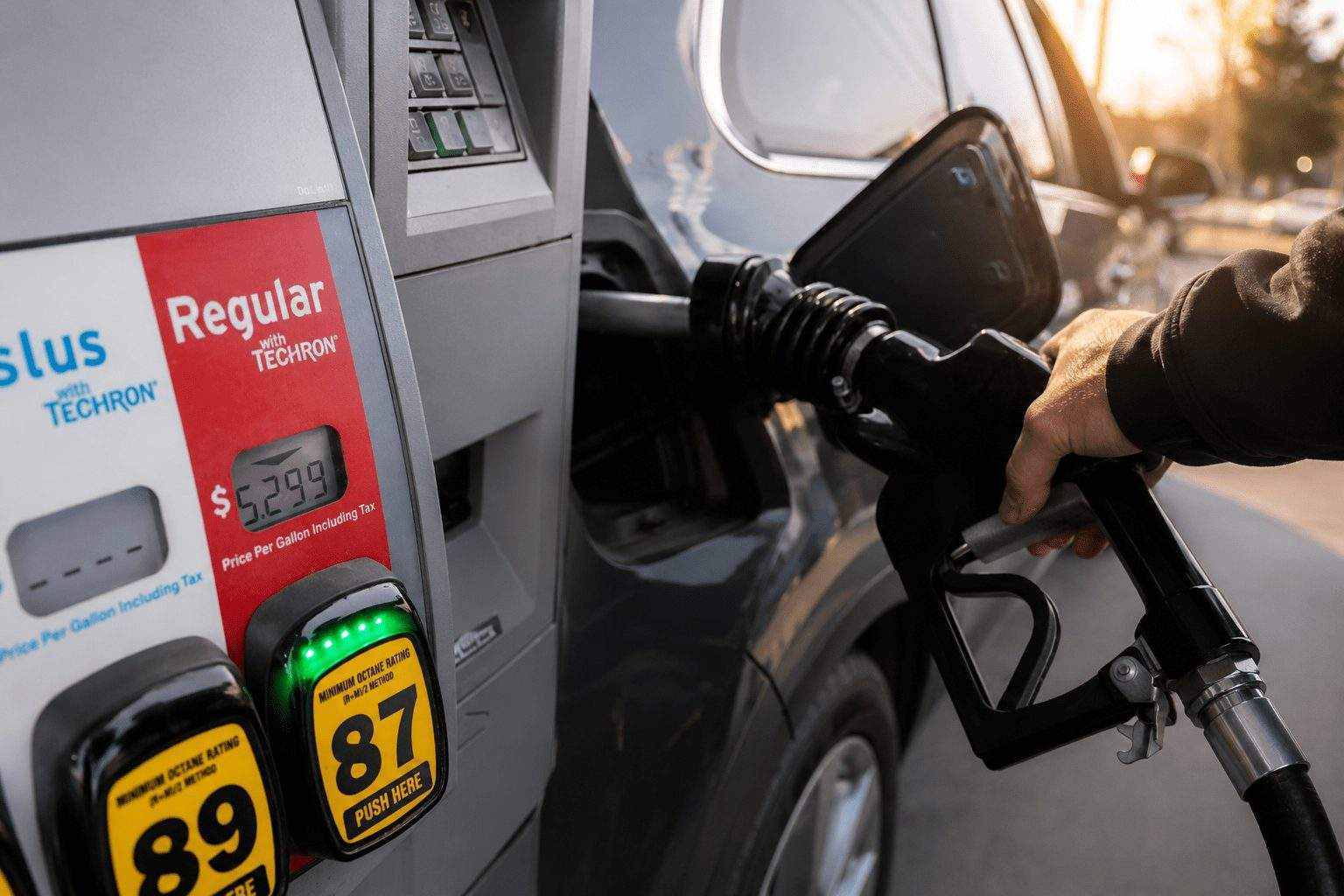
- U.S. gasoline now averages more than $4.50 a gallon, piling more pressure on the White House.
Oil soared over 3% Friday after President Donald Trump warned his patience with Iran was nearly gone, pushing traders back into supply risk mode. Investors eyed the Strait of Hormuz, still mostly closed, with about a fifth of global oil and LNG trade passing through the waterway. Brent hit $109.07. U.S. WTI finished at $105.02.
The latest shift is getting attention since the market had priced in at least some movement after Trump met with Chinese President Xi Jinping in Beijing. But traders are looking at less chance of an agreement, new risks for tanker traffic, and a new inflation bump as U.S. gasoline prices are already a headache for politicians.
Brent is up over 7% this week, WTI more than 10%, as hopes for a speedy strait reopening faded and tensions between the U.S. and Iran got “significantly more confrontational,” according to Commerzbank analysts. The ceasefire still held, but worries remained, Reuters said. Reuters
Trump told Fox News he’s “not going to be much more patient” with Iran and said “should make a deal.” He added the U.S. and China agreed Iran shouldn’t get a nuclear weapon and that the strait should reopen. Beijing hasn’t signaled publicly it would push Tehran. Reuters
Iran’s foreign minister Abbas Araqchi said Tehran has “no trust” in the U.S. and would only negotiate if Washington shows it is serious. Araqchi said Iran is open to talks but also prepared to keep fighting. Ships not connected to states attacking Iran can use the strait if they work with Tehran, he added. Reuters
Energy’s jump hit both stocks and bonds. Yields on longer-term U.S. Treasuries climbed, reaching levels not seen in about a year. The 10-year yield was at 4.568% while the 30-year touched 5.112%. Traders are concerned that higher oil could push inflation up, keeping the Fed on hold.
Stocks pulled back from record highs in early afternoon trading. The S&P 500 dropped 0.8%. The Dow lost 390 points. The Nasdaq slipped 0.9%, according to AP. Nvidia slid 2.9%, so AI names were caught up in the selling rather than holding up.
Oil traders are watching the deadlock and the blockaded Strait of Hormuz again, with a risk of new military escalation, according to Vandana Hari at Vanda Insights. Saxo Bank’s Ole Hansen said crude prices got a push as the Trump-Xi meeting failed to bring progress on reopening, and strikes against Russian refineries from Ukraine raised supply fears.
Traffic through the strait looked limited. Iran’s Revolutionary Guards said 30 vessels made the crossing between Wednesday evening and Thursday. Kpler, a shipping analytics firm, put the number at 10 ships in the prior 24 hours, up from five to seven each day in recent weeks. PVM analyst Tamas Varga said the uptick was supporting sentiment more than shifting the oil balance.
White House officials are searching for ways to offset soaring gas prices. Reuters said Thursday that Trump supported pausing the federal gas tax, which is 18 cents per gallon. Regular fuel is over $4.50 on average across the country, and prices are up 50% since the war began.
The risk is another swing in the squeeze—either it lets up soon or pushes harder. Safer tanker traffic could take out some of the fear baked into crude, but the U.S. Energy Information Administration is now working off the idea that the strait stays basically closed until the end of May. If that closure holds into June, the agency thinks oil prices could run about $20 a barrel above where they forecast for the near term.
Gulf producers are looking for ways around the chokepoint. The United Arab Emirates plans to accelerate work on a pipeline to double export capacity via Fujairah by 2027, and Saudi Aramco has been moving some Saudi exports through its East-West pipeline, avoiding the strait.
Phil Flynn, senior analyst at Price Futures Group, said in a note, “The world has consumed its oil safety net at a historic rate.” He said if the closure drags on, physical markets could tighten, refined fuel could be in short supply, and prices may face more upward pressure in the weeks and months ahead. Reuters
Related articles: Stock Market