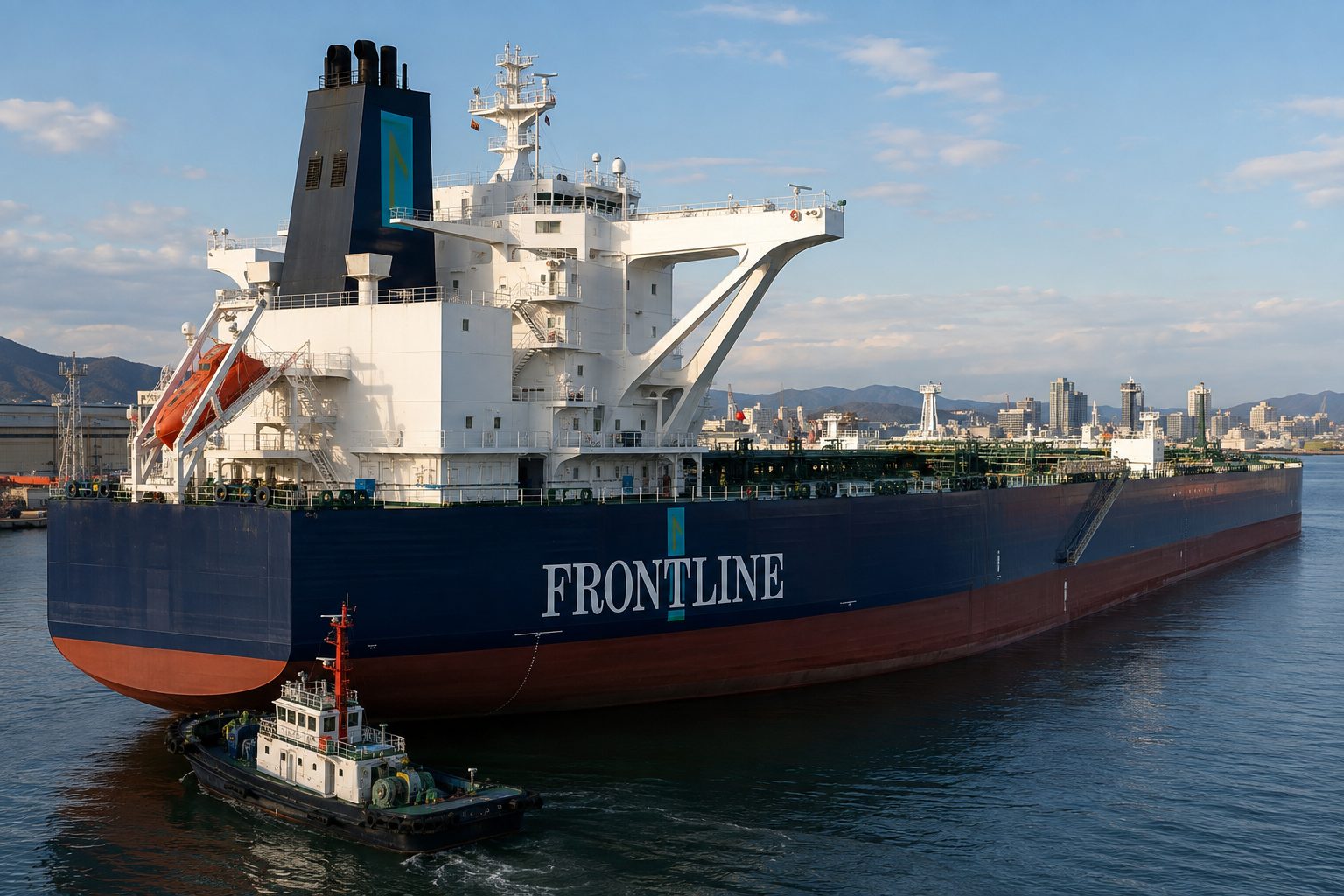

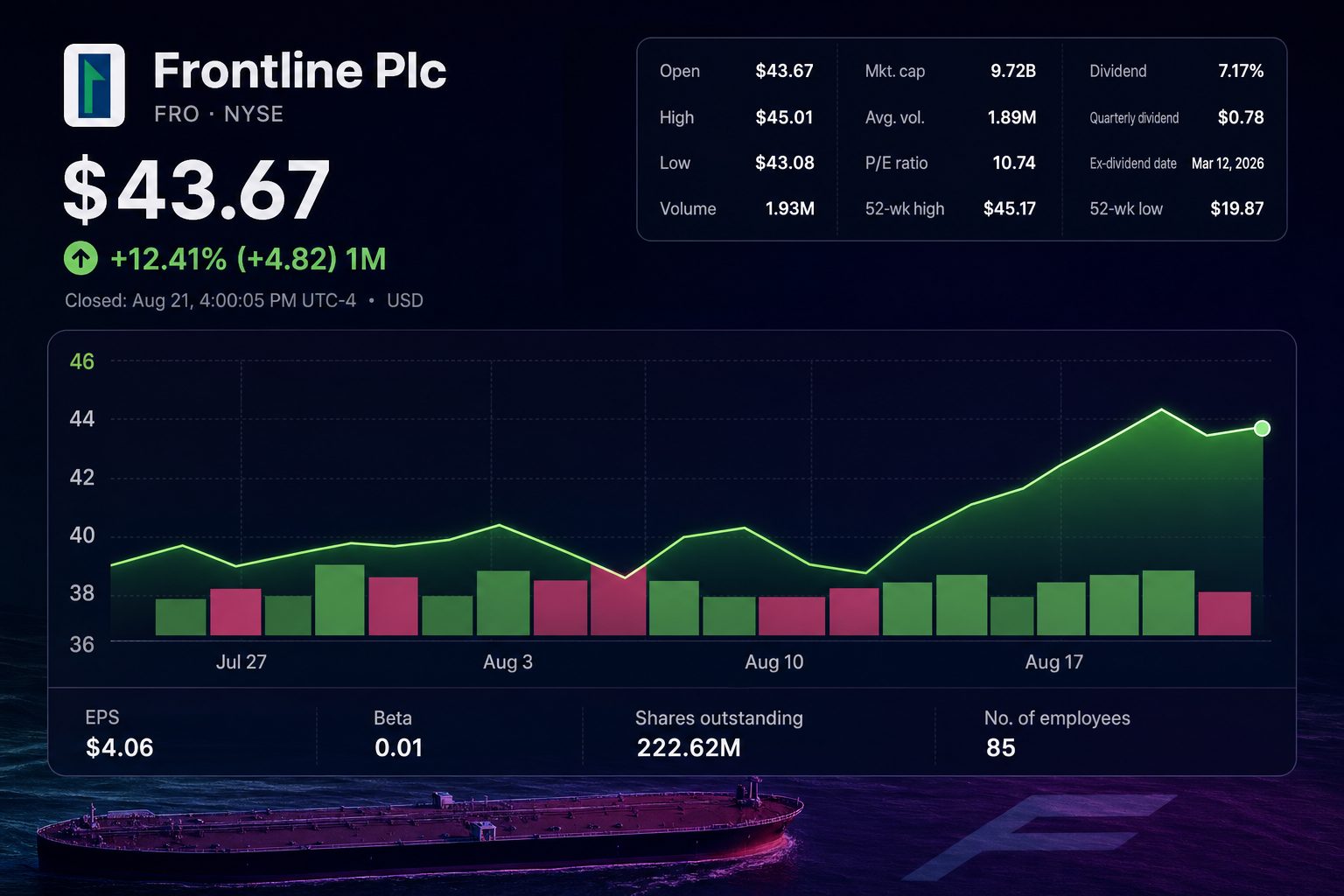
LIMASSOL, August 24, 2026, 00:45 EEST Frontline shares edged close to a 14-year high after oil prices jumped 6% over the week.
- Last week, Brent rose 6.39%, closing Friday at $94.39 per barrel.
- Frontline gained 5.97%, surpassing Exxon and Chevron as tanker availability shrank.
- The tanker stock is trading 3.3% under its 52-week peak ahead of results due August 31.
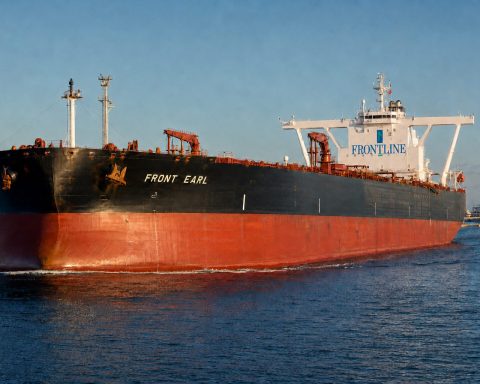
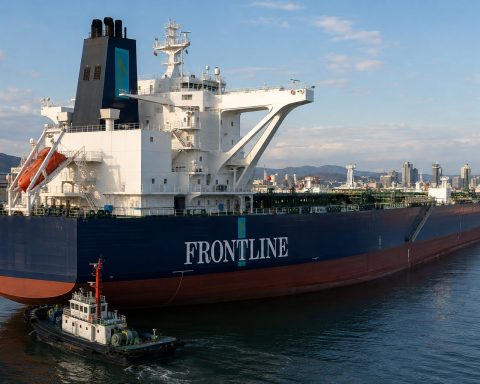
The recent uptick in oil prices provided a stronger boost to tanker operator Frontline plc NYSE:FRO than to major integrated oil producers. Brent climbed 6.39% over the past week amid ongoing shipping constraints in the Strait of Hormuz. Shares of Frontline advanced 5.97%.
The difference is significant. Exxon Mobil Corporation NYSE:XOM rose just 3.13%, while Chevron Corporation NYSE:CVX advanced 2.64%. Frontline provides investors with more direct exposure to limited tanker supply and changes in trade channels.
The momentum trade no longer offers a bargain. Frontline ended Friday at $43.67, marking its highest level since 2012 and standing just 3.3% under its 52-week high. The average price target among four analysts surveyed by StockAnalysis is $44.25, implying a potential upside of 1.3%.
Reaction in crude and equities
| Asset | Friday close | Weekly move | Investor read-through |
|---|---|---|---|
| Brent crude | $94.39/bbl | +6.39% | Risk premium on supply increased |
| WTI crude | $87.06/bbl | +5.66% | U.S. oil tracked Brent higher |
| Frontline NYSE:FRO | $43.67 | +5.97% | Tighter tanker market heightened risk |
| Exxon Mobil NYSE:XOM | $165.11 | +3.13% | Integrated model muted overall gain |
| Chevron NYSE:CVX | $205.27 | +2.64% | Integrated model muted overall gain |
The Strait typically sees transit volumes amounting to around 20% of daily world oil consumption. On Thursday, only seven commodity vessels moved through, down from fourteen the day before. “Confidence in safe passage remains low,” said KCM Trade analyst Tim Waterer. Reuters report carried by The Daily Star
Several Iraqi tankers received special transit clearances from Iran during the weekend, Reuters said. Despite these exceptions, overall tanker movements stayed significantly beneath prewar volumes. The selective permissions enable some cargoes to proceed, but regular shipping economics remain disrupted.
The numbers behind the bottleneck
| Indicator | Latest reading | Comparison |
|---|---|---|
| Commodity ships passing through Hormuz | 7 on Thursday | 14 on Wednesday |
| Iraq crude production before conflict | About 4.0 million bpd | Exports currently require special route |
| Saudi crude shipments | 3.993 million bpd in June | 3.434 million bpd in May |
| Bahri stock price | 37.30 riyals | +9.5% Sunday; highest close in 20 years |
Regional stocks are already showing the effects of that scarcity. Shares in National Shipping Company of Saudi Arabia (TADAWUL:4030), commonly referred to as Bahri, surged 9.5% on Sunday, closing at their highest level in twenty years.
Frontline approaches this disturbance on solid financial ground. Adjusted earnings for the first quarter totaled $344.9 million, or $1.55 per share. The firm also declared a quarterly dividend of $1.55, in line with its earnings.
Frontline’s core operating performance
| Q1 2026 metric | Reported value |
|---|---|
| Revenue | $714.2 million |
| Net profit | $559.1 million |
| Adjusted net profit | $344.9 million |
| Adjusted EPS / dividend | $1.55 / $1.55 |
| VLCC TCE | $103,500 per day |
| Suezmax TCE | $72,400 per day |
| LR2/Aframax TCE | $50,700 per day |
The next test comes soon, as Frontline is set to announce its second-quarter results on August 31. Investors’ attention will be on daily rates booked, vessel availability, and management’s perspective on route duration.
Analyst outlooks
| Date | Firm / analyst | Rating | Target |
|---|---|---|---|
| Aug. 21 | Danske Bank / Bendik Nyttingnes | Sell | $39 |
| July 29 | BTIG / Gregory Lewis | Buy | $55 |
| July 22 | Evercore ISI / Jonathan Chappell | Hold | $37 |
| May 25 | Pareto / Eirik Haavaldsen | Hold | $40 |
The broad $37-to-$55 price target spread highlights the underlying debate. Freight rates may soar quickly if vessels steer clear of dangerous areas, but they could also retreat before companies report quarterly profits and reflect these gains.
At the end of the year, Frontline’s fleet comprised 80 ships: 41 VLCCs, 21 Suezmaxes, and 18 LR2/Aframaxes. This scale provides operating leverage, but also means that earnings are heavily reliant on spot rates and the timing of voyages.
Saudi exports are helping to partly balance disrupted supply, with June shipments up 16.3% over May. Saudi Aramco has restarted loadings within Hormuz. Additional crude from the United States, the UAE and Venezuela could keep a lid on oil prices.
Risks: If Hormuz remains open for an extended period, tanker premiums could fall sharply. Conversely, additional attacks may interrupt shipping, push up insurance premiums and decrease vessel supply. Either scenario could amplify earnings volatility.
The coming week will depend largely on two factors: crude prices and shipping rates. Frontline’s performance has almost kept pace with oil’s weekly rise. Its August 31 update needs to demonstrate that cash returns, rather than just risk appetite, support the advance.